Guides
Plain reference pages for the trade and the people who buy from it, built from growers' published availability and the HortOS Plant Price Index.
Plant selection and horticulture
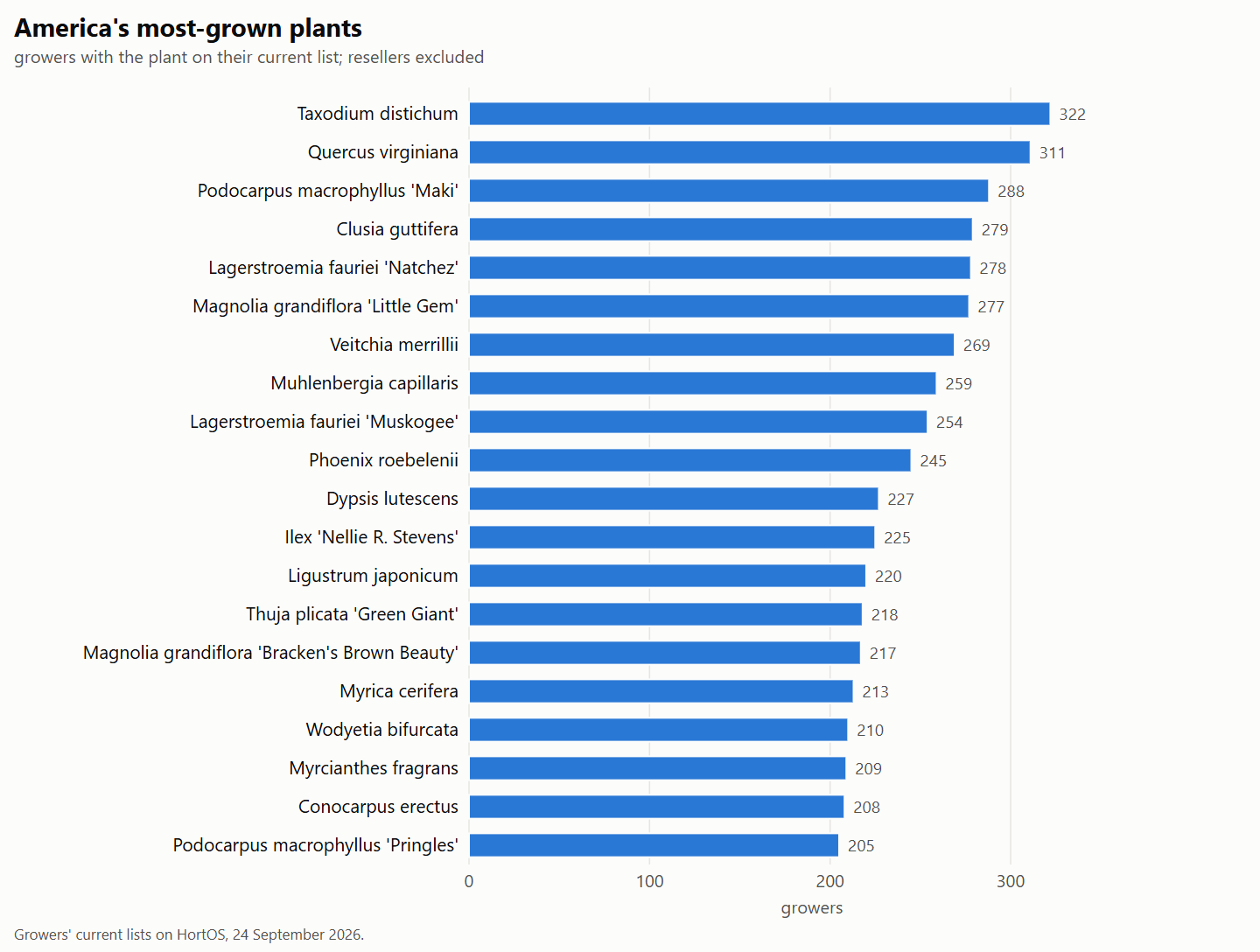
The Most Grown Native Plants in the United States, by State
A data page, not an essay: the American native plants held by the most wholesale growers, counted grower by grower and state by state from growers' current lists on HortOS, with the median trade price at the size most growers price. Two paragraphs on what the tables show and what they do not, then the tables, refreshed each edition.
Updated September 25, 2026. Counts and medians from the live us.hortosapp.com plant and price pages on 24 September 2026; refreshed with each United States edition of the HortOS Plant Price Index.
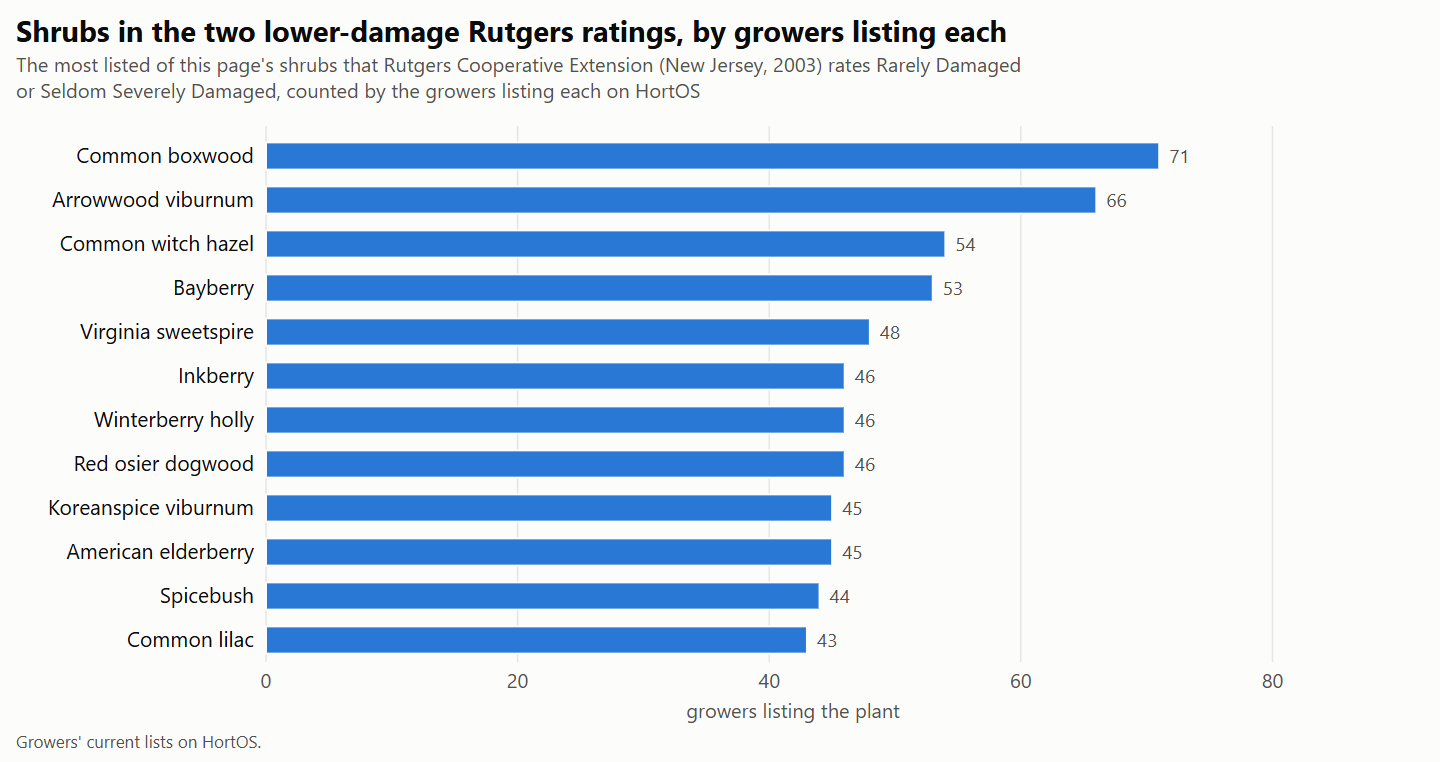
Deer Resistant Plants for the Northeast by Rating and Trade Price
Rutgers Cooperative Extension (New Jersey, 2003) rates landscape plants in four classes by how often deer damage them. This page sets those ratings beside how many growers list each plant and, where enough growers price a size, its median trade price. It shows where a Maryland list and a New York county list differ, and what a rating leaves out.
Updated October 10, 2026. Figures are what the live us.hortosapp.com price and plant pages printed.
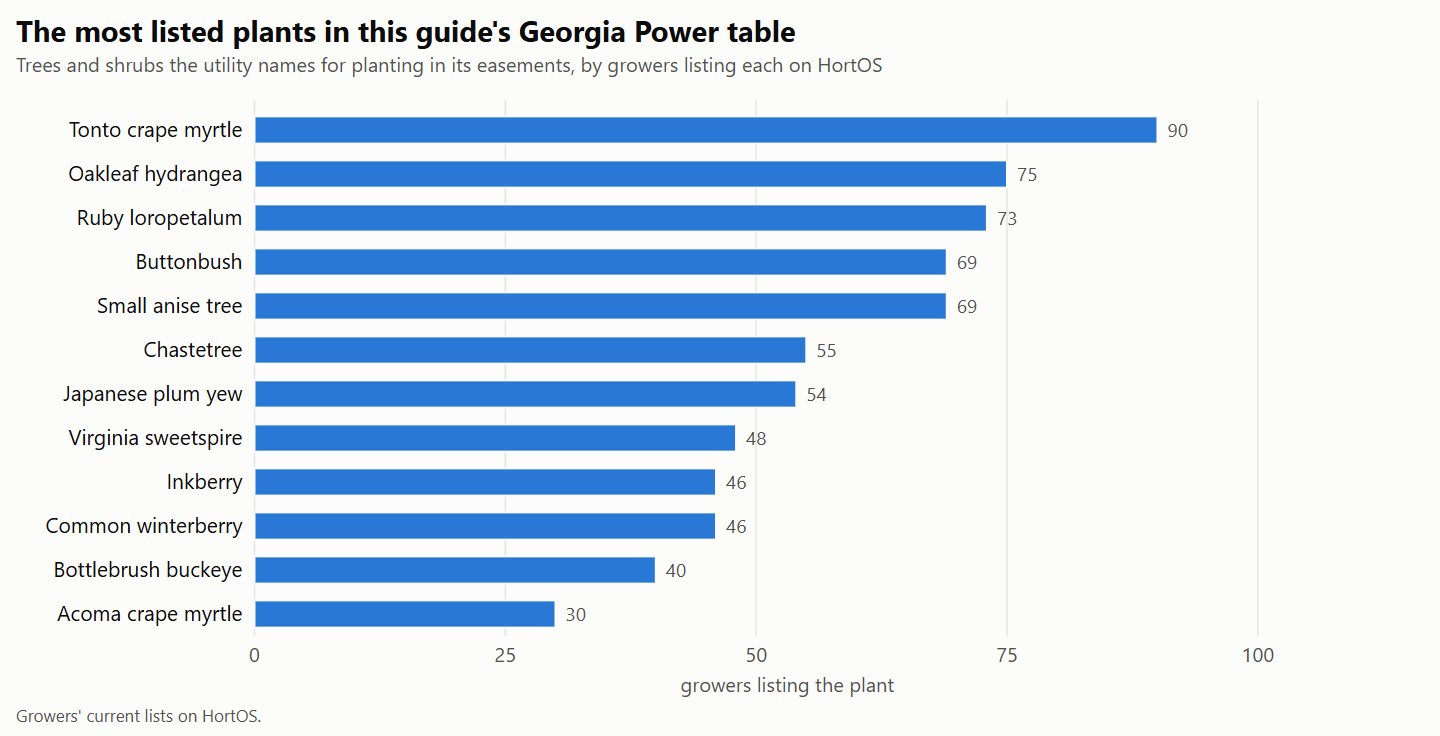
Planting near power lines: utility rules and the plants they name
What Georgia Power, Florida Power & Light, Dominion Energy, Santee Cooper and Eversource publish about planting near distribution and transmission lines, beside a Florida statute, a New Jersey rule as published in 2010, a California general order and a national reliability standard. Tables set the plants Georgia Power and Santee Cooper name beside grower counts and median trade prices.
Updated October 4, 2026. Figures are what the live us.hortosapp.com price and plant pages printed.
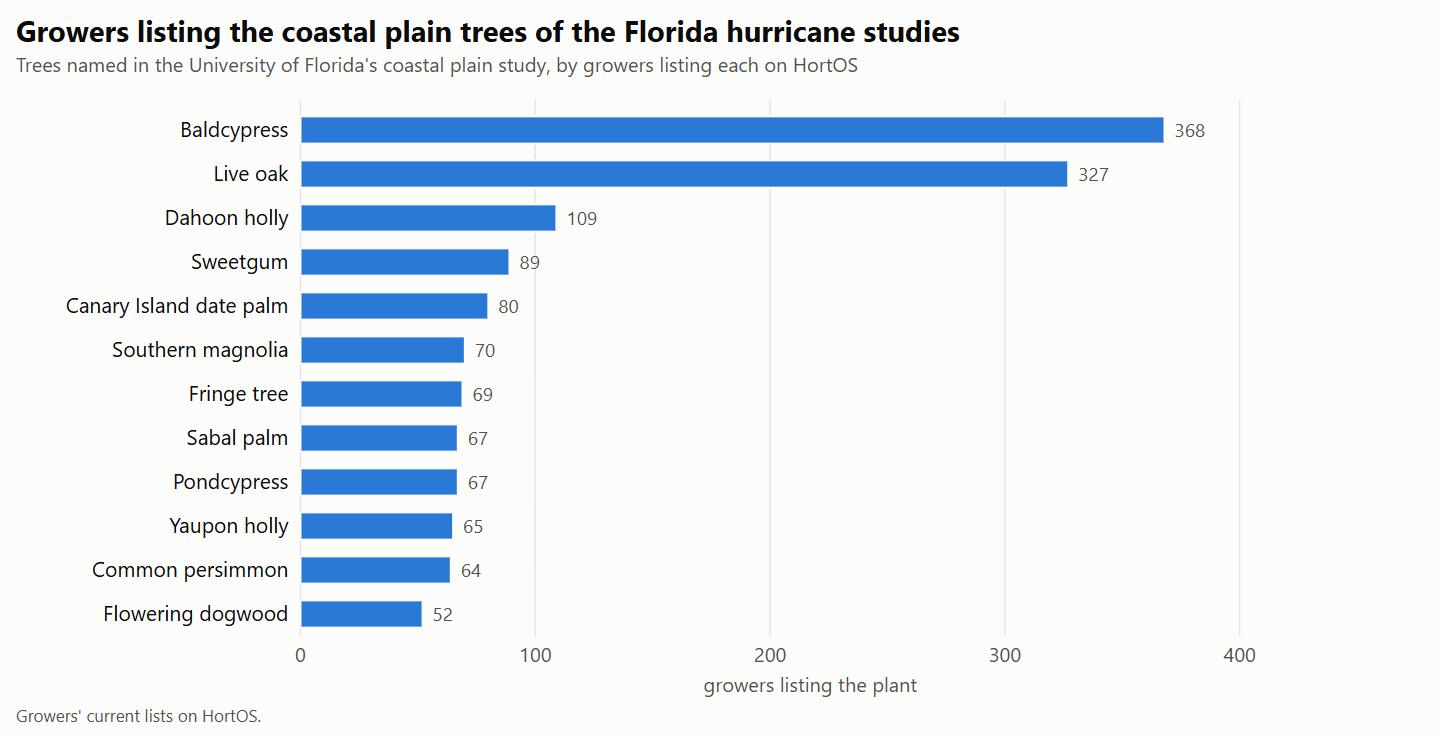
Hurricane wind resistance of trees and what they cost at trade
What the University of Florida's hurricane studies found for trees on the coastal plain and in south Florida, set beside the growers listing each tree on HortOS and the median trade price of a #15 container. The page describes the UF/IFAS wind resistance classes, links the full lists and says what neither the studies nor the figures show.
Updated October 19, 2026. Figures are what the live us.hortosapp.com price and plant pages printed.
Box tree moth quarantines and the boxwood alternatives growers list
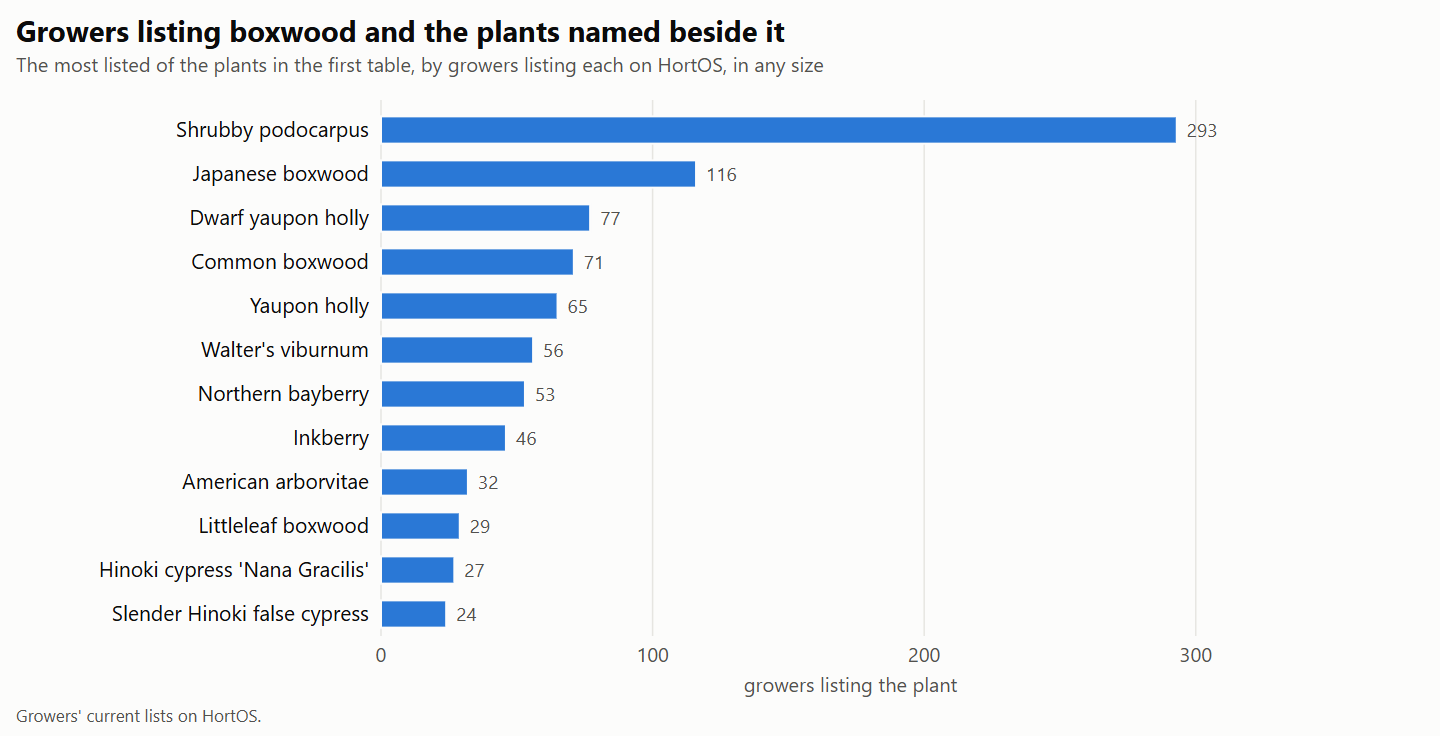
For landscape designers, extension volunteers and associations with boxwood hedges: what the federal and state box tree moth quarantines say about moving boxwood, as read on October 5, 2026, with a dated timeline of APHIS reports. Two tables show how many growers list boxwood and the plants named beside it, with trade medians where three growers price a size.
Updated October 18, 2026. Figures are what the live us.hortosapp.com price and plant pages printed.
Trees extension lists name in place of ash, and who lists them
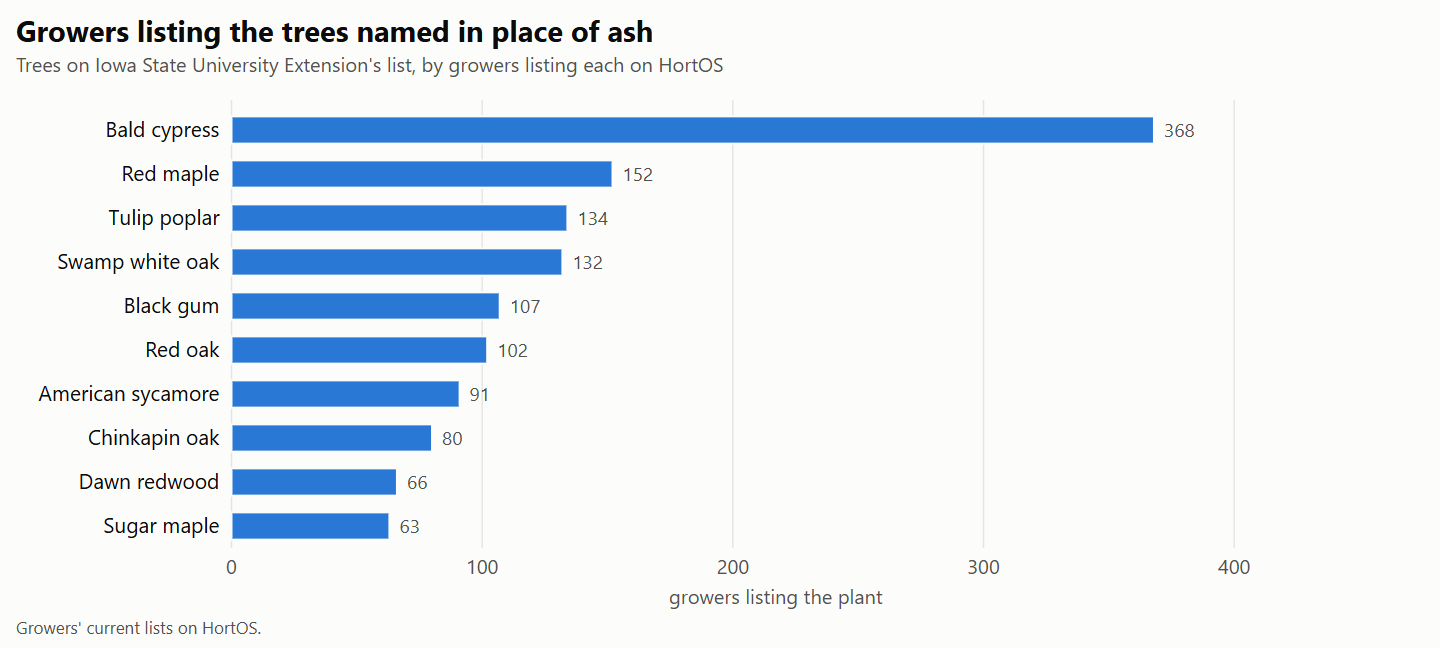
Sets Iowa State University Extension's list of trees to plant where ash has been lost beside the diversity limits Iowa, Wisconsin and others publish and the dated quarantine position. One table gives the growers listing each tree on HortOS and, for most rows, a national trade median for one container size.
Updated October 11, 2026. Figures are what the live us.hortosapp.com price and plant pages printed.
Road salt tolerant trees and shrubs for northern streets and driveways
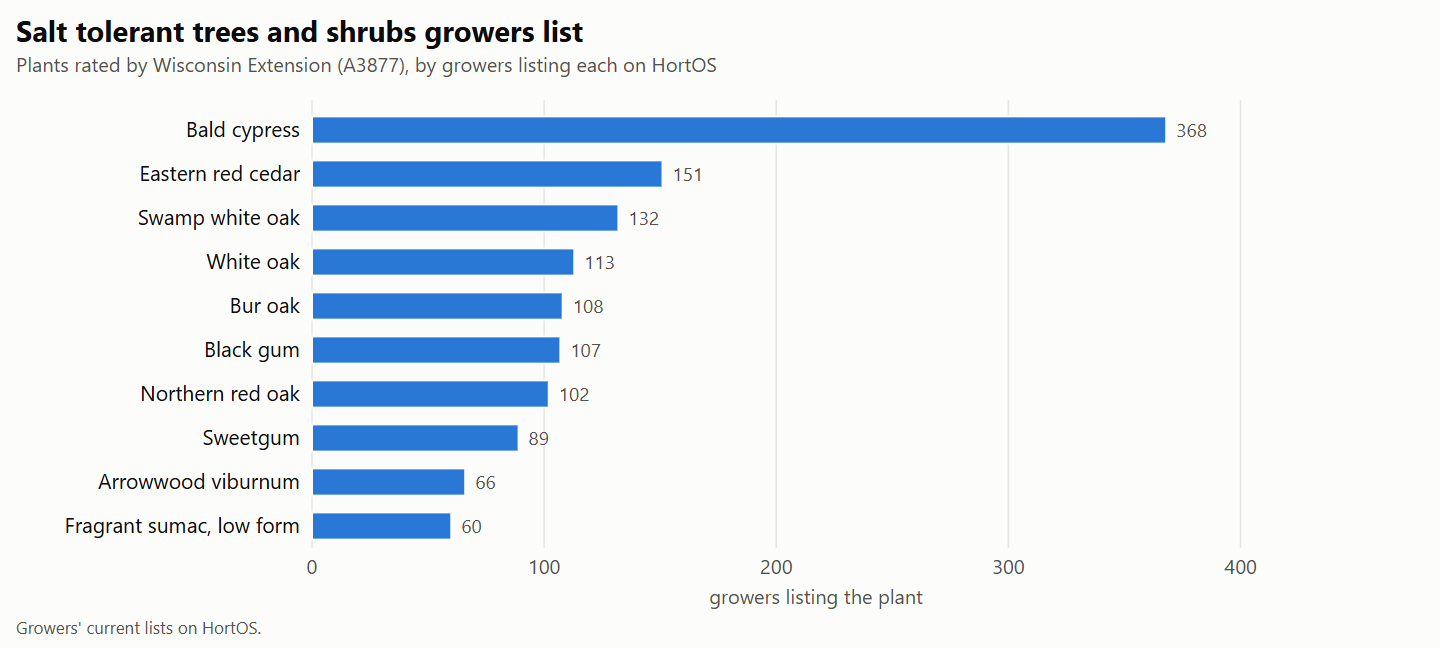
Road salt harms plants two ways, spray on buds and salt in the soil, and extension services rate the two apart. This guide sets Wisconsin Extension's spray ratings beside what growers list on HortOS, with trade medians where growers price a size, and draws on Penn State, Virginia, Purdue and Iowa State for placement.
Updated September 16, 2026. Figures are what the live us.hortosapp.com price and plant pages printed.
Bald Cypress: The Tree That Drinks the Flood
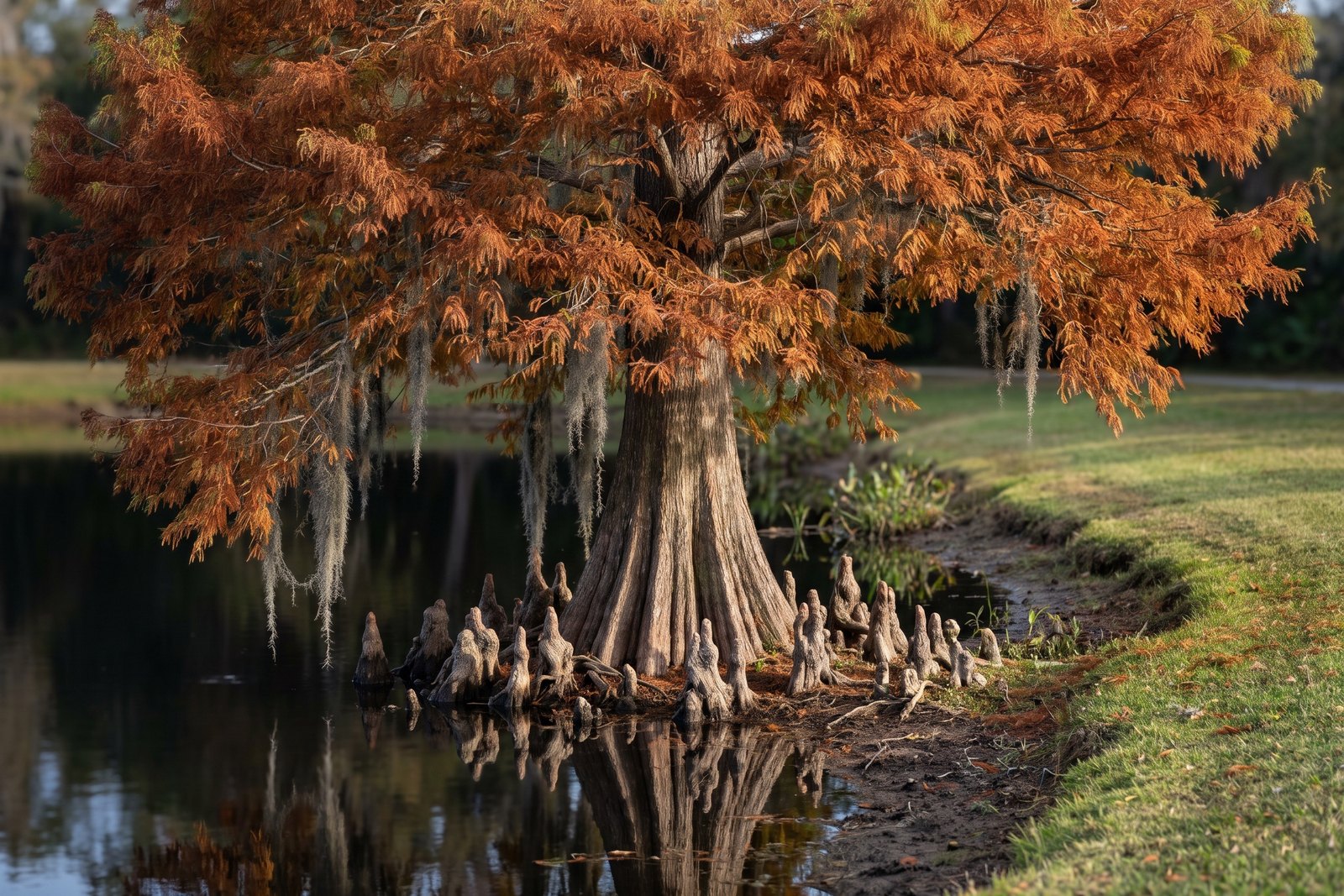
A guest piece by Chris of Living Root Garden in Florida on bald cypress, the deciduous conifer that wants the wettest corner of the yard: why it drops its needles, the puzzle of its knees, how to plant and grow it, what it gives wildlife, and the cultivars sized for smaller yards.
Updated November 7, 2026. A guest article by Chris of Living Root Garden, Florida, published 7 November 2026; the text is the author's own and this page quotes no HortOS figure.
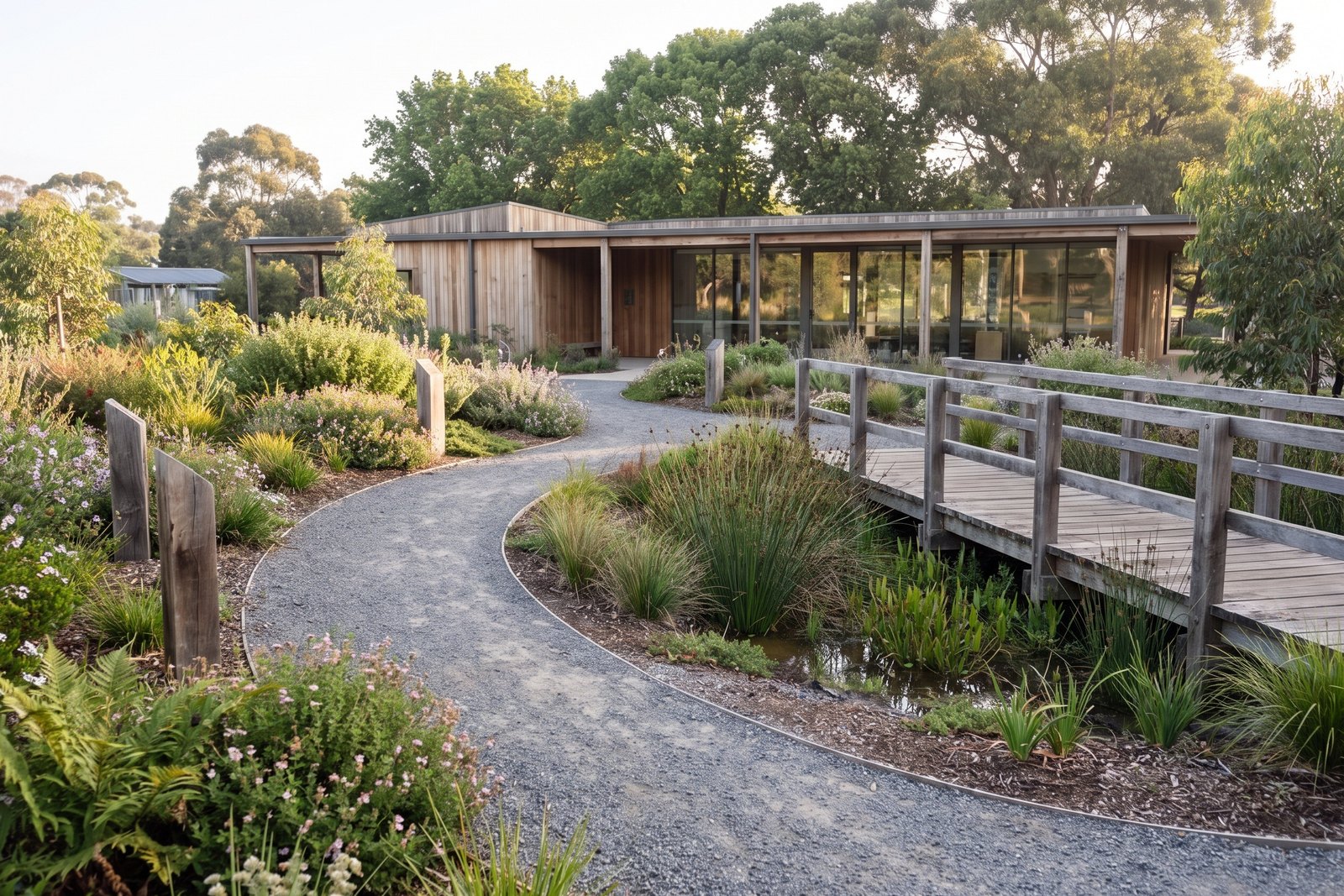
Choosing Plants for a Nature Center or Demonstration Garden
A demonstration garden should show plants visitors can find, buy and grow, at a standard of care a home can manage. This page covers choosing themes, choosing plants growers list in numbers, labels and interpretation, care at the visitor's scale, and the records that keep the garden useful.
Updated October 24, 2026. Plant counts and median trade prices from the live us.hortosapp.com plant and price pages on 25 October 2026; state grower counts from the hubs on 24 September 2026.
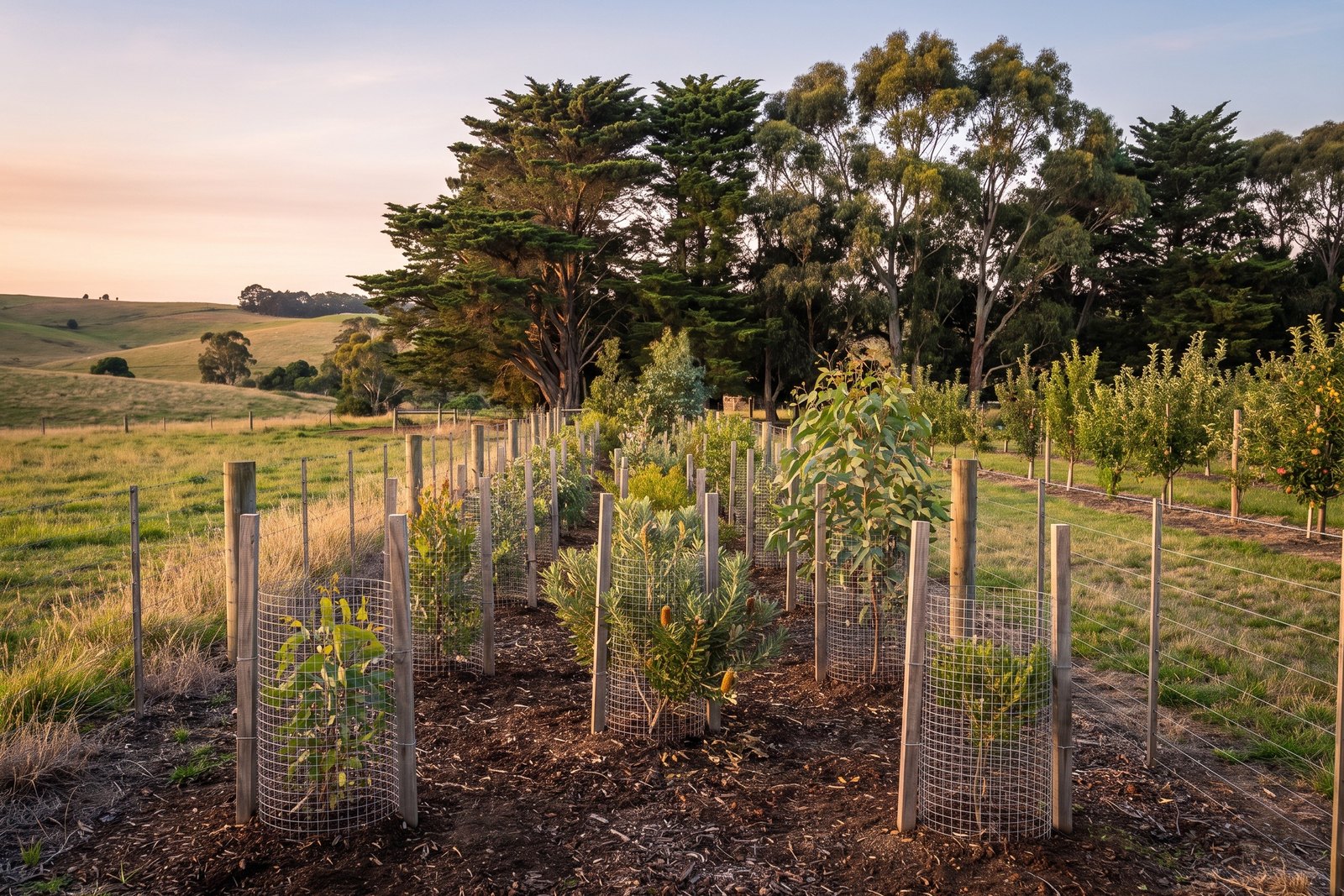
Hedgerows and Windbreaks for Small Farms
A windbreak or hedgerow protects in proportion to its height and length, and only works planted without gaps across the damaging wind. This page covers what belts do, the design rules agencies publish, species and layers, planting and protecting a belt, and where small farms find help.
Updated October 24, 2026. Plant counts and median trade prices from the live us.hortosapp.com plant and price pages on 25 October 2026; state grower counts from the hubs on 24 September 2026.
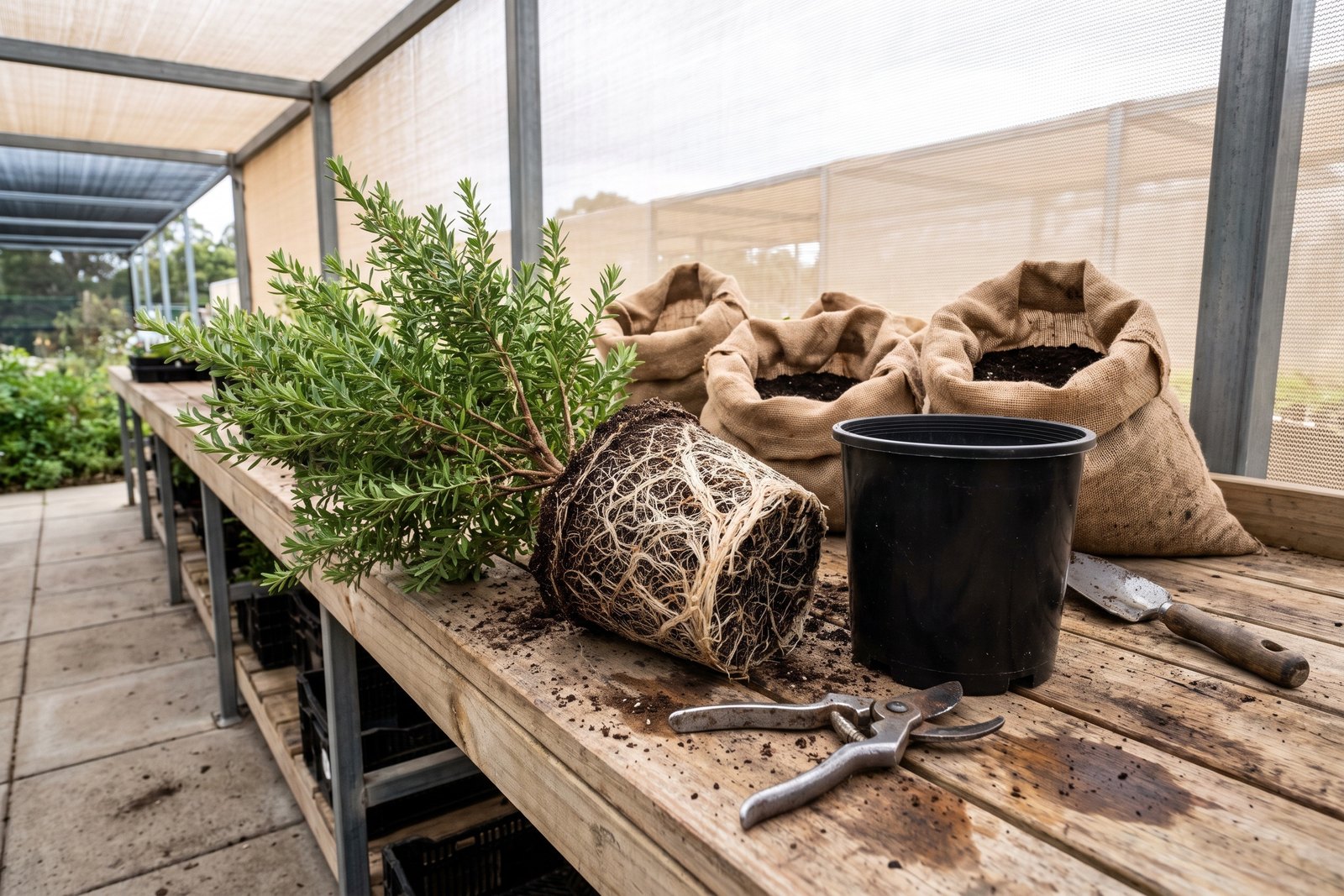
Nursery Plant Quality: Roots, Pests and Hardening Off
Quality in a nursery plant is mostly below the mix, in the roots, and a buyer who lifts one plant from each line sees what the price list cannot say. This page is the checklist: roots, stem and canopy, pests and diseases, hardening off, weeds and labels, the questions to send with the order, and the schemes that certify practice.
Updated October 24, 2026. Grower counts from the live us.hortosapp.com state hubs on 24 September 2026; median trade prices from the live price pages the same day, ahead of the first United States edition of the HortOS Plant Price Index.
Environment, wildlife and water
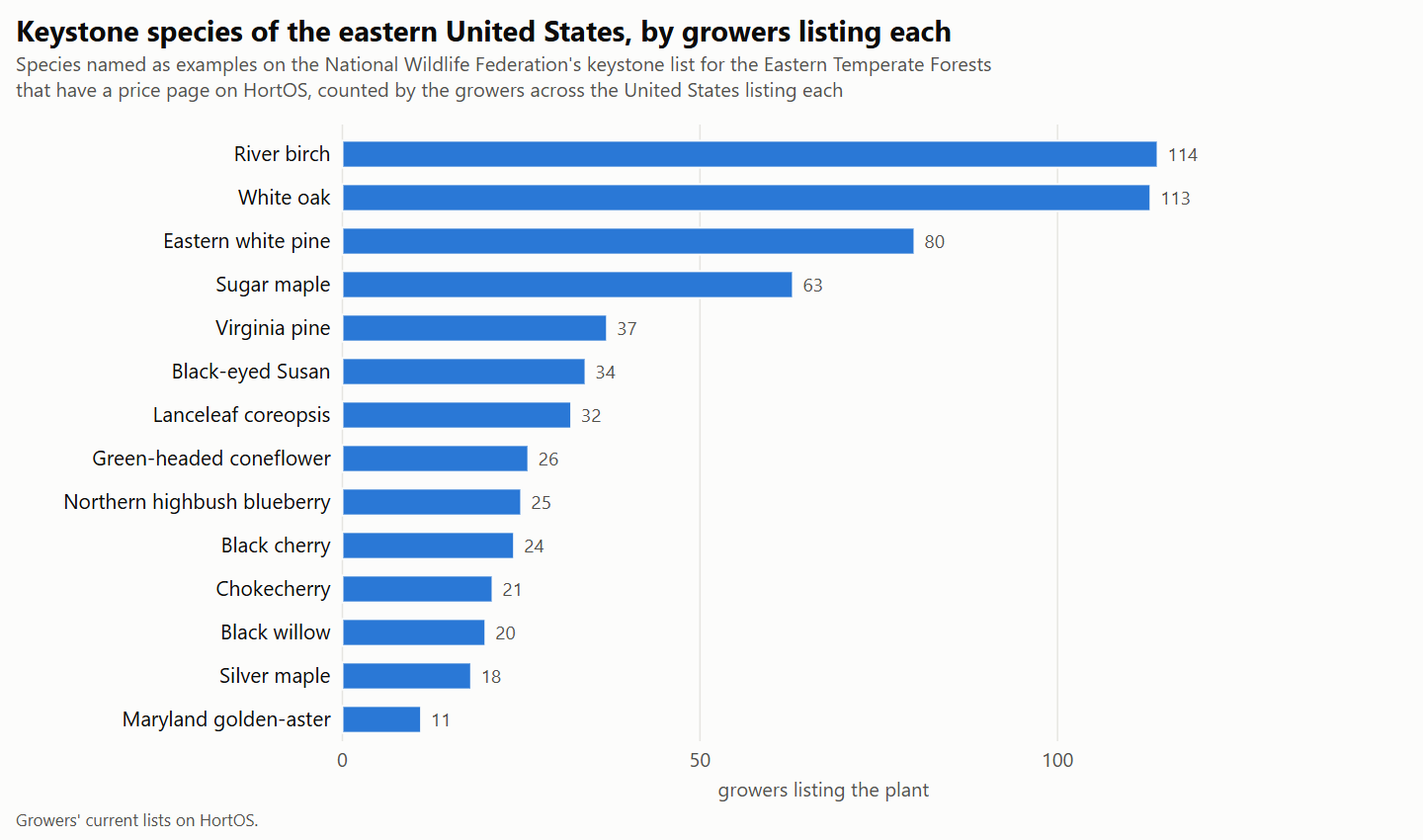
Keystone Plants of the Eastern United States by Growers Listing Each
The National Wildlife Federation's keystone list for the Eastern Temperate Forests is organized by genus and names sample species. This page sets out what the keystone figures count. It then shows how many growers list most of those species on HortOS, a median trade price where at least three price a size, and what a grower count cannot show.
Updated October 8, 2026. Figures are what the live us.hortosapp.com price and plant pages printed.
Florida dune restoration plants and what growers list
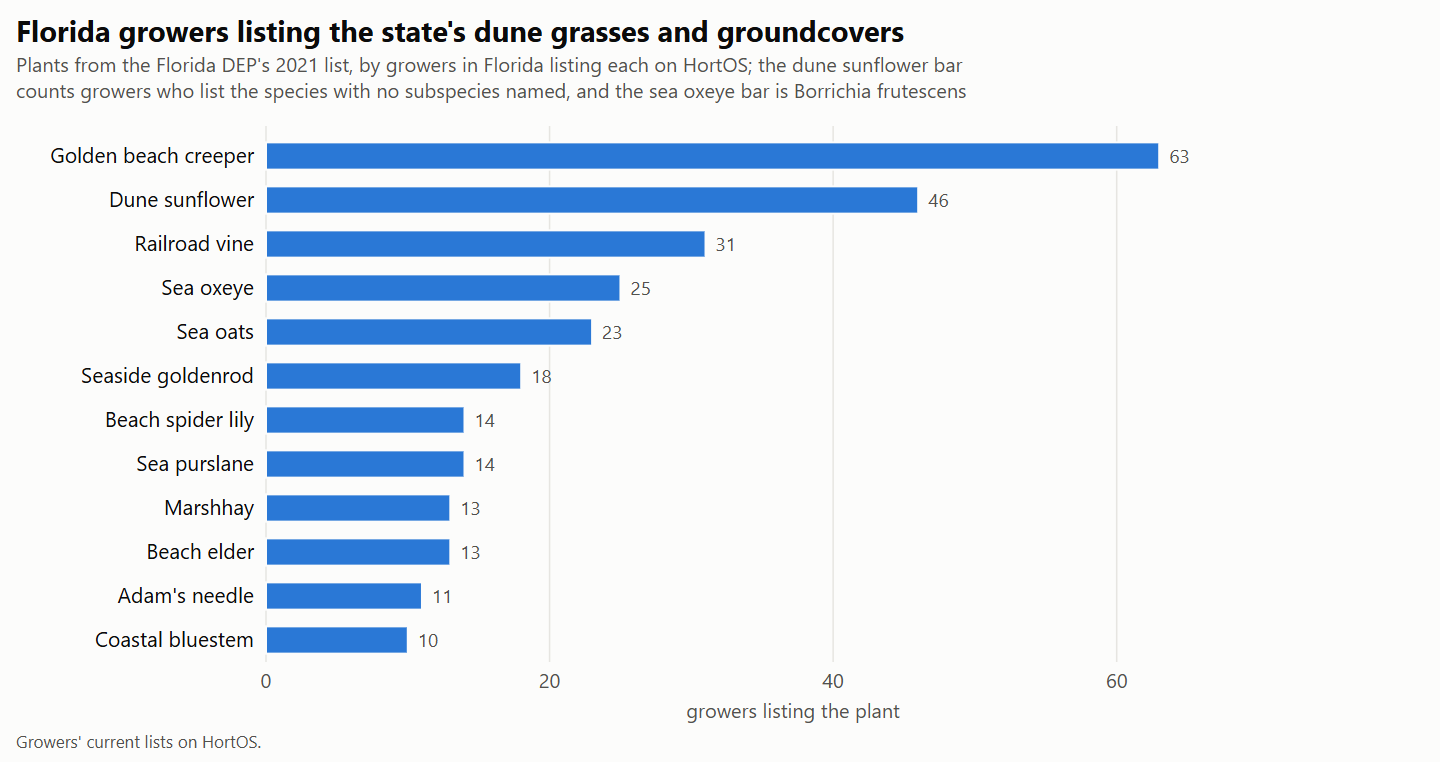
For Florida dune care groups, beach towns and beachfront boards: what section 161.242 of the Florida Statutes (2026) forbids and what it lets nurseries sell, who decides seaward of the control line, and two agencies' planting figures. Two tables set the state's dune plant list beside the Florida growers listing each plant and a trade median by container size.
Updated October 17, 2026. Figures are what the live us.hortosapp.com price and plant pages printed.
Native milkweeds for monarchs and the states where growers list them
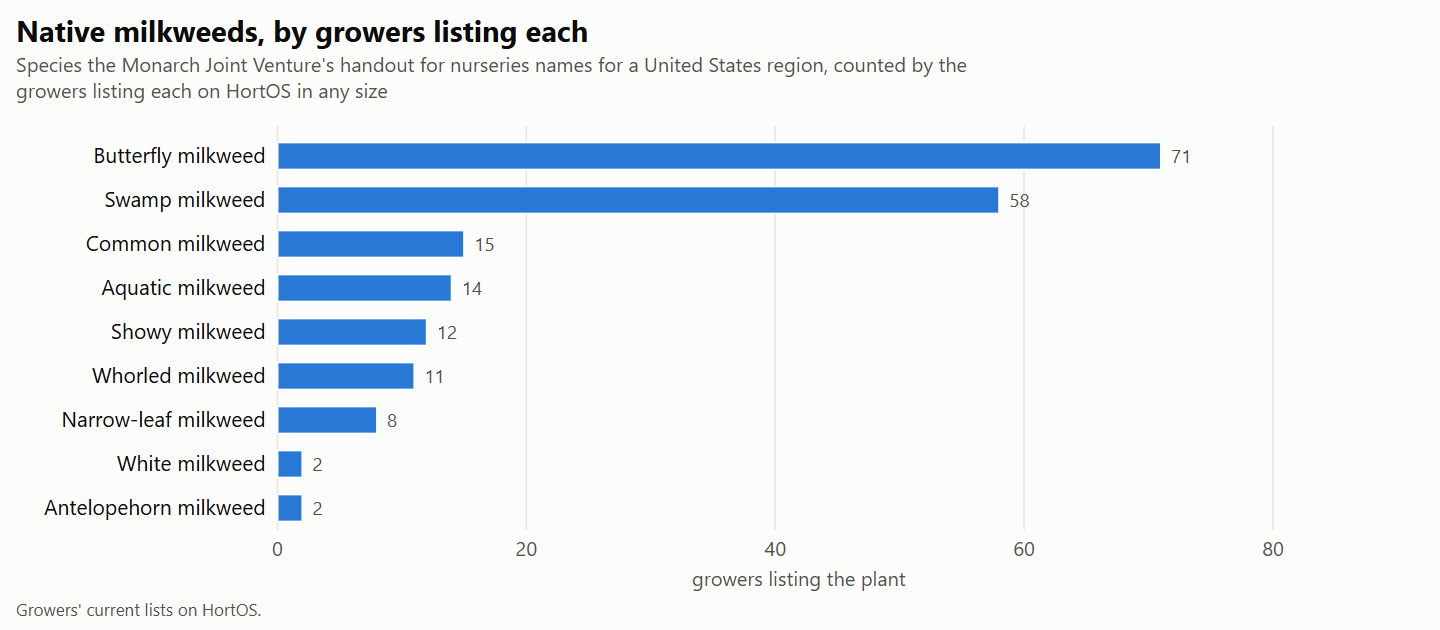
The Monarch Joint Venture's handout for nurseries sorts native milkweed species under six United States regions. This page sets the species that have a plant page on HortOS beside how many growers list each and the states those growers are based in, with the monarch's federal status as filed and what a grower count cannot show.
Updated October 21, 2026. Figures are what the live us.hortosapp.com price and plant pages printed.
Native Shrubs with Winter Berries for Birds and Their Trade Prices
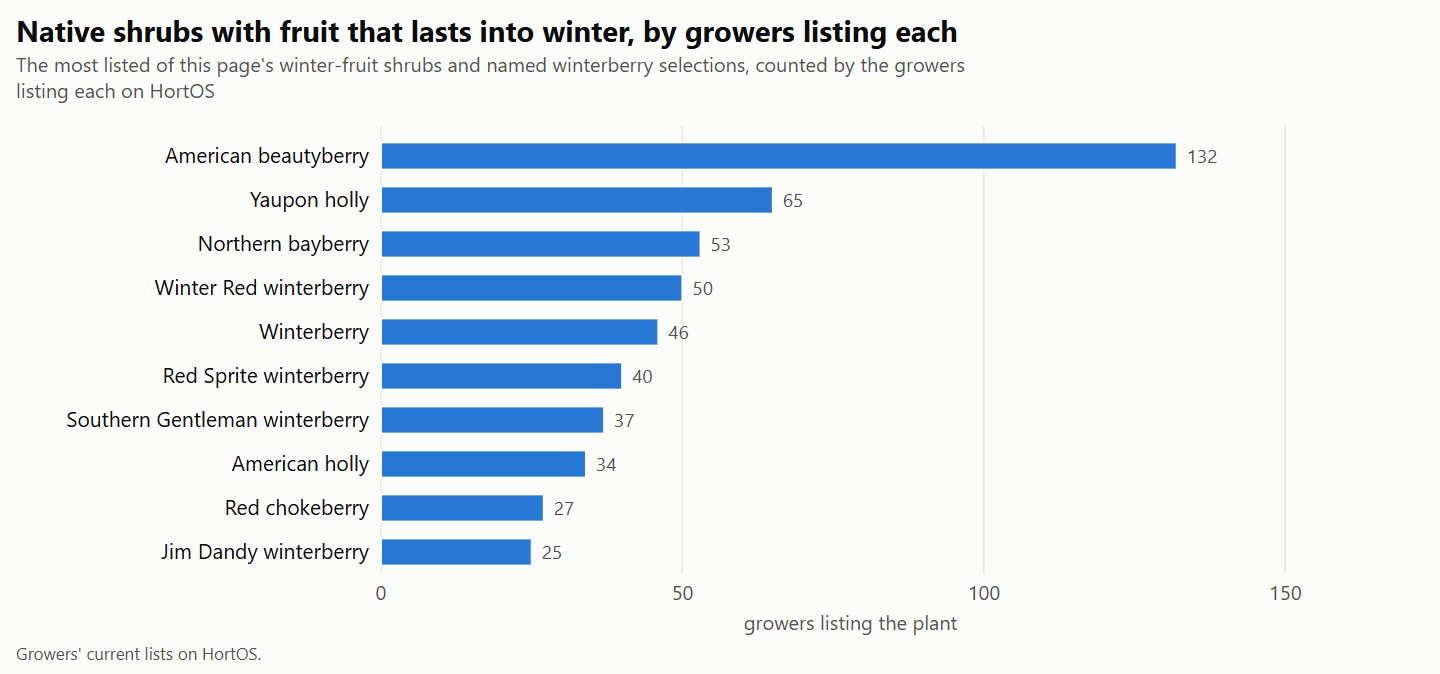
By what NC State Extension's plant pages say, this page sorts native shrubs into fruit that lasts into winter and fruit that finishes in fall, and reports which need a second plant to set fruit. It sets those statements beside how many growers list each shrub and a median trade price in a #3 container.
Updated October 9, 2026. Figures are what the live us.hortosapp.com price and plant pages printed.
Climate ready trees: Forest Service projections and who lists them
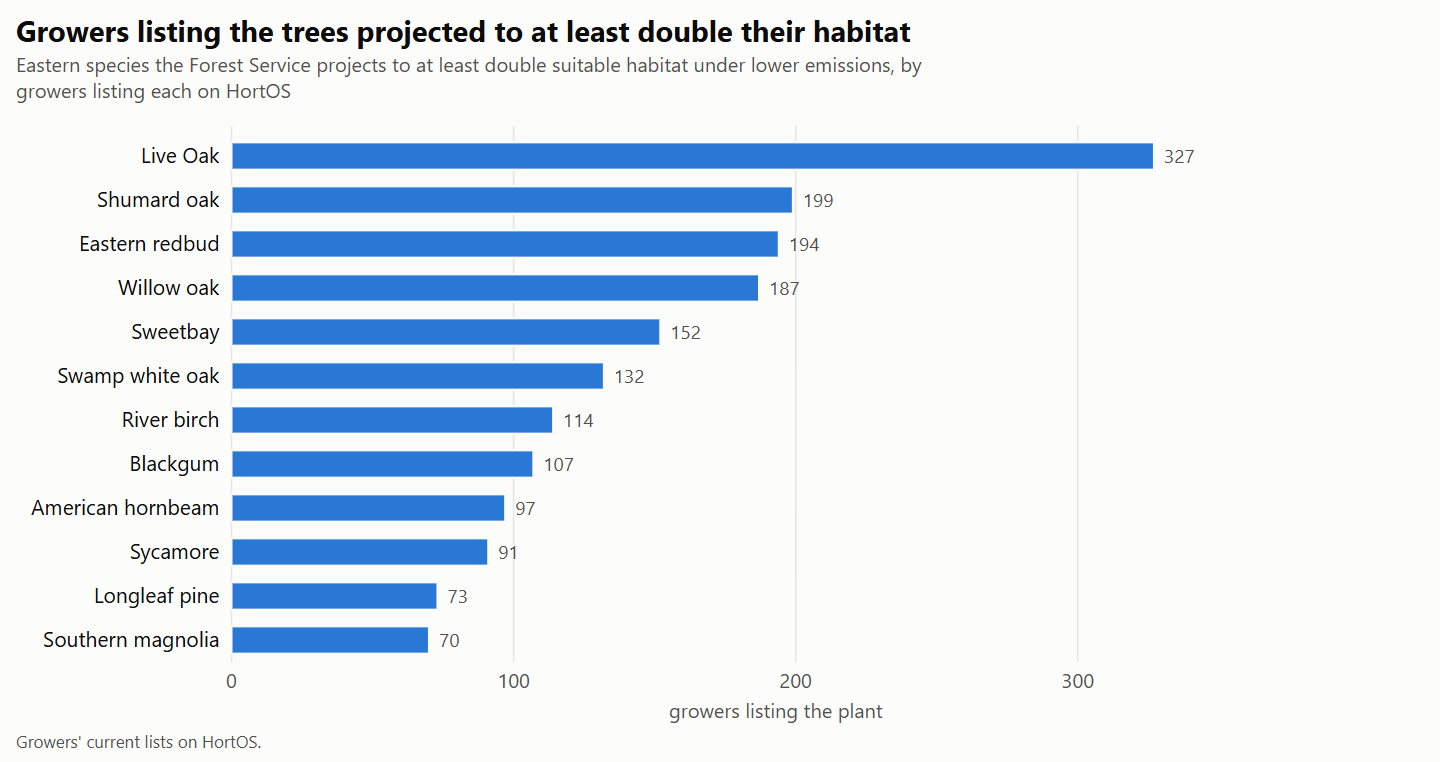
What the USDA Forest Service's modeling projects for eastern tree species in a warmer climate, set beside the growers listing each tree on HortOS and, for the species projected to at least double their habitat, a median trade price. With four regional ratings, projected hardiness zones for eight urban areas, and what the projections leave out.
Updated October 17, 2026. Figures are what the live us.hortosapp.com price and plant pages printed.
Bottomland hardwood reforestation in the South by flood tolerance
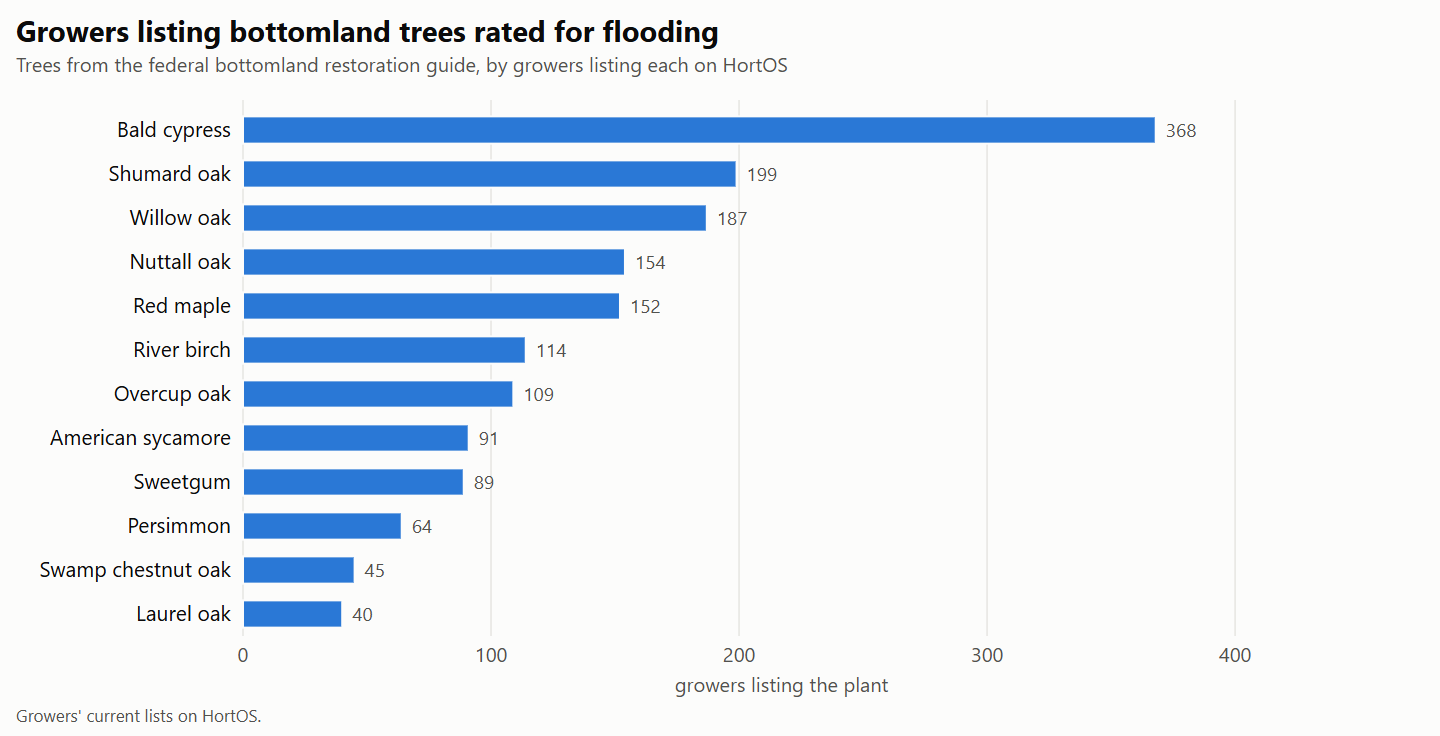
How the 2001 federal restoration guide and University of Arkansas extension rate bottomland oaks, bald cypress and other Southern floodplain trees for flooding, set beside the growers listing each tree on HortOS and trade medians for #3 and #15 containers. With a section on Louisiana swamp plantings and the federal reserve and easement rules.
Updated October 22, 2026. Figures are what the live us.hortosapp.com price and plant pages printed.
Mast trees for deer and turkey with grower counts and trade prices
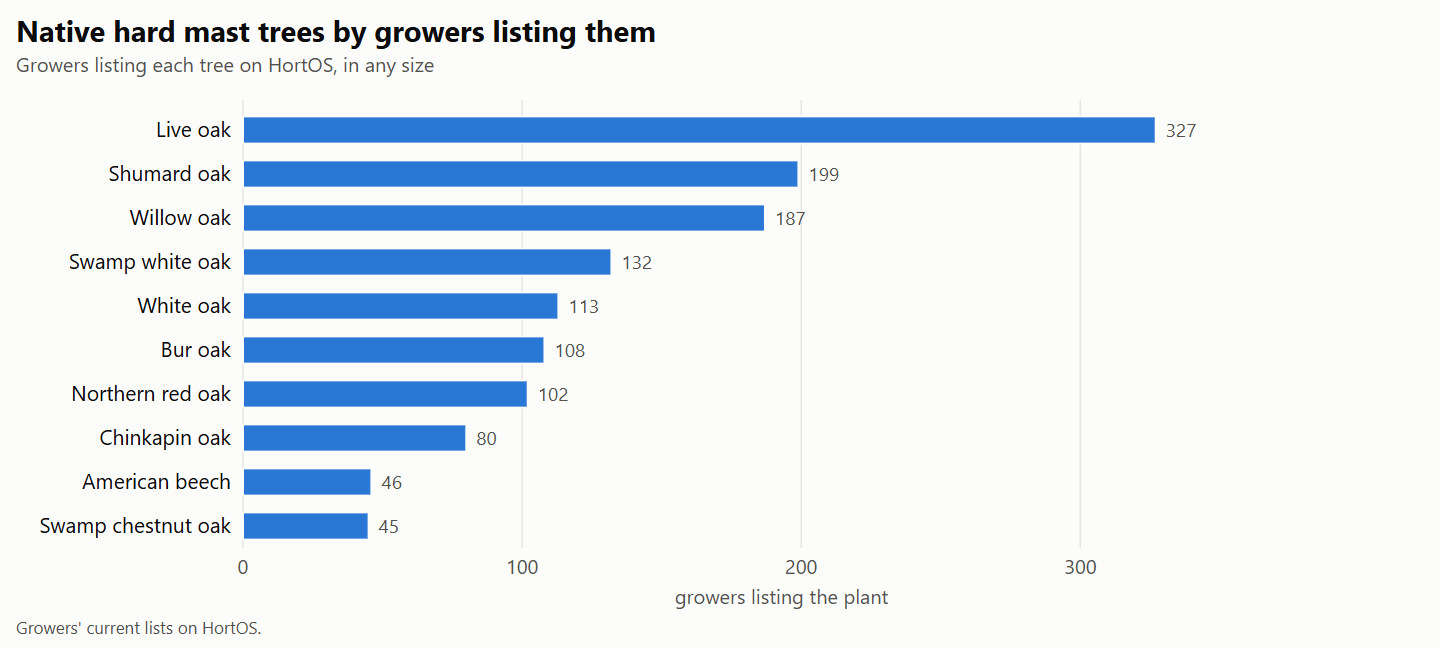
For conservation districts, land trusts and woodland owners planting food for deer and wild turkey. Native hard and soft mast trees are set beside the Forest Service's seed-bearing ages and crop intervals, the number of growers listing each tree and a median trade price at the container size most growers price.
Updated October 24, 2026. Figures are what the live us.hortosapp.com price and plant pages printed.
Native Plants for a Pollinator Patch or Monarch Waystation
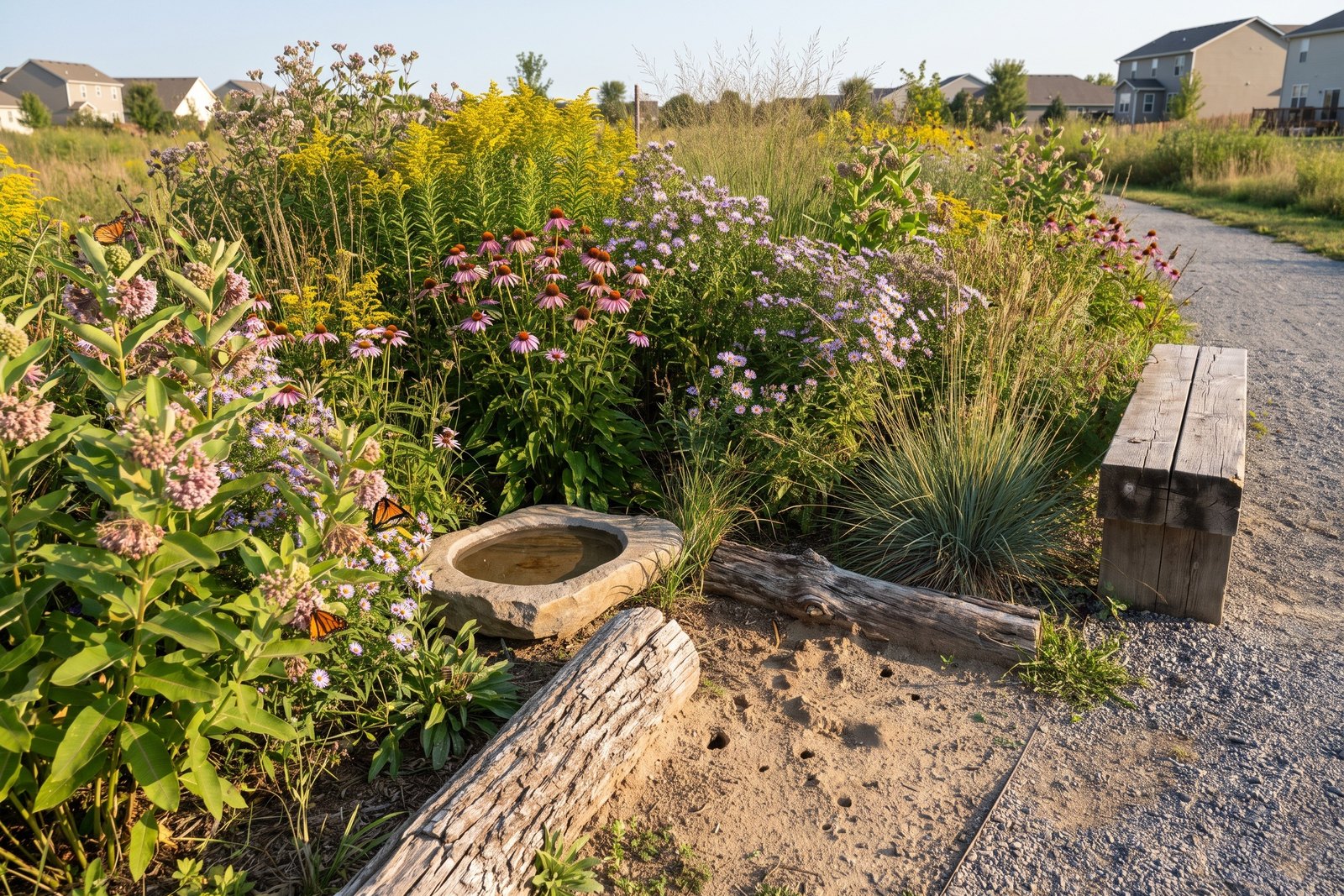
A small pollinator patch works when it does three jobs at once: flowers in sequence, host plants for caterpillars and places to nest, kept free of sprays. This page covers choosing the spot, plants by job, the milkweeds a monarch waystation needs, a flowering sequence and buying the plants.
Updated October 24, 2026. Plant counts and median trade prices from the live us.hortosapp.com plant and price pages on 25 October 2026; state grower counts from the hubs on 24 September 2026.
Planning a Pollinator Planting With Trade Suppliers
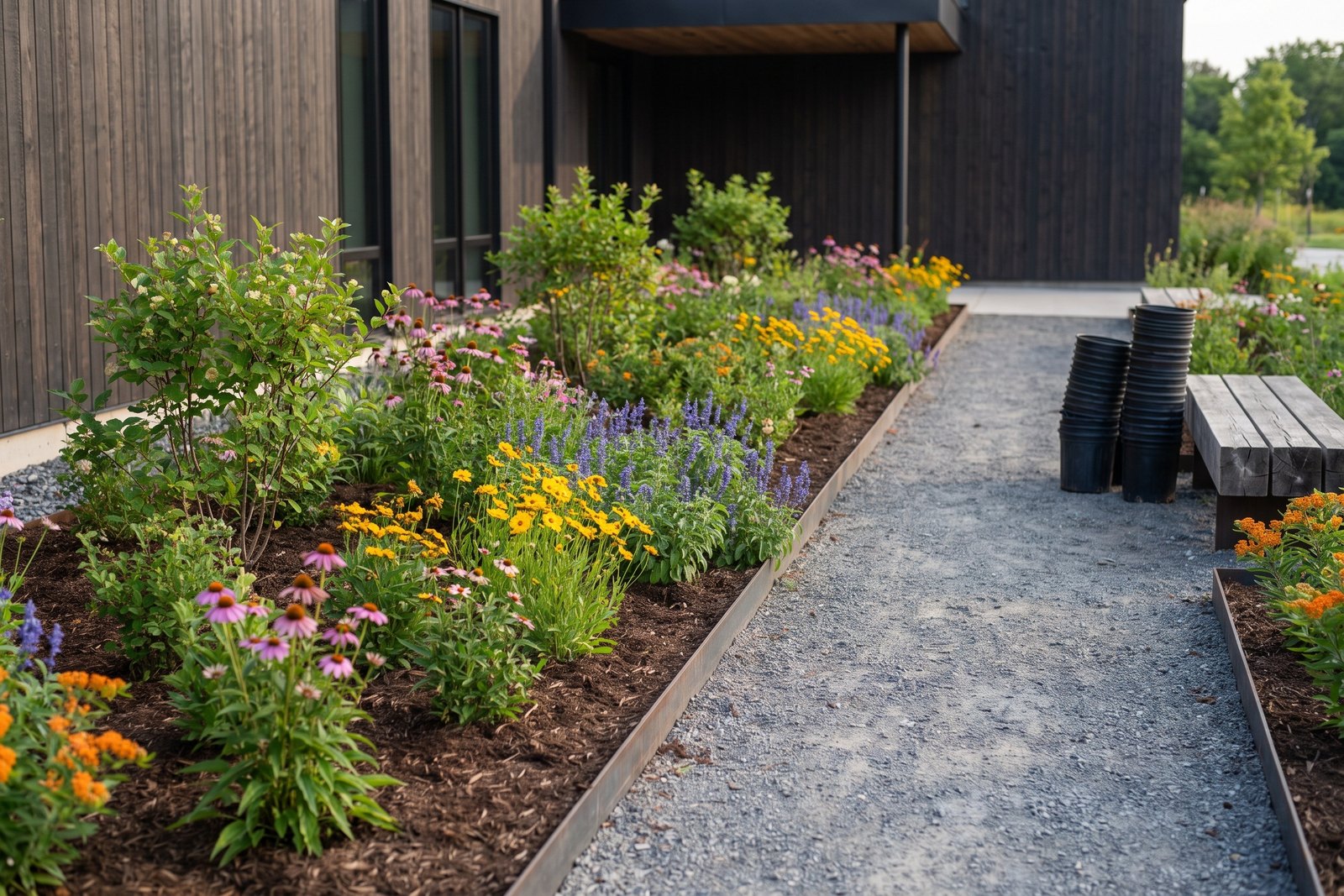
A pollinator planting list from a published regional guide is a wholesale order in disguise. This page shows how a club, a council or a conservation group matches the list to what growers list, chooses sizes and drifts, spreads flowering across the year, and asks the provenance, cultivar and chemical questions before the order goes in.
Updated October 24, 2026. Grower counts from the live us.hortosapp.com state hubs on 24 September 2026; median trade prices from the live price pages the same day, ahead of the first United States edition of the HortOS Plant Price Index.
Rain Gardens and Bioswales: Siting, Soil and Plants
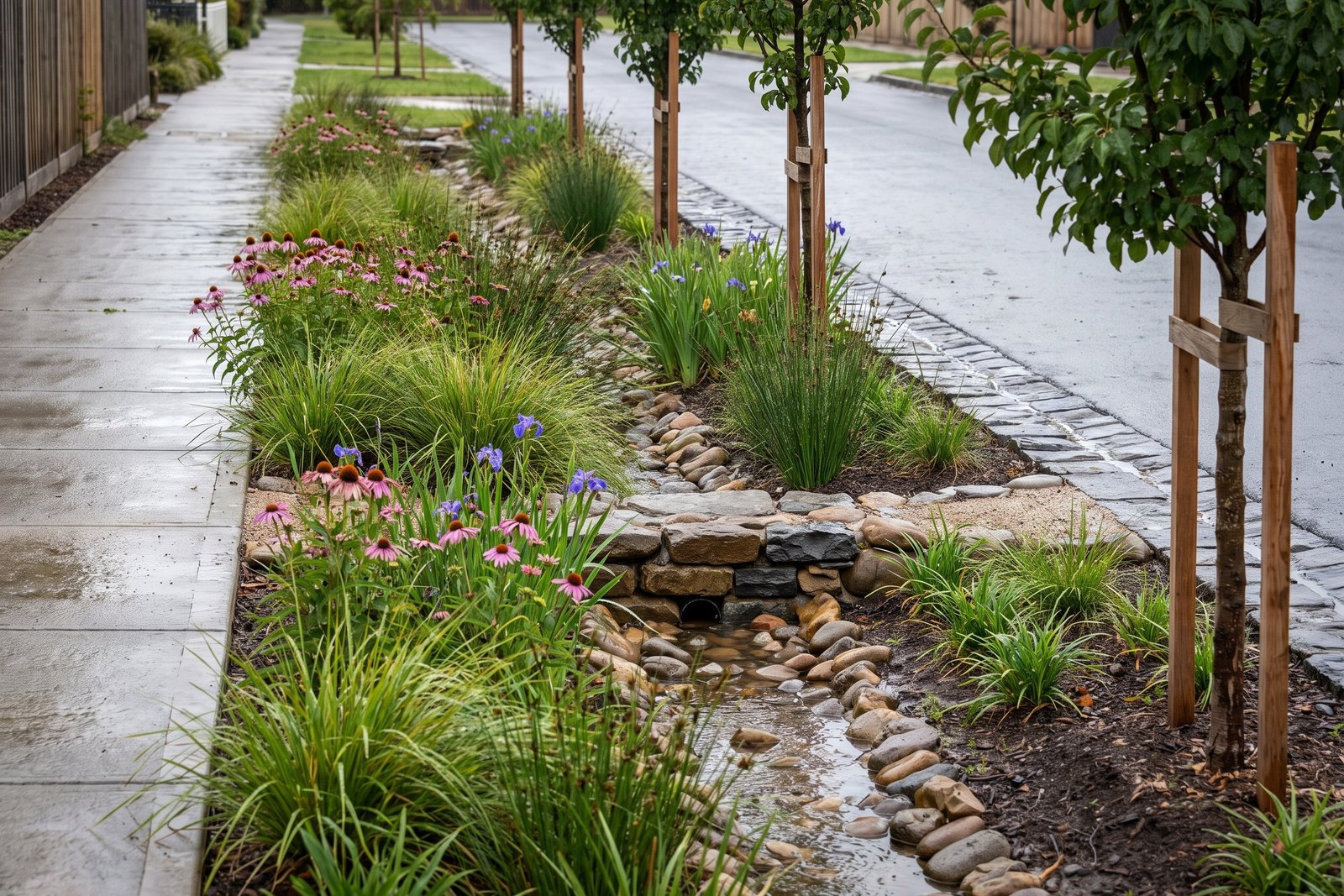
A rain garden is designed around the water first and the plants second, and its plants must take both a flood and a drought. This page covers what rain gardens and bioswales do, siting and sizing, the soil and the build, choosing plants for wet and dry, and looking after them.
Updated October 24, 2026. Plant counts and median trade prices from the live us.hortosapp.com plant and price pages on 25 October 2026; state grower counts from the hubs on 24 September 2026.
Restoration Planting and Local Ecotype Stock
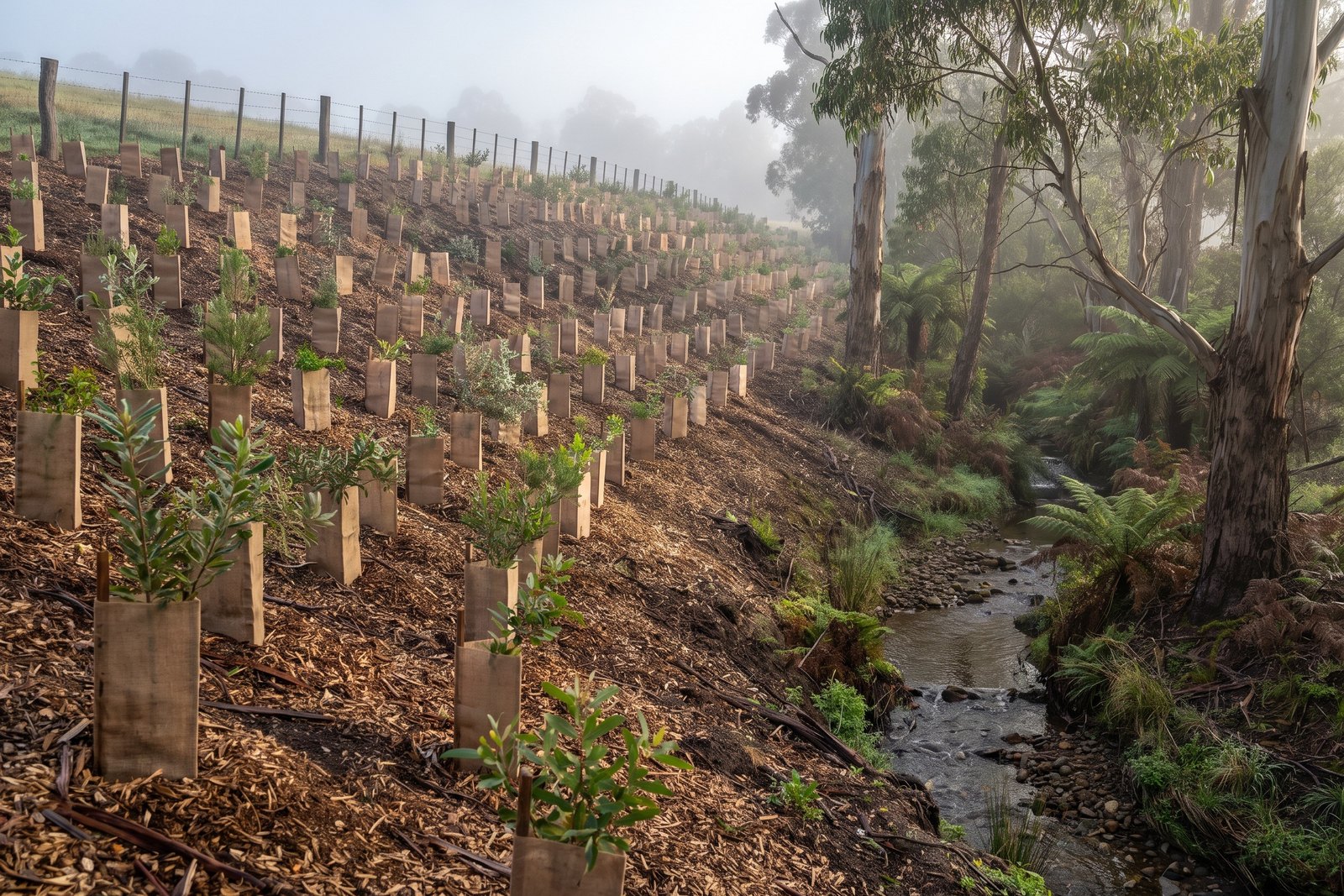
A restoration planting is decided by site preparation and seed origin before the day, and by two or three years of follow-up after it. This page covers preparing the site, local ecotype stock and seed zones, planting small stock well, the first three years and counting survival.
Updated October 24, 2026. Plant counts and median trade prices from the live us.hortosapp.com plant and price pages on 25 October 2026; state grower counts from the hubs on 24 September 2026.
Sourcing Native Plants for a Restoration or Revegetation Project
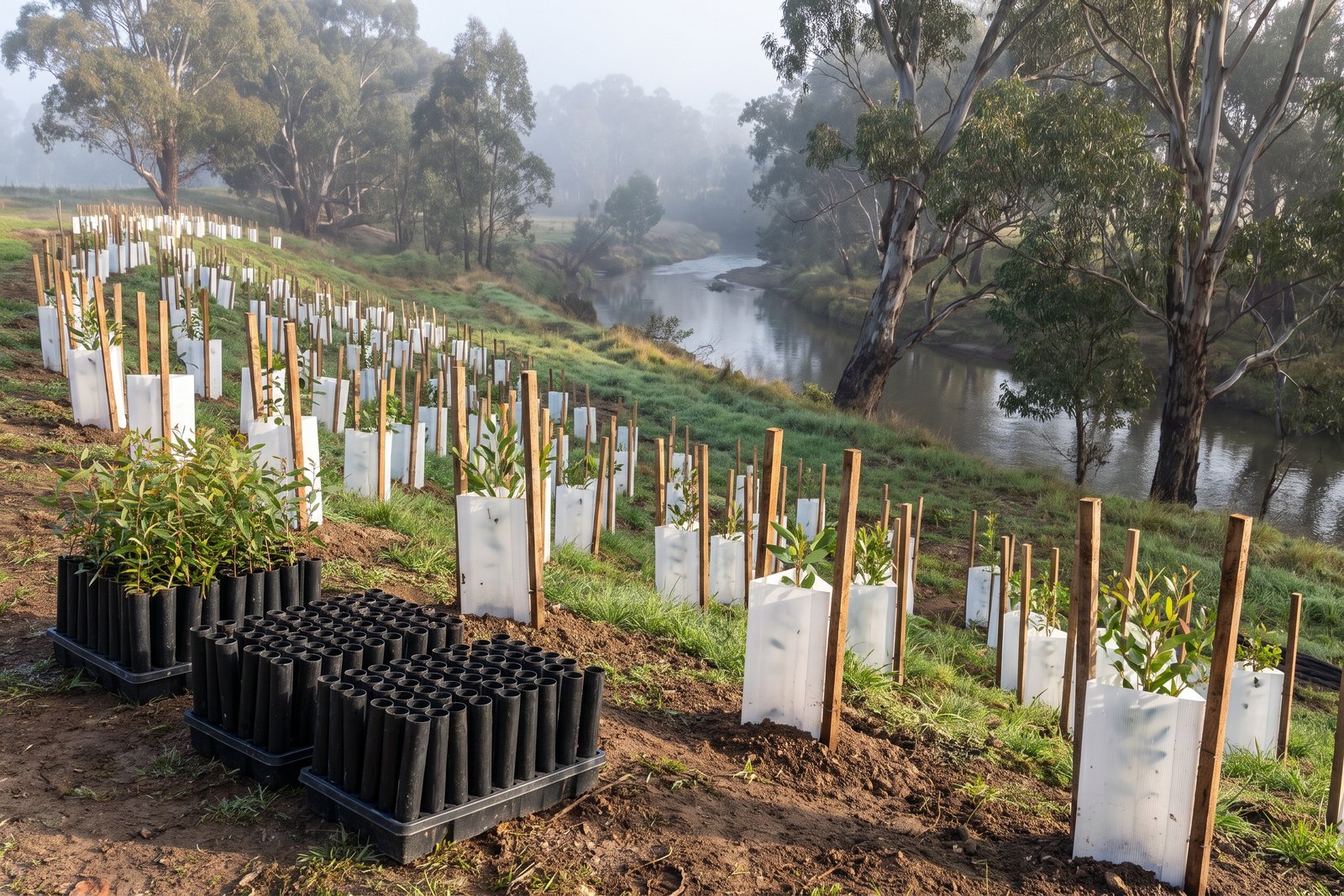
Revegetation stock is grown to order, so a restoration project that books its growing a year ahead plants what the plan says. This page covers the provenance rule and how to ask for it, the grades the trade grows, contract growing and its timetable, reading the directory for a project, and what a grower's list cannot show.
Updated October 24, 2026. Grower counts from the live us.hortosapp.com state hubs on 24 September 2026; median trade prices from the live price pages the same day, ahead of the first United States edition of the HortOS Plant Price Index.
Insurance, risk and the law
Money, tax, grants and rebates
Stormwater fee credits, rain garden rebates and the plants they name
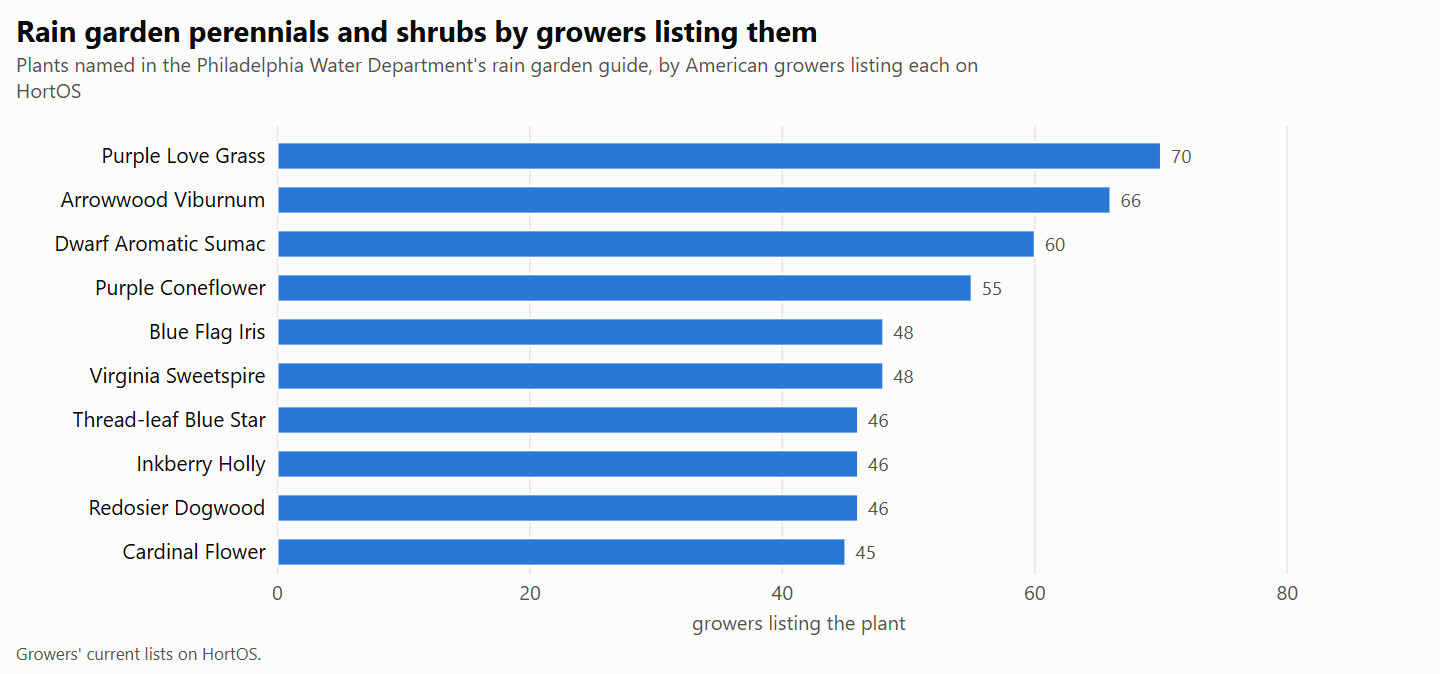
American stormwater utilities help in four ways: a percentage off the fee, a fixed credit, a rebate after the work, or a garden the city builds. This guide reports what programs in the District of Columbia, Philadelphia, Portland, Seattle and four other places say, what planting each counts, and trade medians for the plants the Philadelphia and District guides name.
Updated October 6, 2026. Figures are what the live us.hortosapp.com price and plant pages printed.
Planning a Planting Budget for a Council or School
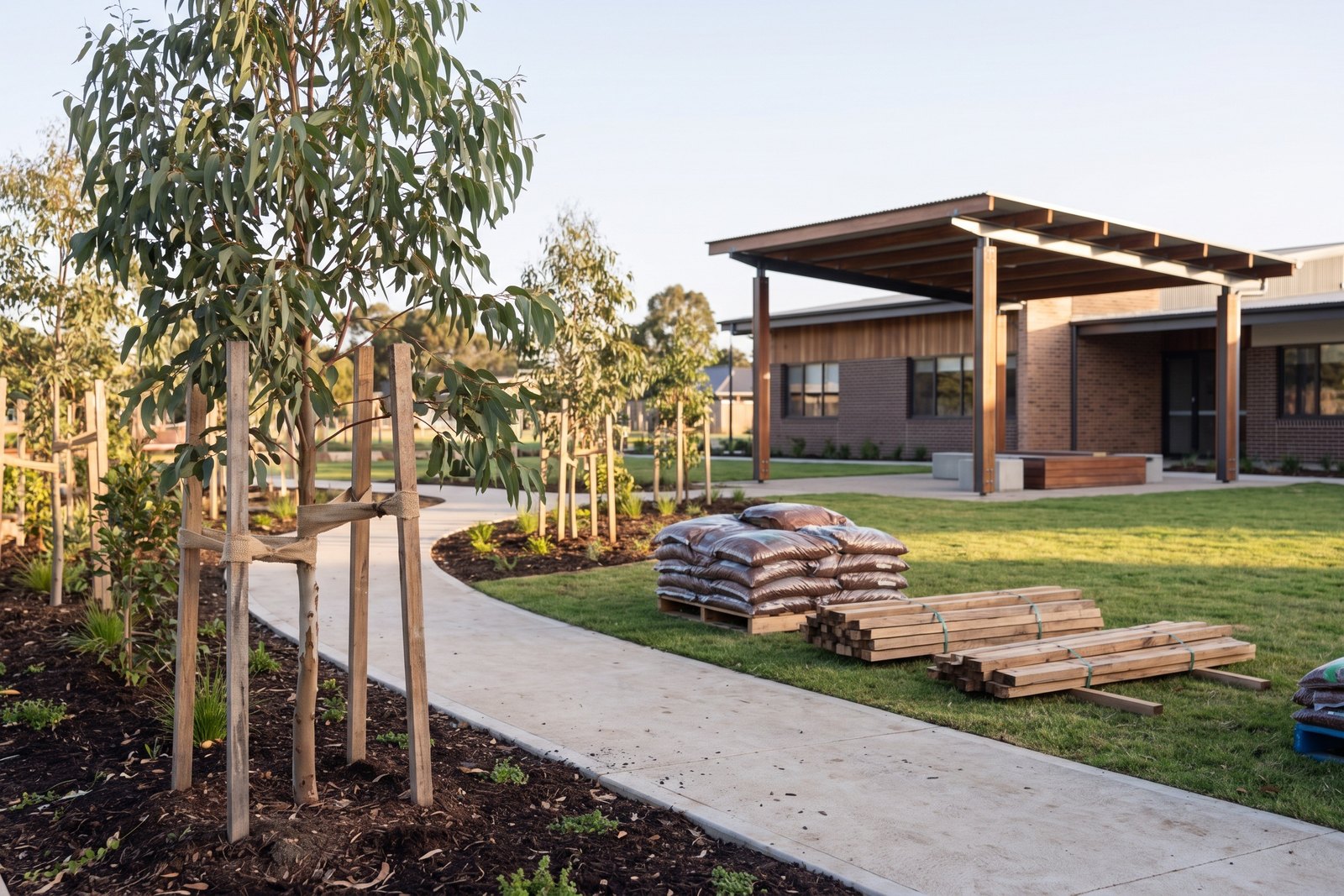
The plants are commonly a third to a half of a planting's real cost. This page builds a budget line by line for a park, a street, a school ground or a community site: plant lines at growers' trade prices, then site work, mulch, hardware, water for two summers, labor, delivery, replacements and maintenance, with a worked example.
Updated October 24, 2026. Grower counts from the live us.hortosapp.com state hubs on 24 September 2026; median trade prices from the live price pages the same day, ahead of the first United States edition of the HortOS Plant Price Index.
Property and development
What the research says trees and landscaping add to a home's value
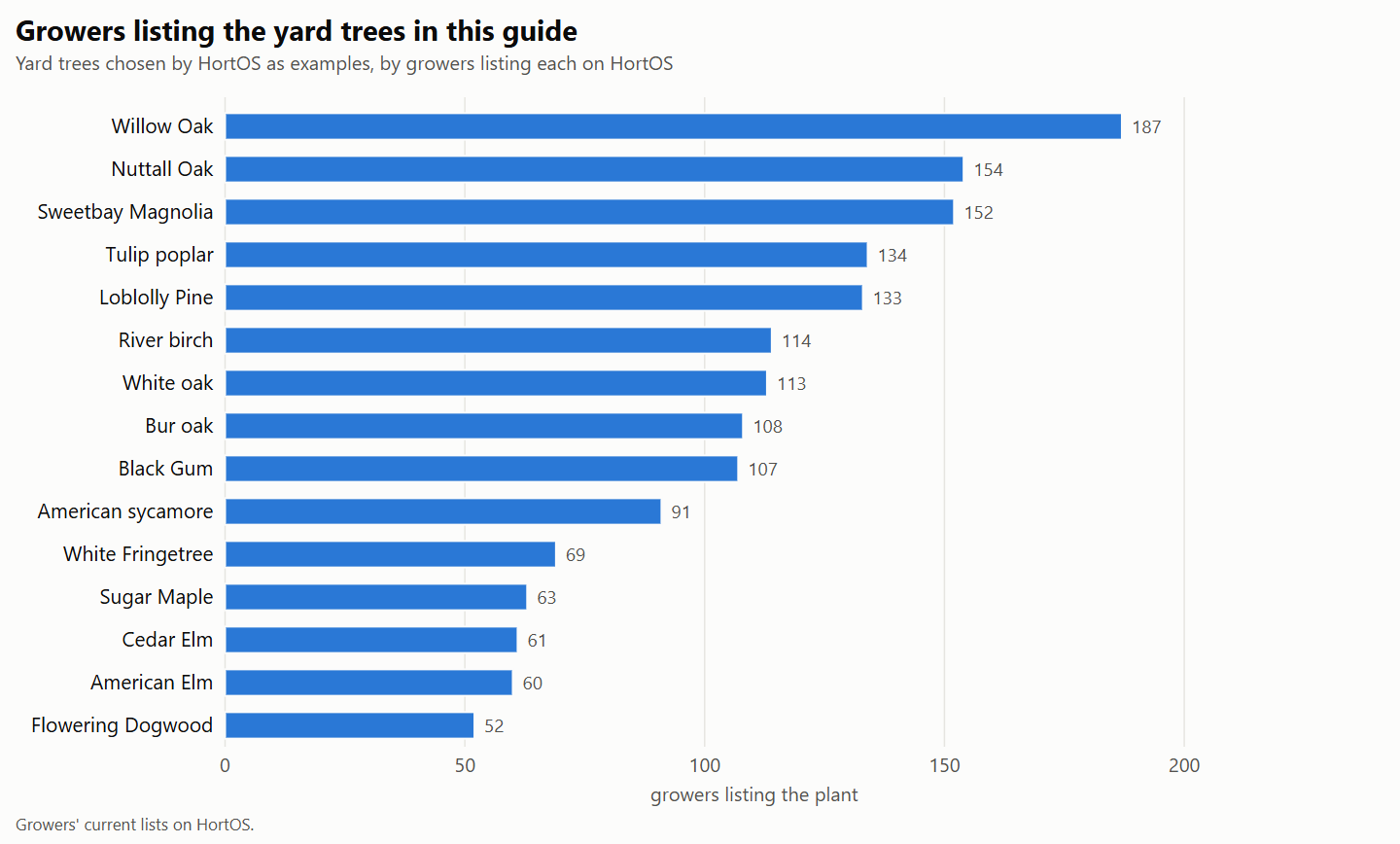
A study by study account of what American research found trees and landscaping add to a home's value: the seven-state perceived value survey, the Portland and Minnesota sale price models and eight more, each with its method and what it leaves out. A separate section shows what growers list for yard trees and shrubs.
Updated September 14, 2026. Figures are what the live us.hortosapp.com price and plant pages printed.
Tree mitigation fees in Texas and Florida cities and replacement trees
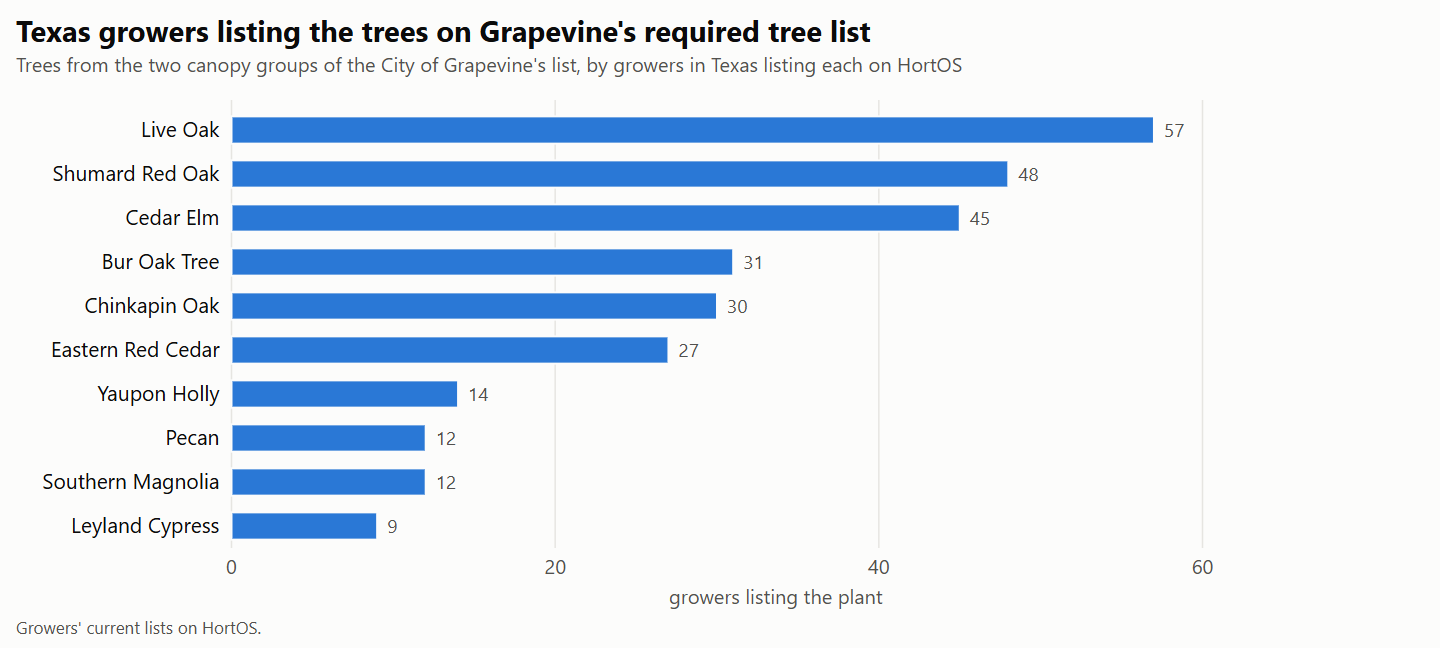
The fees that Texas and Florida cities print for paying in place of replacement trees, each from the city's own dated document, with what the fee covers and when it may be paid. The page explains the Texas planting credit and Florida's section 163.045, then shows growers listing the trees those cities name.
Updated September 2, 2026. Figures are what the live us.hortosapp.com price and plant pages printed.
Budgeting plant replacement for HOAs and condominiums
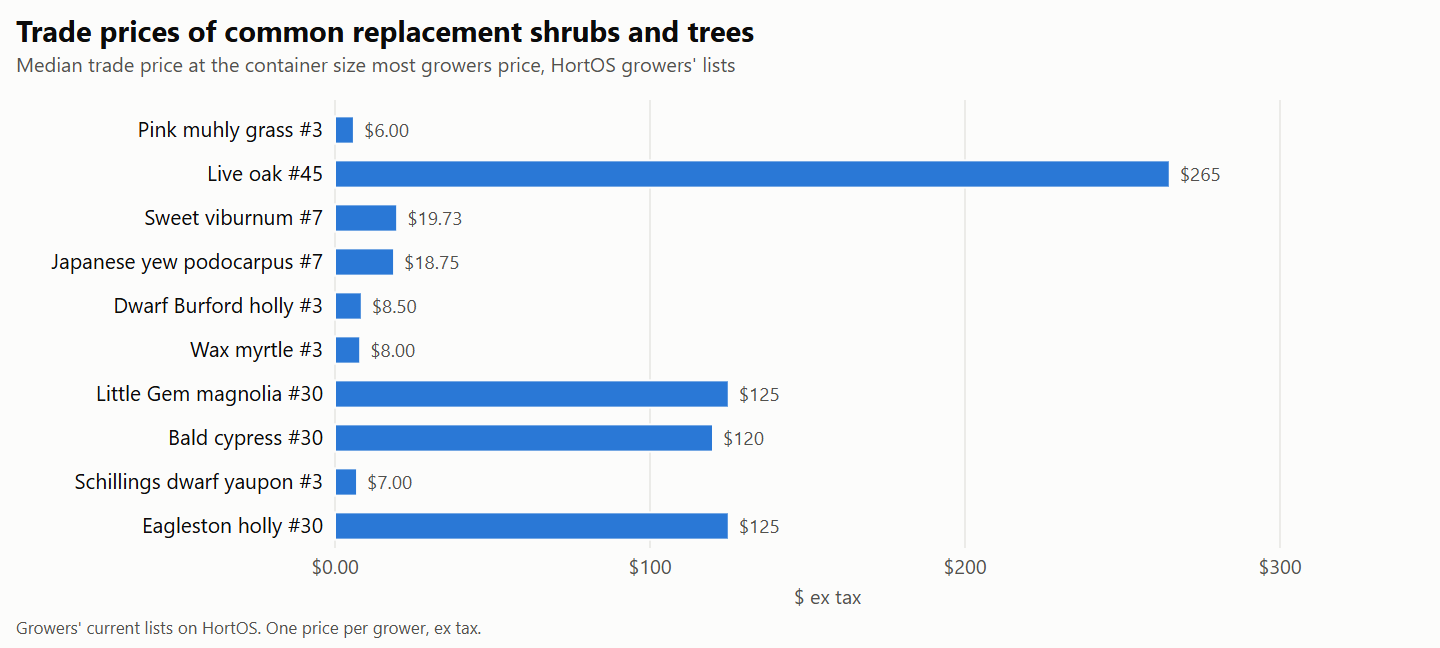
How the Community Associations Institute's reserve test, a reserve study firm and the 2026 Florida Statutes treat plants in an association budget, with a table of the trade prices growers list on HortOS for the hedge, foundation and shade plants common in Southeastern common areas, by the size most growers price.
Updated September 14, 2026. Figures are what the live us.hortosapp.com price and plant pages printed.
The trade and procurement
Nursery Pot Sizes Explained: Millimetres, Litres and Gallons
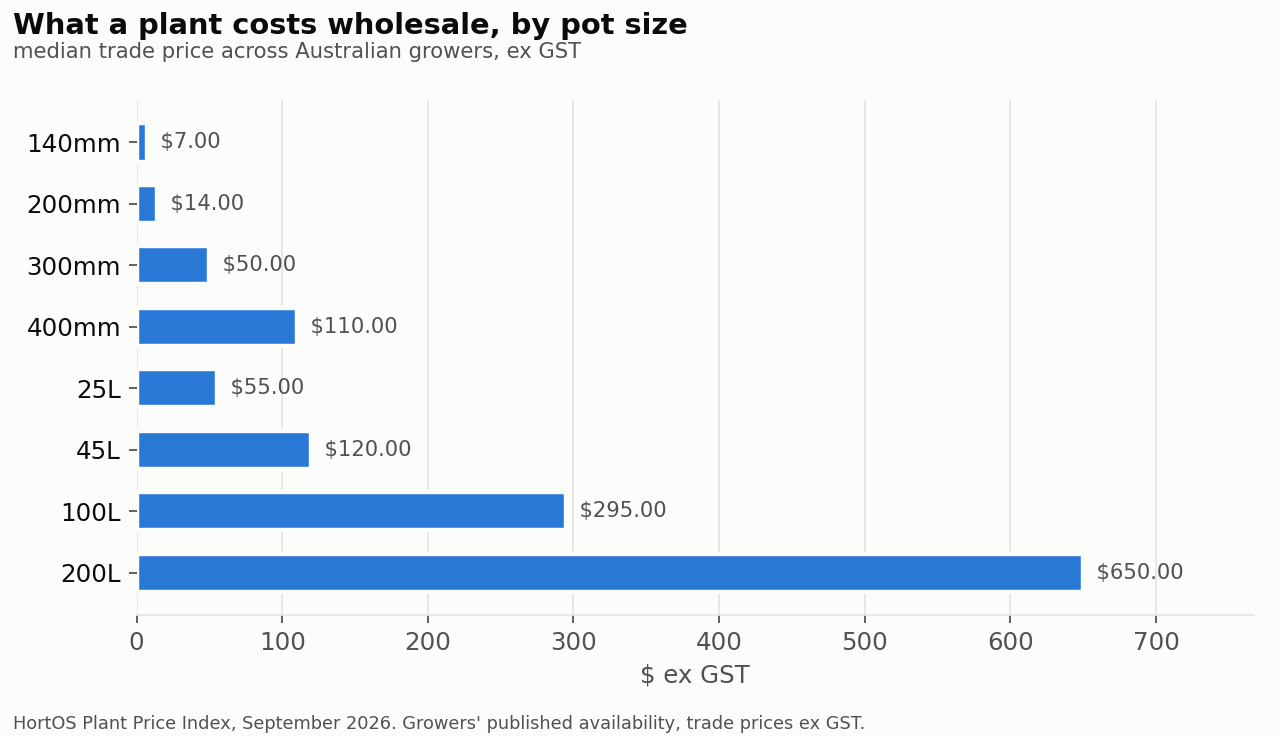
Australian growers name a pot by its rim diameter up to 400 mm and by its volume in litres above that, while American growers use gallon classes. This guide explains each step of the ladder, the approximate height and age behind it, how to convert between systems, and what the trade pays at every size.
Updated September 25, 2026. Figures from the HortOS Plant Price Index, September 2026 edition.
What a Tree Costs at the Nursery, by Container Size and Caliper
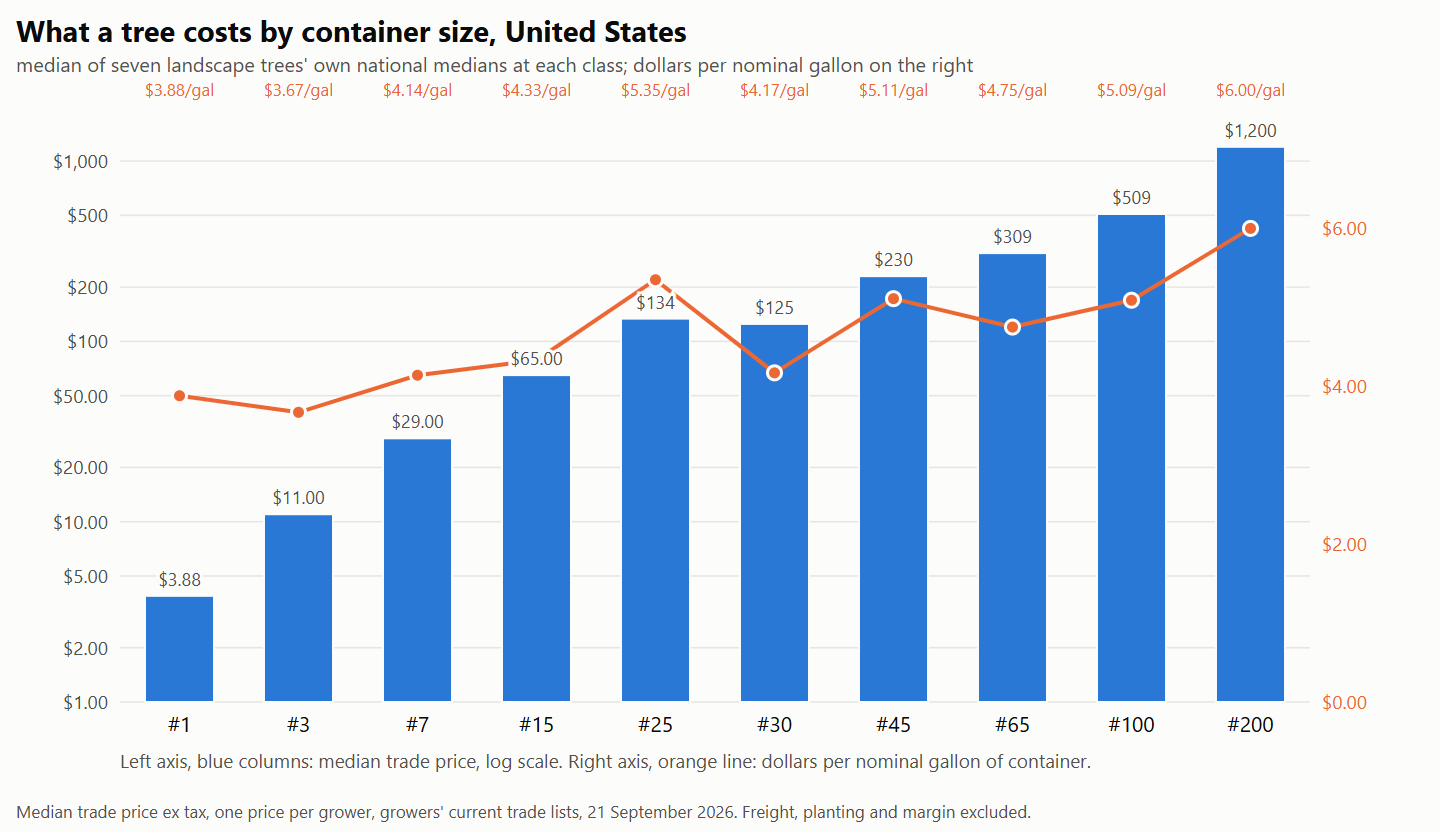
A tree has a knowable wholesale price before freight, planting and margin are added, and the container size sets it far more than the species does. This page gives the trade prices for seven widely grown American trees at every size three or more growers publish, with the sizing rules behind them.
Updated September 25, 2026. Figures from growers' current trade lists on us.hortosapp.com as at 21 September 2026, not an Index edition; refreshed with the first United States edition of the HortOS Plant Price Index.
Buying From a Wholesale Grower When You Are Not in the Trade
Native plant societies, watershed districts, land trusts, schools and church committees can buy from wholesale growers when they order like the trade: in quantity, ahead of the season, on the grower's terms. This page explains who sells to whom, resale certificates and exemptions, minimums and pooling, the sizes to buy, straight species and ecotype, lead times and shipping.
Updated September 25, 2026. Figures from the live us.hortosapp.com price pages and plant pages on 24 September 2026; refreshed with the first United States edition of the HortOS Plant Price Index.
Reading a Wholesale Availability List, and Pricing the Plants in a Bid
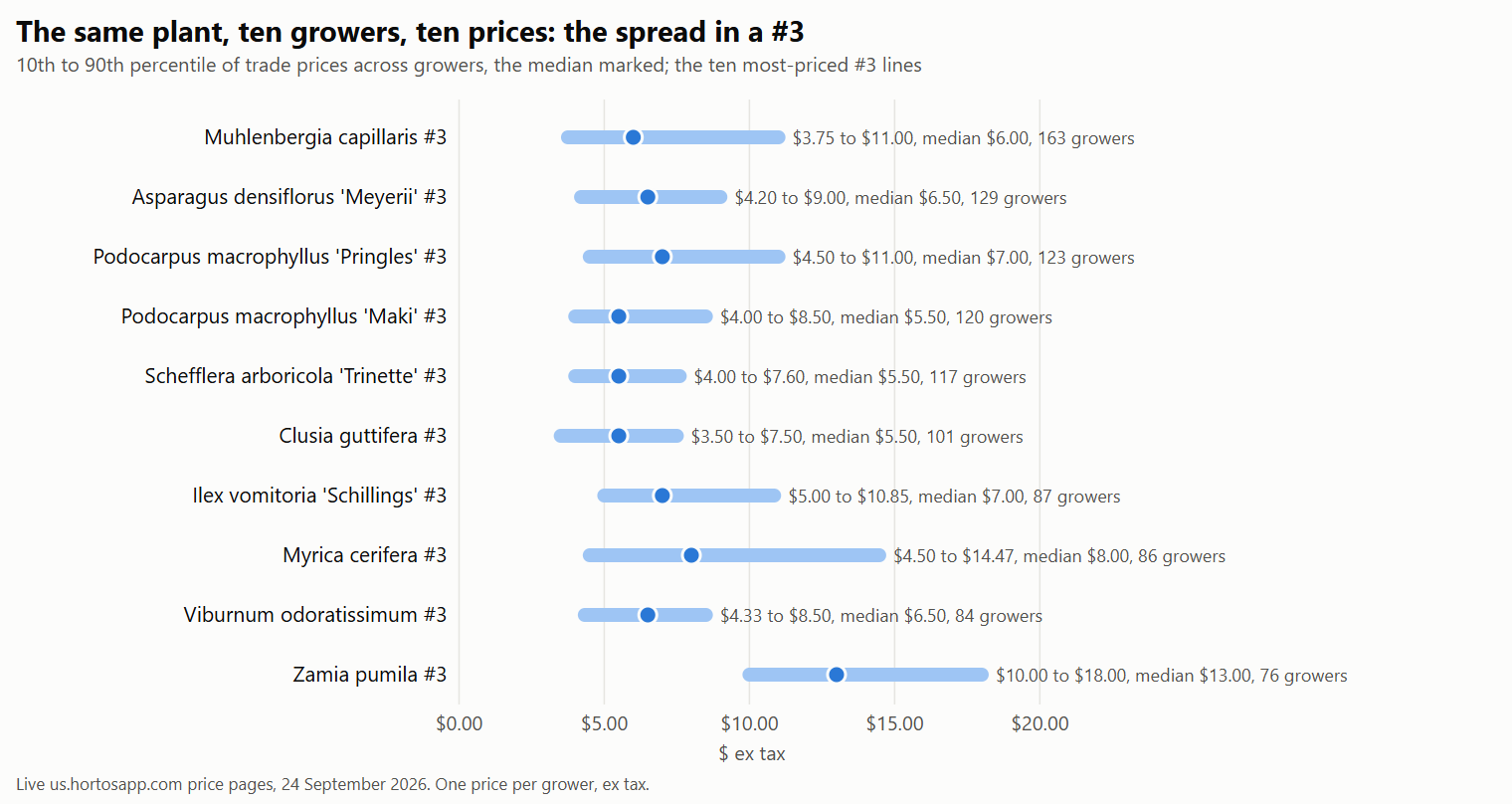
For landscape contractors, designers, estimators and students: what each column of a wholesale availability list means, how much the same plant at the same size varies between growers and states, how the low, median and high on the price pages are built, and how to carry the plant line of a bid from the list to the client.
Updated September 25, 2026. Figures from the live us.hortosapp.com price pages on 24 September 2026; refreshed with the first United States edition of the HortOS Plant Price Index.
The American Standard for Nursery Stock explained for buyers
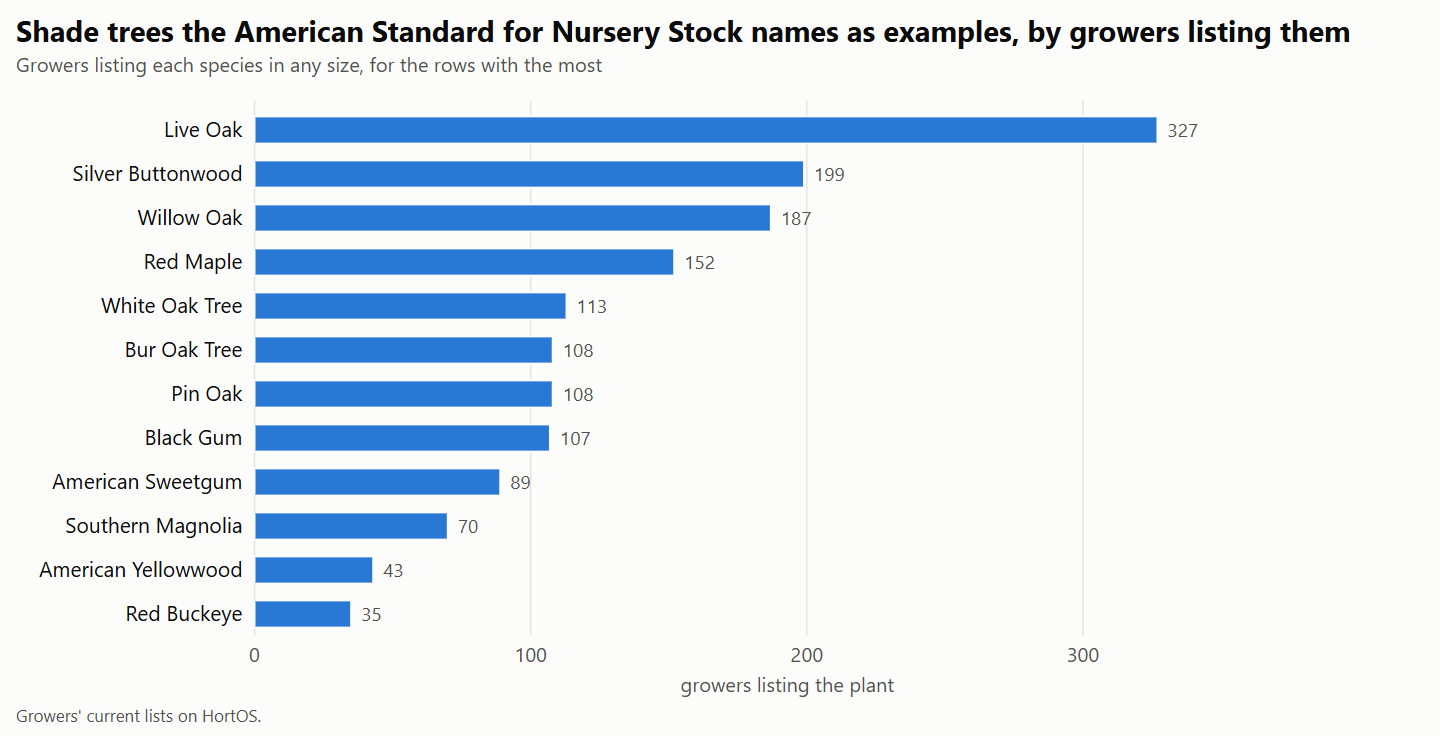
ANSI Z60.2-2025 is the current American Standard for Nursery Stock, and it binds an order only where a contract, specification or code calls it up. The page paraphrases its rules for caliper, height, container class and root ball, sets out how public documents name the edition, and counts the growers listing its example shade trees.
Updated October 22, 2026. Grower counts are what the live us.hortosapp.com plant pages printed.
Buying Plants in Bulk for a Community Group
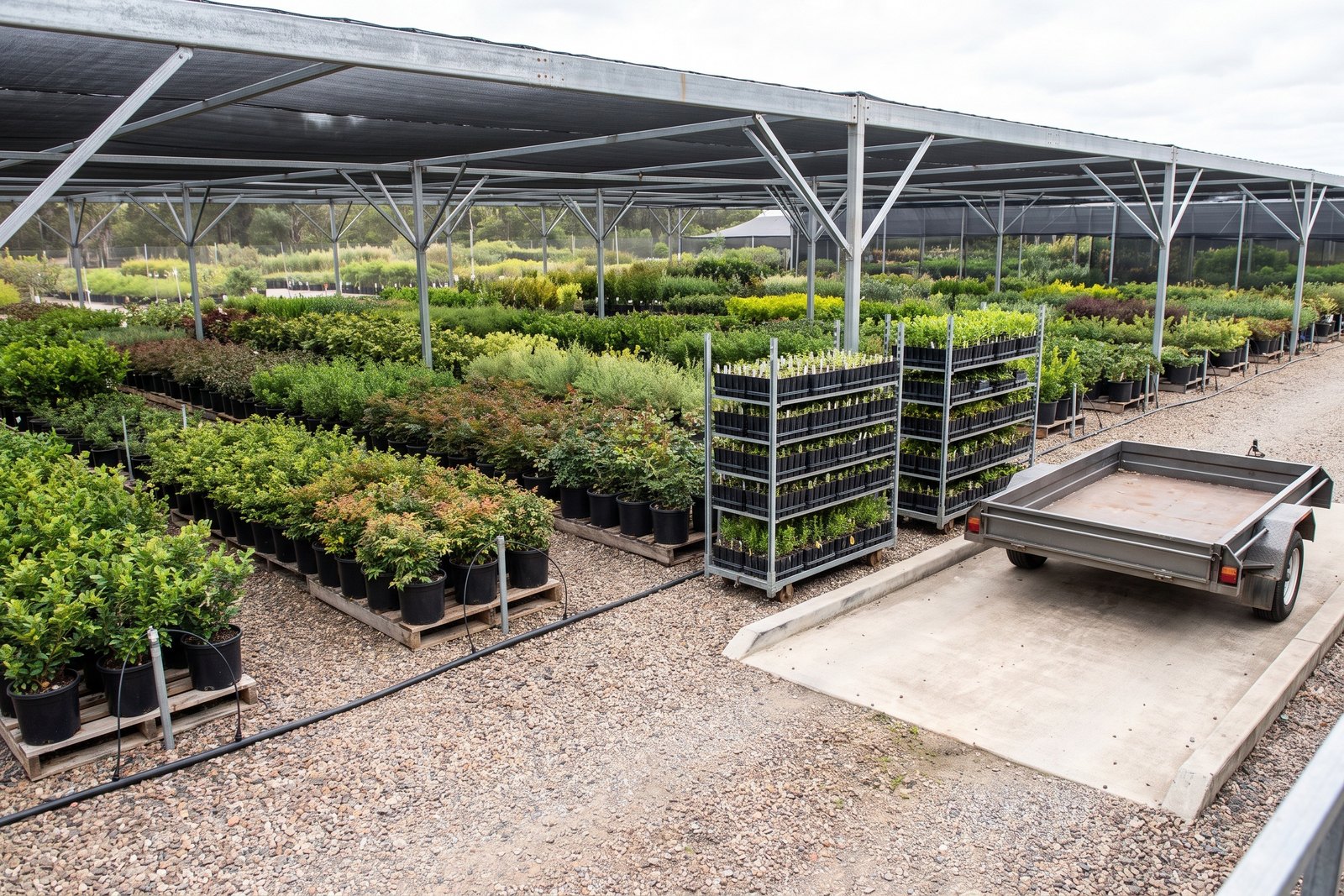
Garden clubs, community gardens, schools and friends groups can buy plants by the tray and the cart from wholesale growers when they order like the trade. This page explains what bulk means to a grower, the three ways a group buys, how to turn a plan into quantities, what a quote request needs and how collection day works.
Updated October 24, 2026. Grower counts from the live us.hortosapp.com state hubs on 24 September 2026; median trade prices from the live price pages the same day, ahead of the first United States edition of the HortOS Plant Price Index.
Plant Grades and Container Sizes, Market by Market
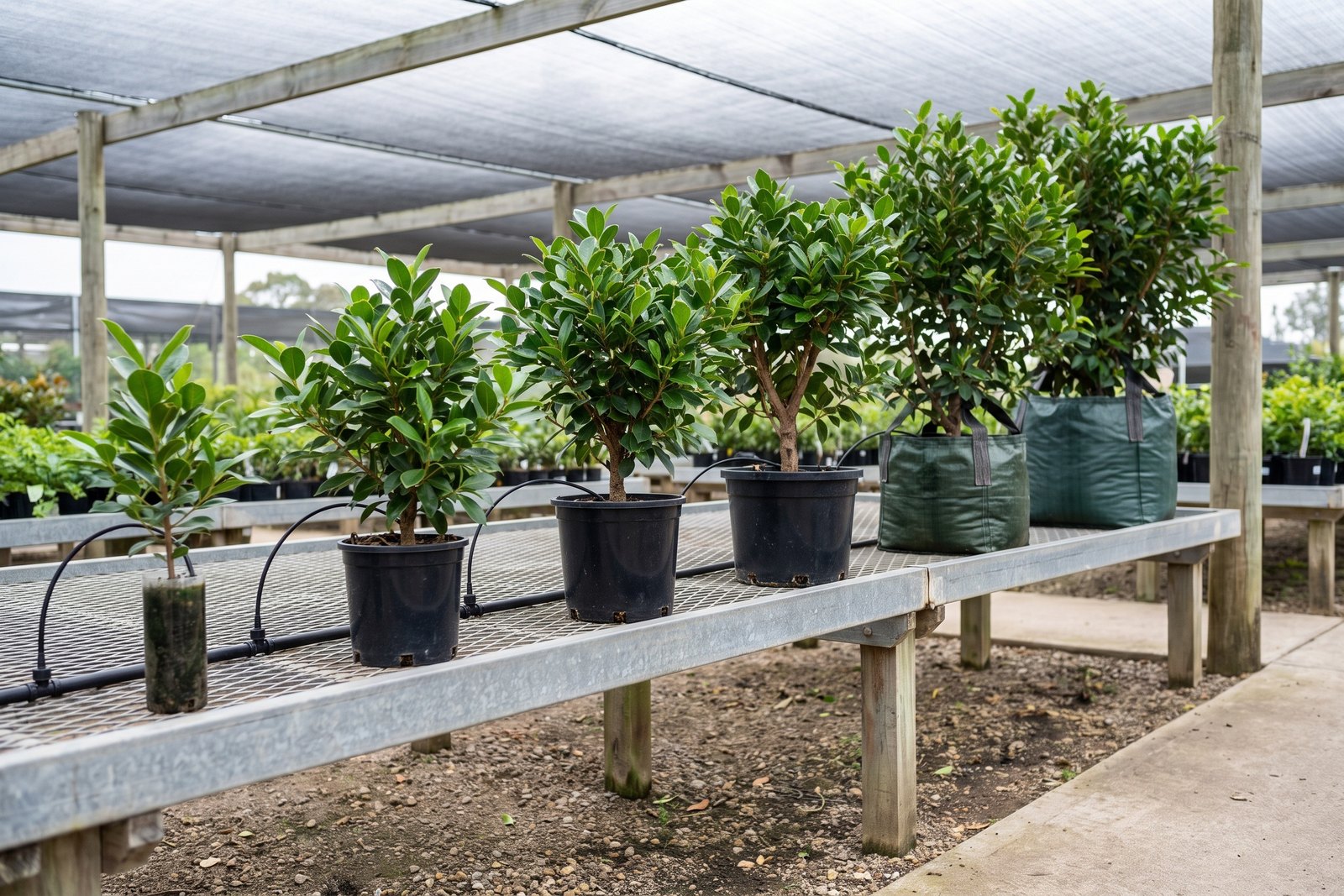
A #3 in Florida, a 200 mm pot in Sydney, a PB5 in Hamilton and a #2 in Ontario are roughly the same plant. This page sets the four markets' size ladders side by side from plug to field grown tree, explains what each grade is and how old, and names the standard each market specifies against.
Updated October 24, 2026. Grower counts from the live us.hortosapp.com state hubs on 24 September 2026; median trade prices from the live price pages the same day, ahead of the first United States edition of the HortOS Plant Price Index.
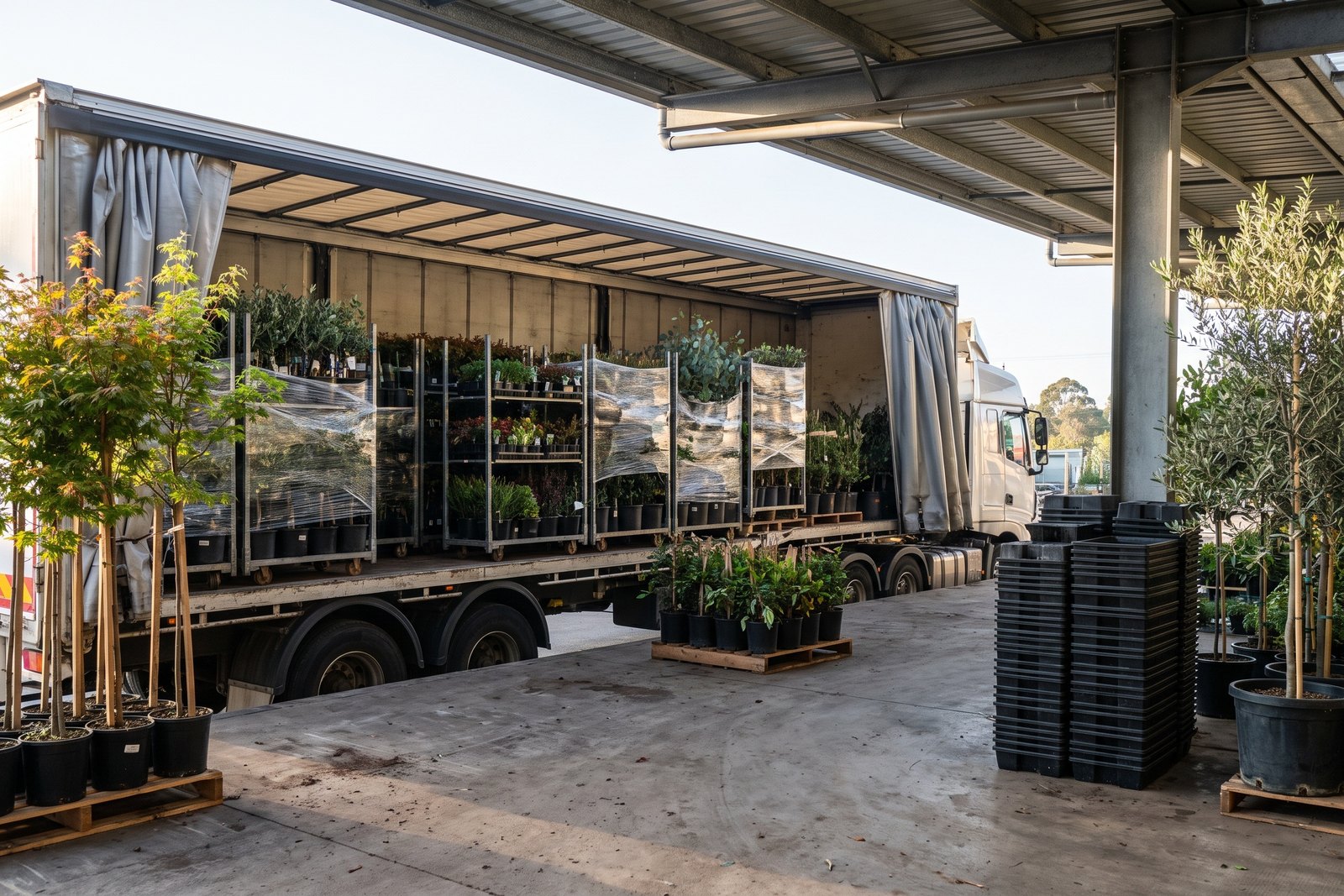
Reading a Grower's Price List and Trade Terms
A grower's price list is an offer written in shorthand, and the terms are part of the price. This page reads a trade list column by column and term by term, from the tax and freight basis to minimums, price on application, holds, substitutions, payment and claims, and turns two quotes into landed costs.
Updated October 24, 2026. Grower counts from the live us.hortosapp.com state hubs on 24 September 2026; median trade prices from the live price pages the same day, ahead of the first United States edition of the HortOS Plant Price Index.
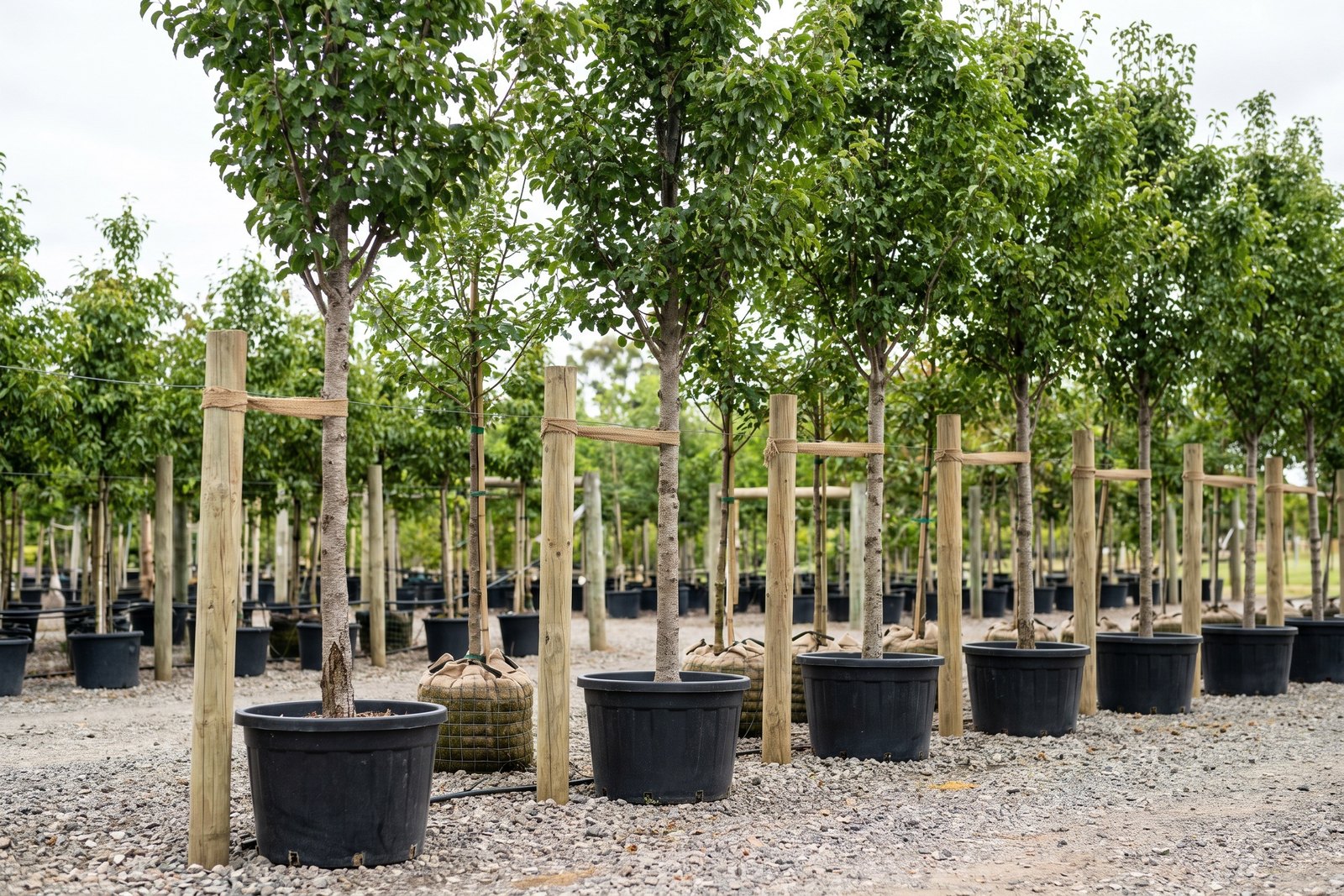
Specifying and Procuring Trees for a Street or Park Planting
A street or park planting fails at the specification more often than at the planting. This page explains the nursery stock standard to specify against, what goes in the clause, how the trade grows and grades advanced trees, where the growers are, the quote and tender process, and the inspection at the nursery and at delivery.
Updated October 24, 2026. Grower counts from the live us.hortosapp.com state hubs on 24 September 2026; median trade prices from the live price pages the same day, ahead of the first United States edition of the HortOS Plant Price Index.
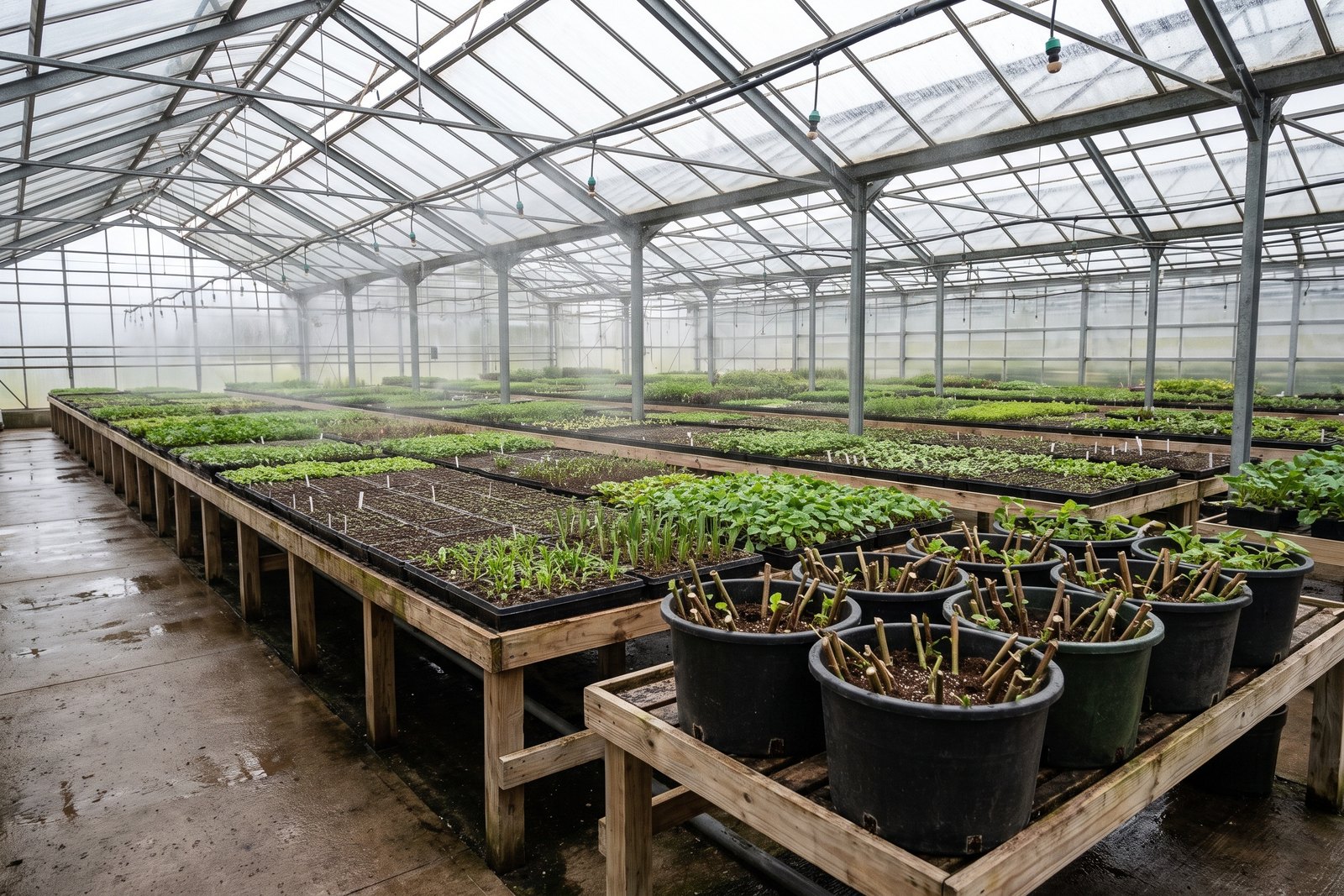
When to Order: Lead Times, Pre-Orders and Contract Growing
Every plant on a grower's list is a decision made a season or more ago. This page explains how long each grade takes to grow, the three ways a buyer secures stock ahead of the season, what a growing contract contains, the planting calendar in this market and how to read a current list for the year ahead.
Updated October 24, 2026. Grower counts from the live us.hortosapp.com state hubs on 24 September 2026; median trade prices from the live price pages the same day, ahead of the first United States edition of the HortOS Plant Price Index.
Community, schools and health
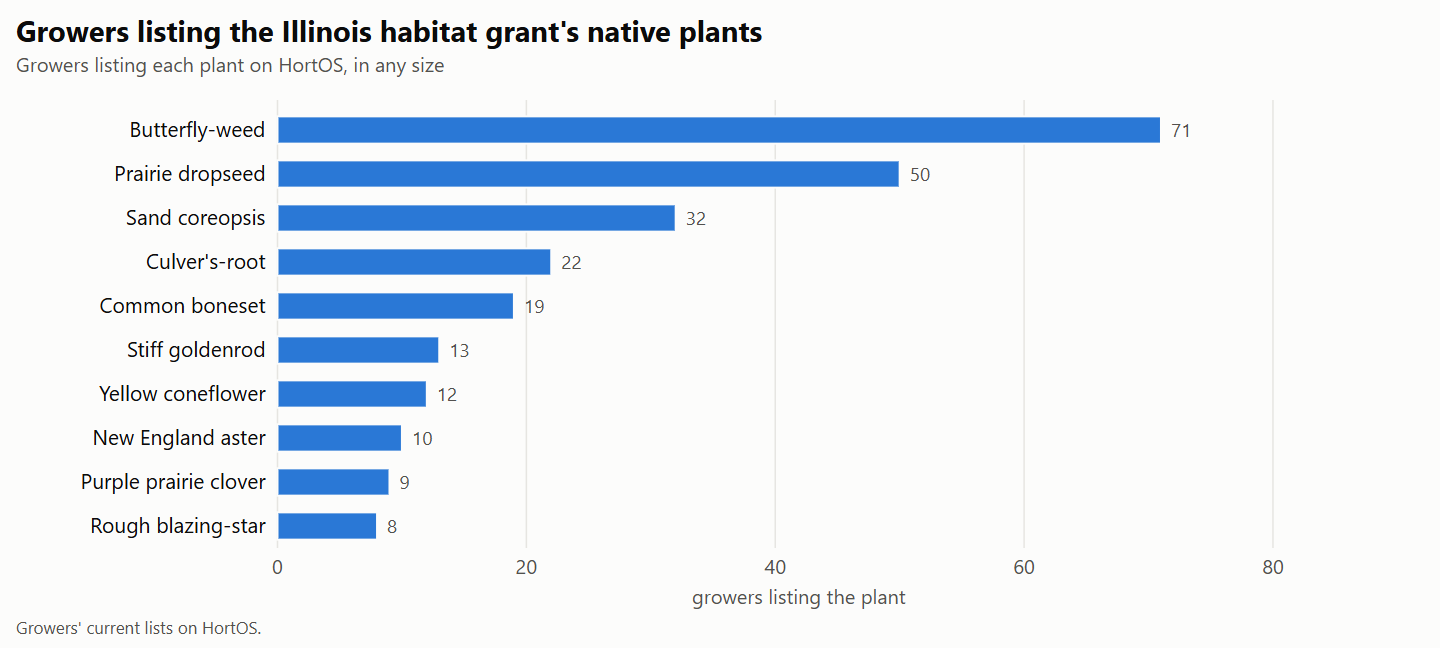
School garden grants and the growers and trade prices for the plants
A dated record of school and youth garden grants in the United States, each read on its funder's own page. It adds the growers listing the native plants the Illinois habitat grant pays for, and trade medians for the apple and fig varieties University of Georgia Cooperative Extension names for school gardens.
Updated October 9, 2026. Figures are what the live us.hortosapp.com price and plant pages printed.
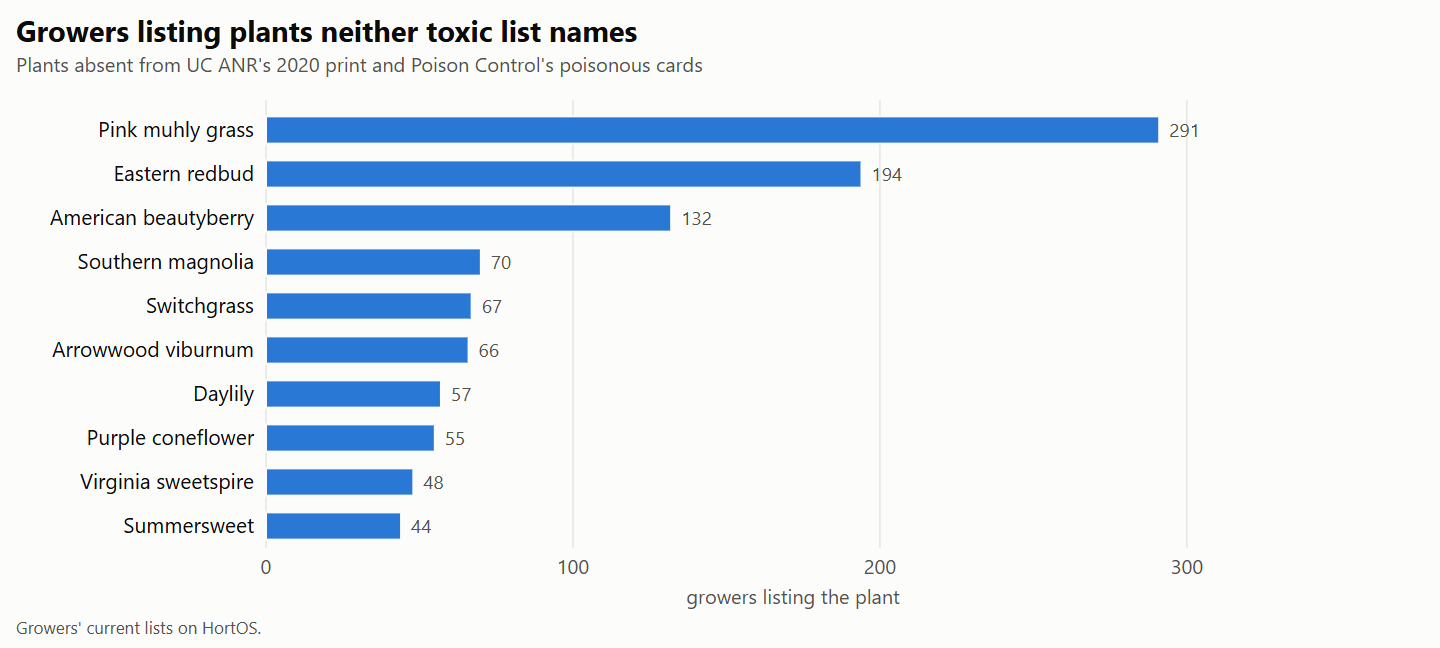
Poisonous plant rules in child care and plants off the toxic lists
Three state child care rules set a duty to keep toxic plants from children, and the plants come from separate lists. This page reports the Utah, North Carolina and Pennsylvania texts, UC ANR's toxicity classes and Poison Control's cautions, then trade prices for plants neither toxic list names.
Updated September 23, 2026. Figures are what the live us.hortosapp.com price and plant pages printed.
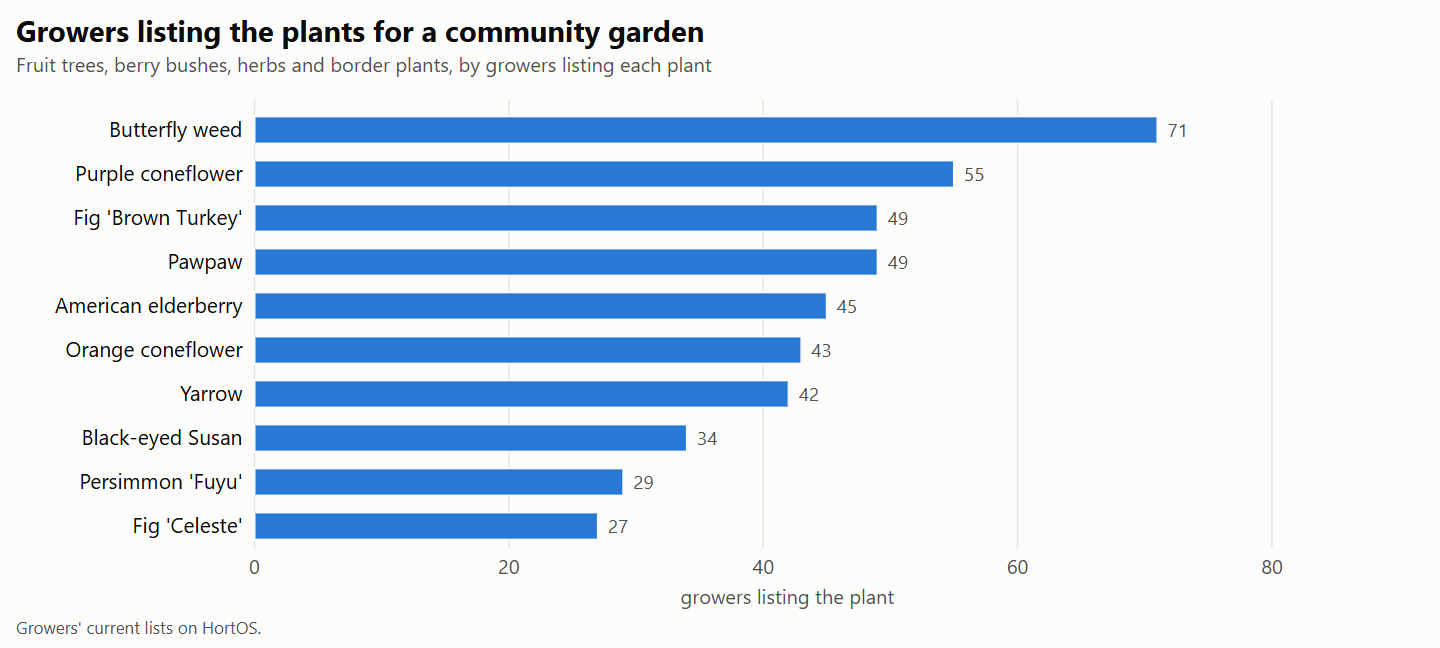
What the plants for a community garden cost at trade
For community garden groups writing a start-up budget. It reports what Gardening Matters, University of Delaware Cooperative Extension and NC State Extension say about plants and cost, and sets out trade medians by container size for fruit trees, berry bushes, herbs and pollinator border plants, with the growers pricing each.
Updated October 8, 2026. Figures are what the live us.hortosapp.com price and plant pages printed.
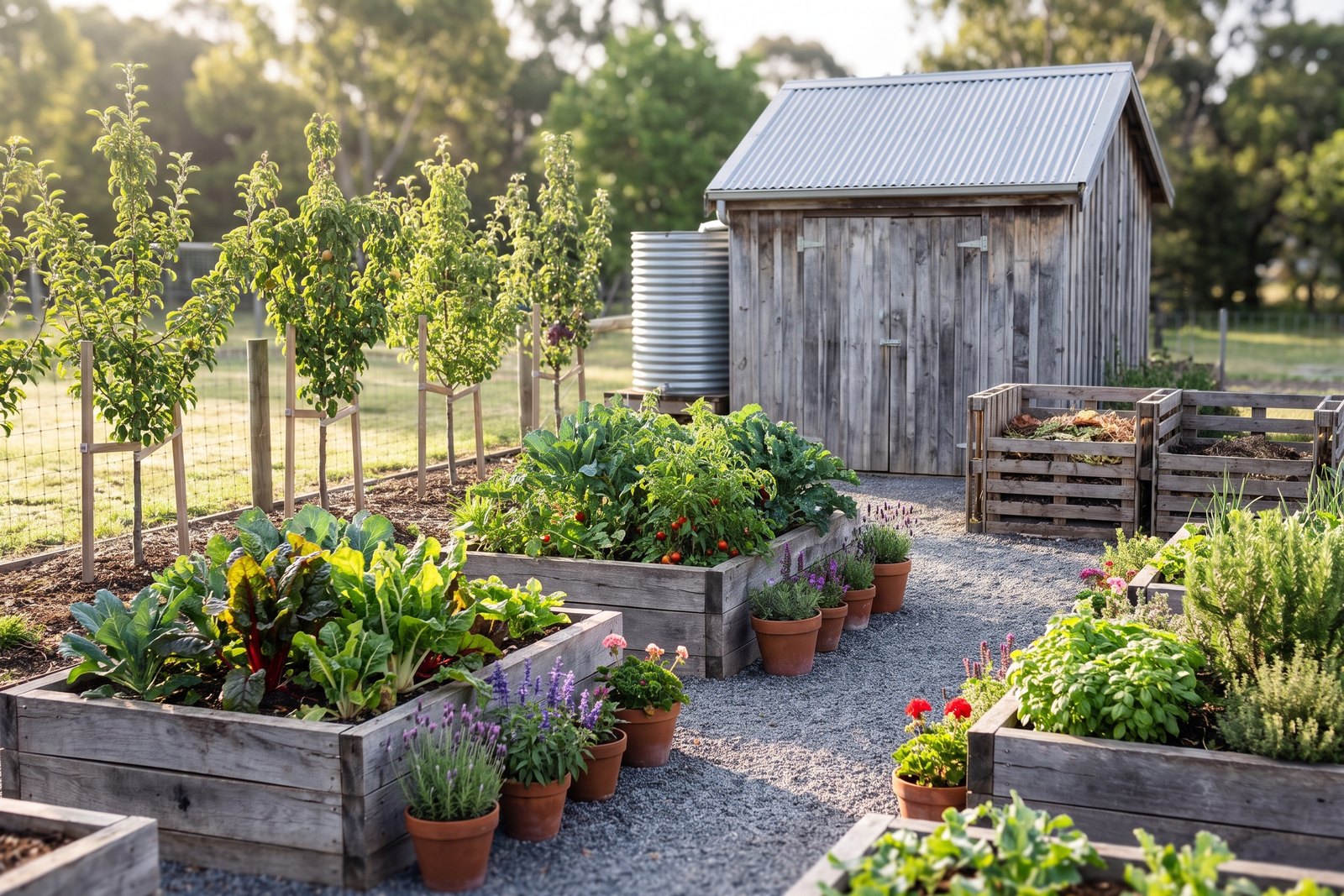
Choosing Plants for a Community Garden on a Budget
A community garden's plant budget goes furthest on plants that come back every year, bought small, from what growers list in numbers. This page sets out the order to spend in, the plants that earn their place, buying small and together, and where fruit and shade trees fit.
Updated October 24, 2026. Plant counts and median trade prices from the live us.hortosapp.com plant and price pages on 25 October 2026; state grower counts from the hubs on 24 September 2026.
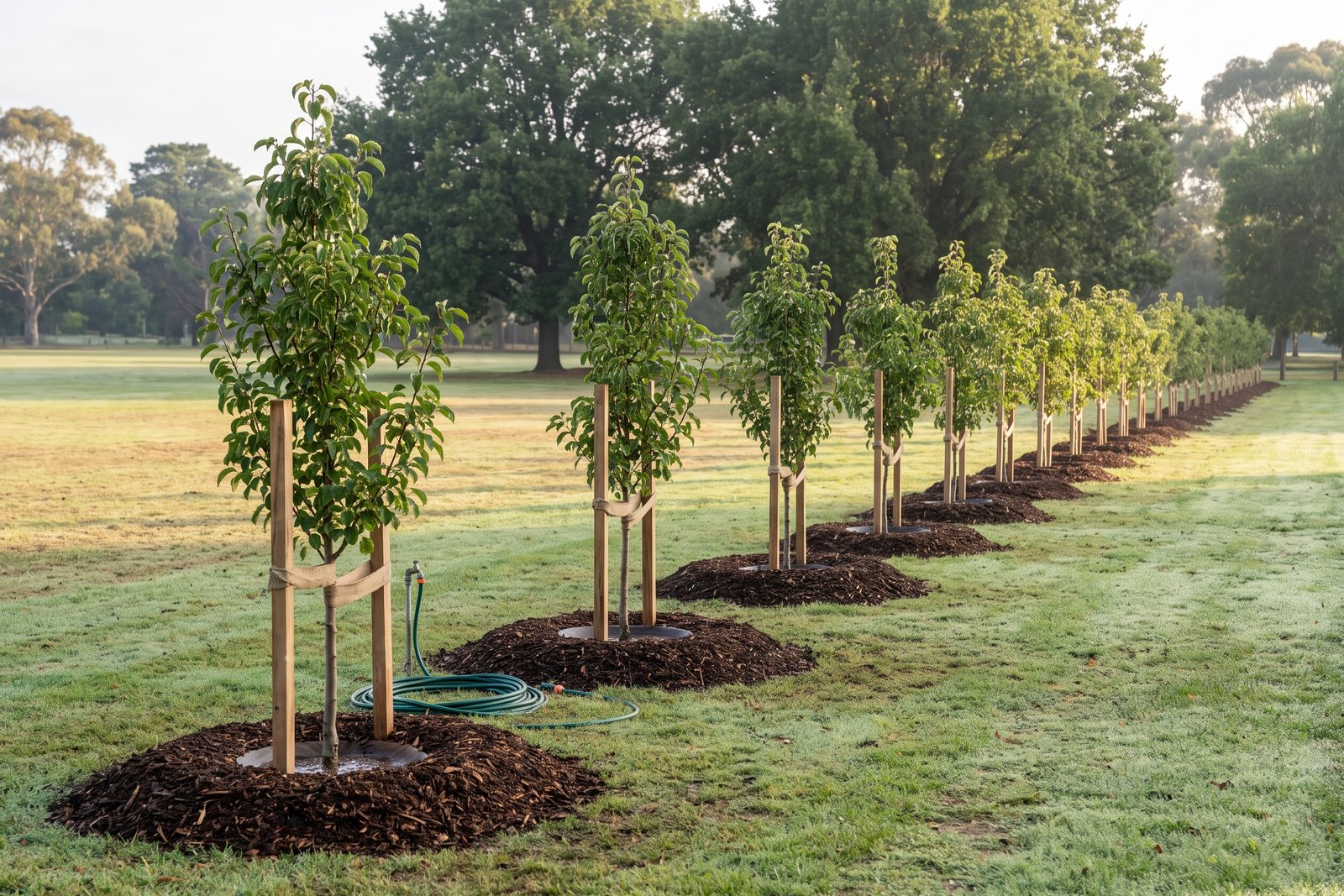
Planting Trees at a Park or Street Tree Event
A tree planting day is judged two summers later, and the sizes, spacing and aftercare plan decided before it keep the trees alive. This page covers sizes volunteers can plant, spacing for the mature canopy, the planting method arborists publish, running the day and the first two summers.
Updated October 24, 2026. Plant counts and median trade prices from the live us.hortosapp.com plant and price pages on 25 October 2026; state grower counts from the hubs on 24 September 2026.
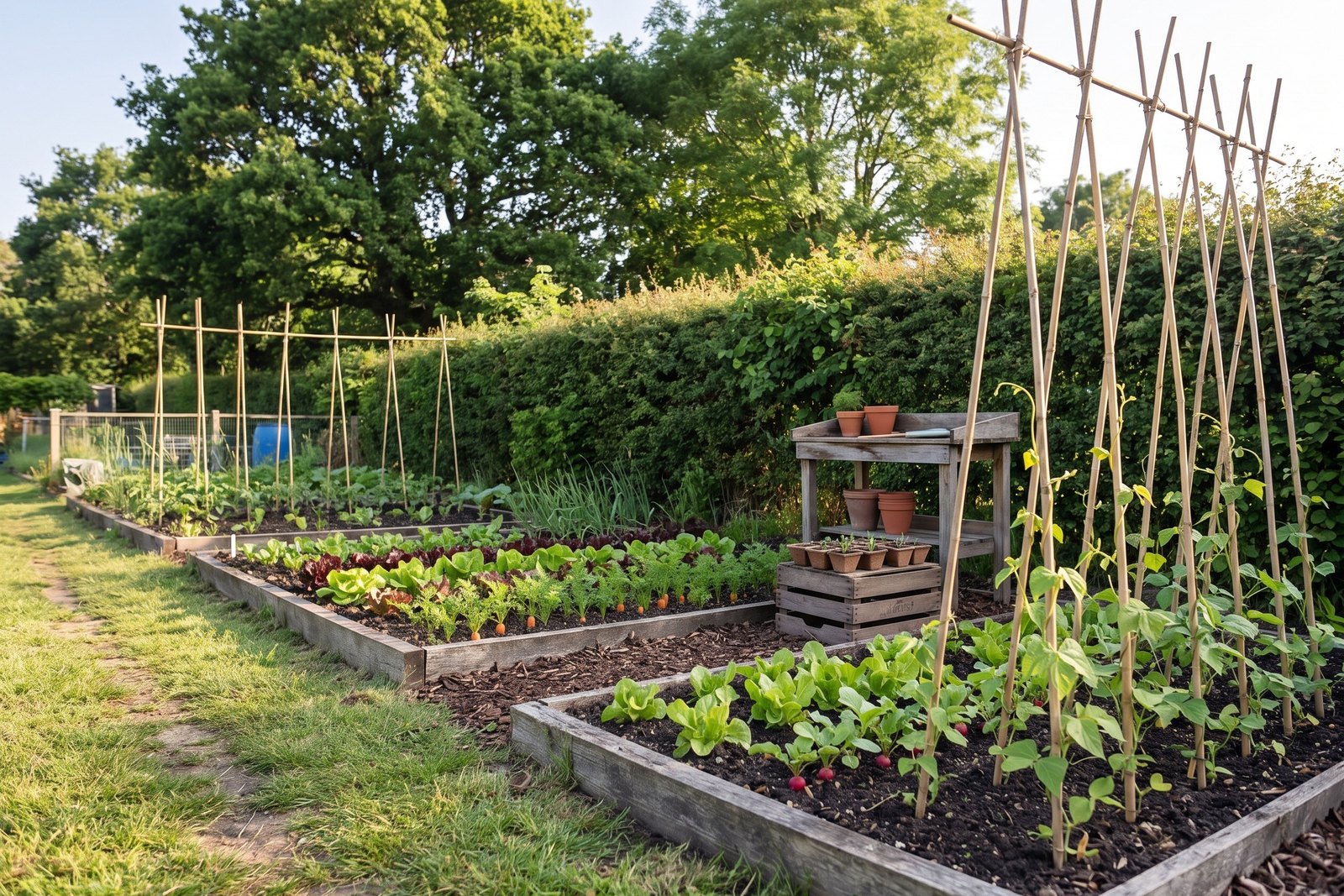
Planting an Allotment or Community Plot, Season by Season
A plot is planted by its own district's calendar, worked back from the frost dates, with permanent edges that stay while the beds turn over. This page explains reading a district's season, a planting calendar by season, the permanent plants that frame a plot and the plot rules that shape it.
Updated October 24, 2026. Plant counts and median trade prices from the live us.hortosapp.com plant and price pages on 25 October 2026; state grower counts from the hubs on 24 September 2026.
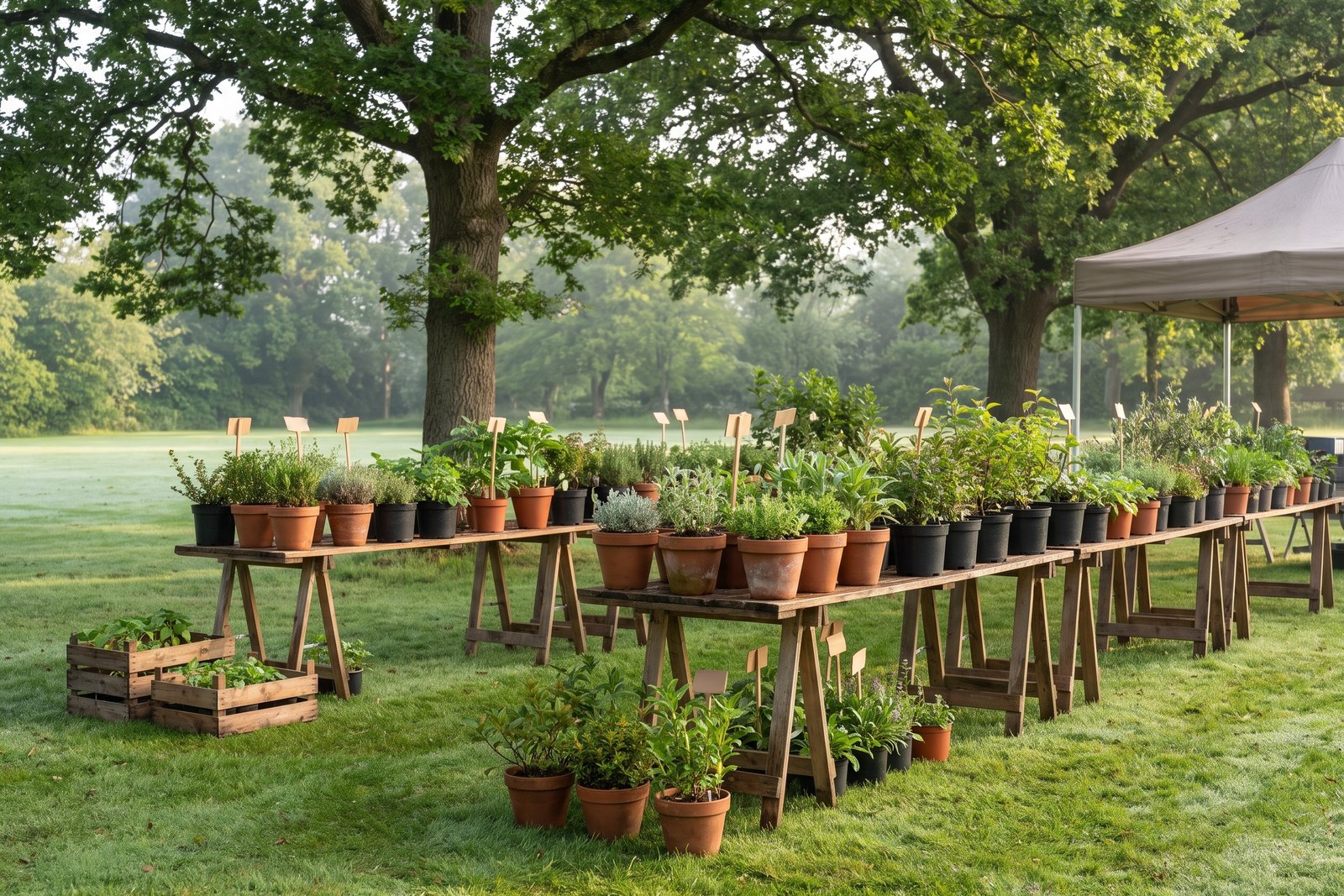
Running a Club or Society Plant Sale
A society plant sale works when member-grown stock and plants bought in from growers are planned together. This page covers the member-grown calendar, keeping members' pots healthy, filling the gaps from growers, labels and price bands, and the records that make next year's sale better.
Updated October 24, 2026. Plant counts and median trade prices from the live us.hortosapp.com plant and price pages on 25 October 2026; state grower counts from the hubs on 24 September 2026.
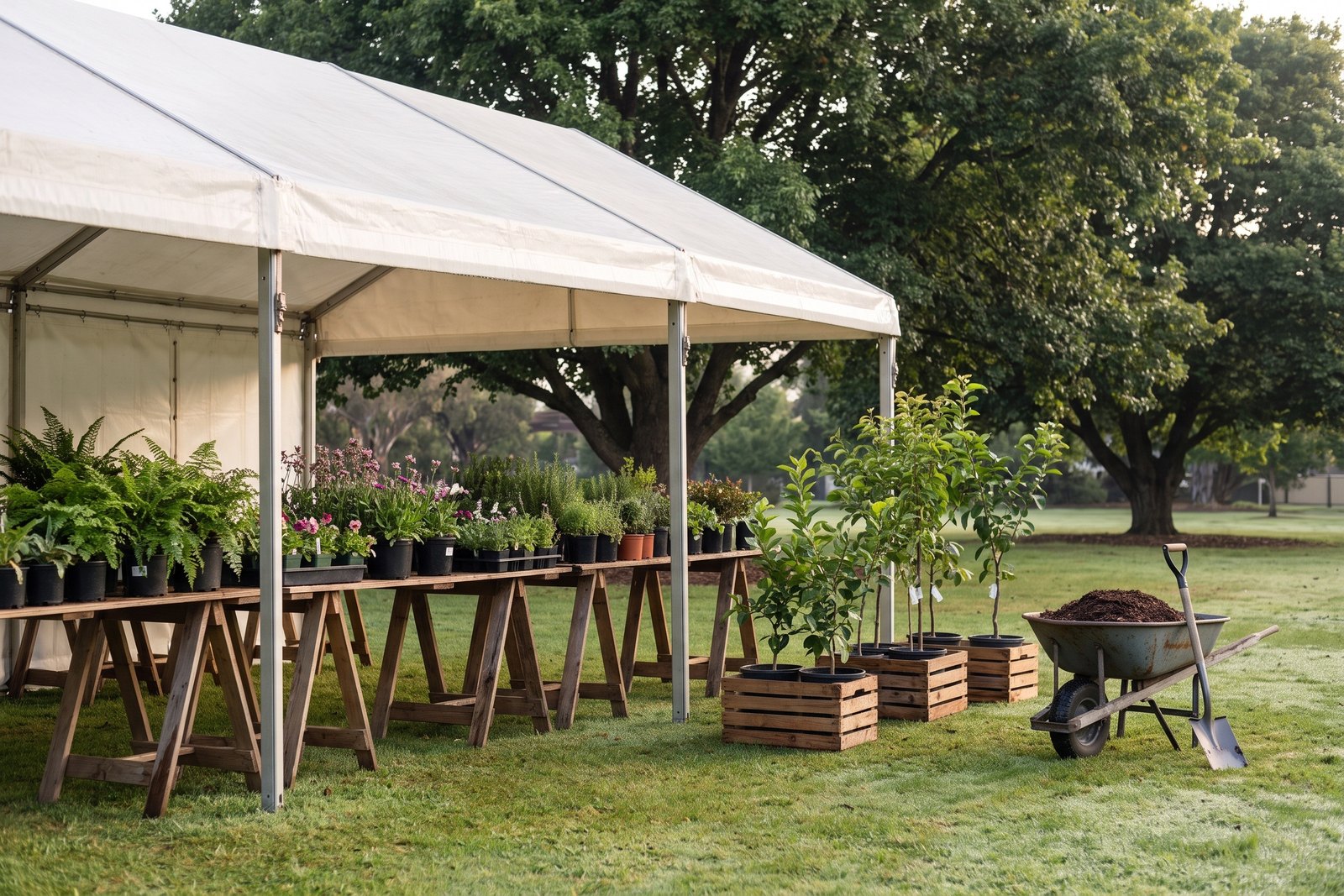
Running a Community Plant Sale or Tree Giveaway
A plant sale or a tree giveaway is a wholesale order with a date on it. This page sets out how a club, school, friends group or council plans the stock: what sells and what gives well, ordering for a date, receiving and holding the plants, the rules a sale meets, and the mistakes that send plants home unsold.
Updated October 24, 2026. Grower counts from the live us.hortosapp.com state hubs on 24 September 2026; median trade prices from the live price pages the same day, ahead of the first United States edition of the HortOS Plant Price Index.
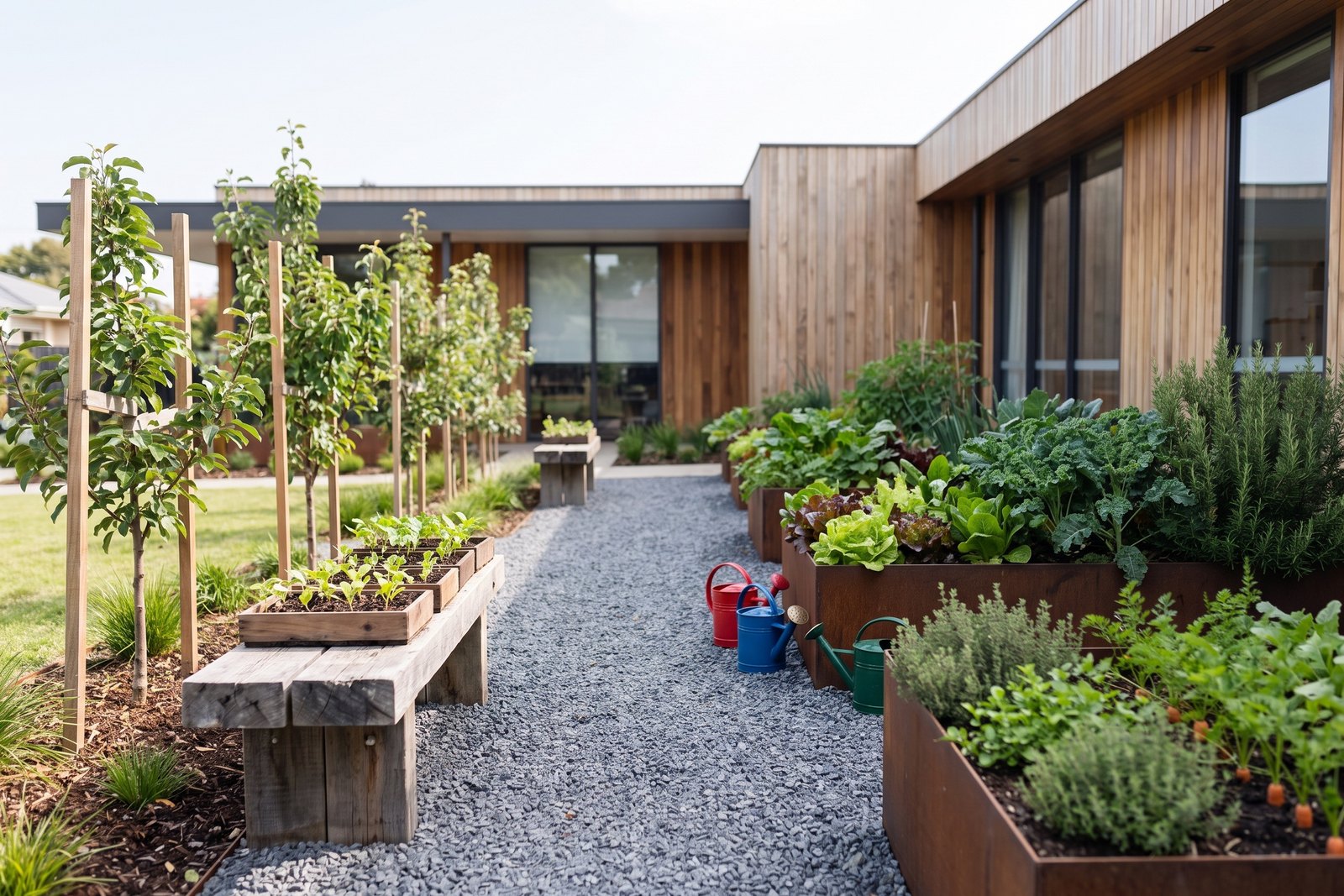
School Garden Planting and Buying for Teachers and Parent Groups
A school garden is planned around the school year, not the planting season, so its plants must survive the weeks the school is empty. This page covers planning around summer break, who buys and how, choosing hardy plants, sizes for the planting day, and the programs that help schools.
Updated October 24, 2026. Plant counts and median trade prices from the live us.hortosapp.com plant and price pages on 25 October 2026; state grower counts from the hubs on 24 September 2026.
Home life, pets and food
Infrastructure and commercial sites
Street Trees and Canopy: What Advanced Stock Costs and Who Holds It
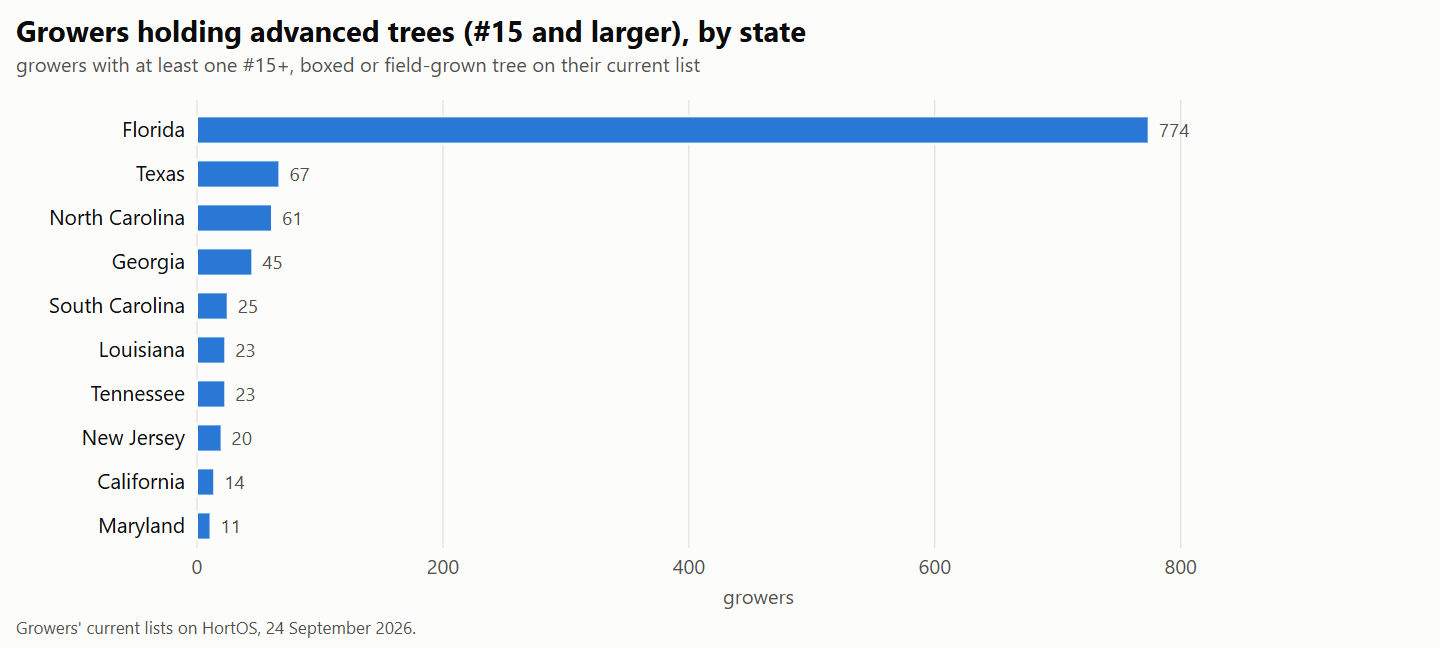
A standing reference for urban forestry programs and tree nonprofits: the trees the American trade grows for streets and parks, the nursery-gate median at #15, #30, #45 and #65 and as field grown stock, how many growers in each state hold advanced stock, why lead times run to years, and what a street tree costs against a giveaway.
Updated September 25, 2026. Figures from the live us.hortosapp.com price and plant pages on 24 September 2026 and growers' current lists compiled the same month; refreshed with the first United States edition of the HortOS Plant Price Index.
Parking lot shade tree rules and what the trees cost at trade
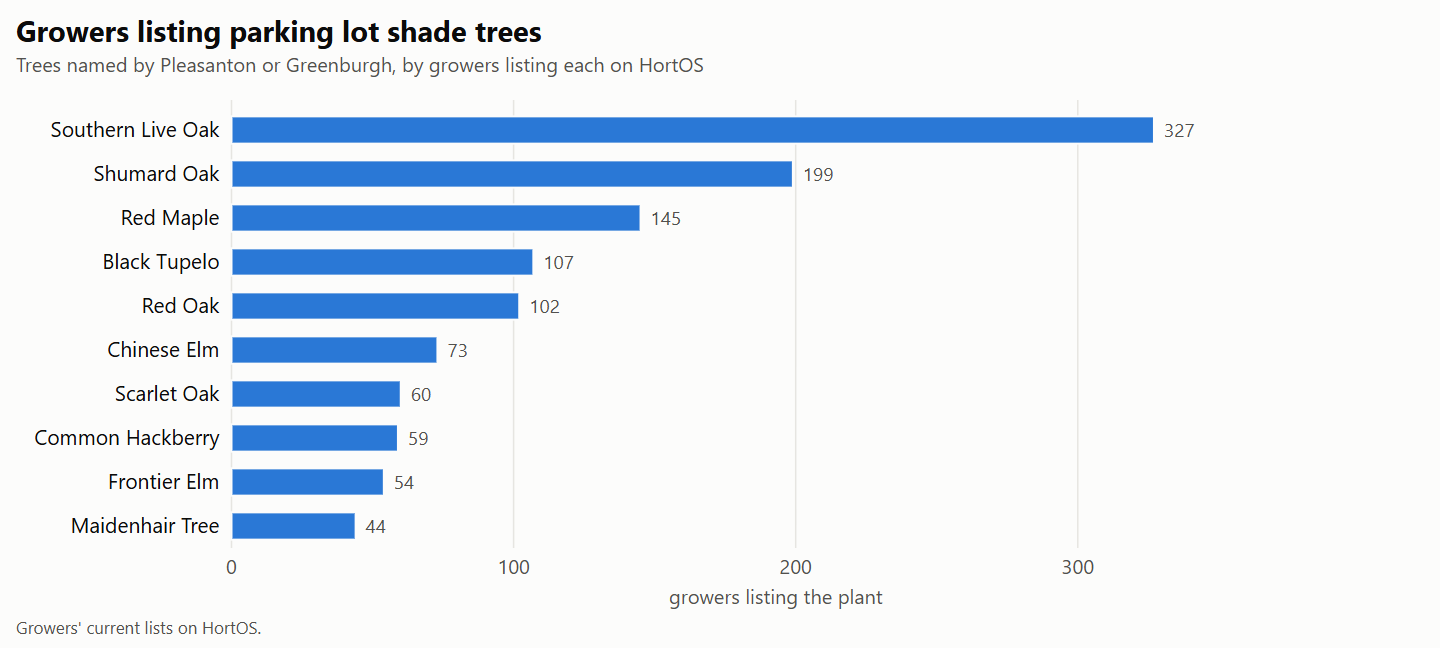
The parking lot rules read here are either a shade target or a spacing rule. This guide sets out rules from California, Pleasanton, Greenburgh, Houston, Palm Beach County and St. Johns County as their own documents state them, then shows how many growers list each shade tree named by Pleasanton or Greenburgh and its trade median in a #15 container.
Updated September 19, 2026. Figures are what the live us.hortosapp.com price and plant pages printed.
Converting golf, campus and HOA common area turf to grasses
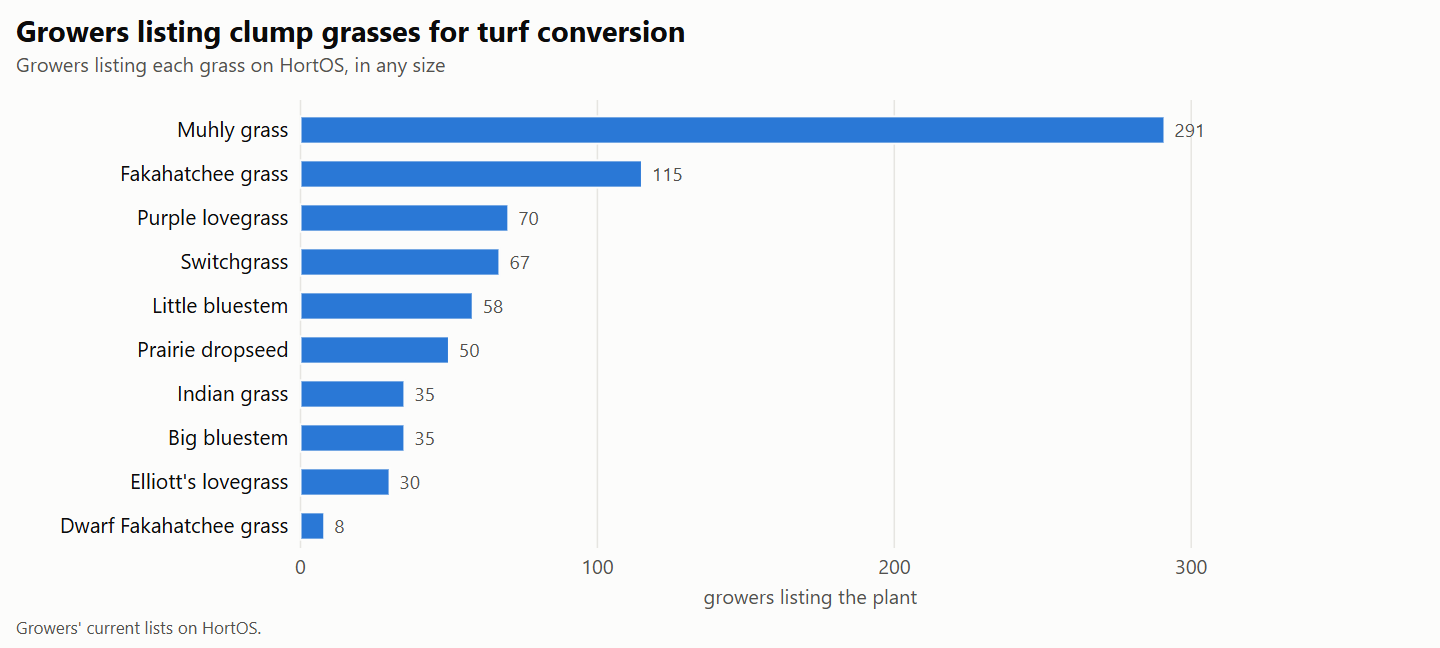
For association managers, campus facility managers and golf superintendents. It reports what two Florida Statutes sections and UF/IFAS and Penn State Extension say about turf, associations and establishing grasses, and adds the growers listing clump grasses with the container median where three growers price a size.
Updated September 11, 2026. Figures are what the live us.hortosapp.com price and plant pages printed.
Data and reference pages
What Plants Cost at the Nursery in 2026
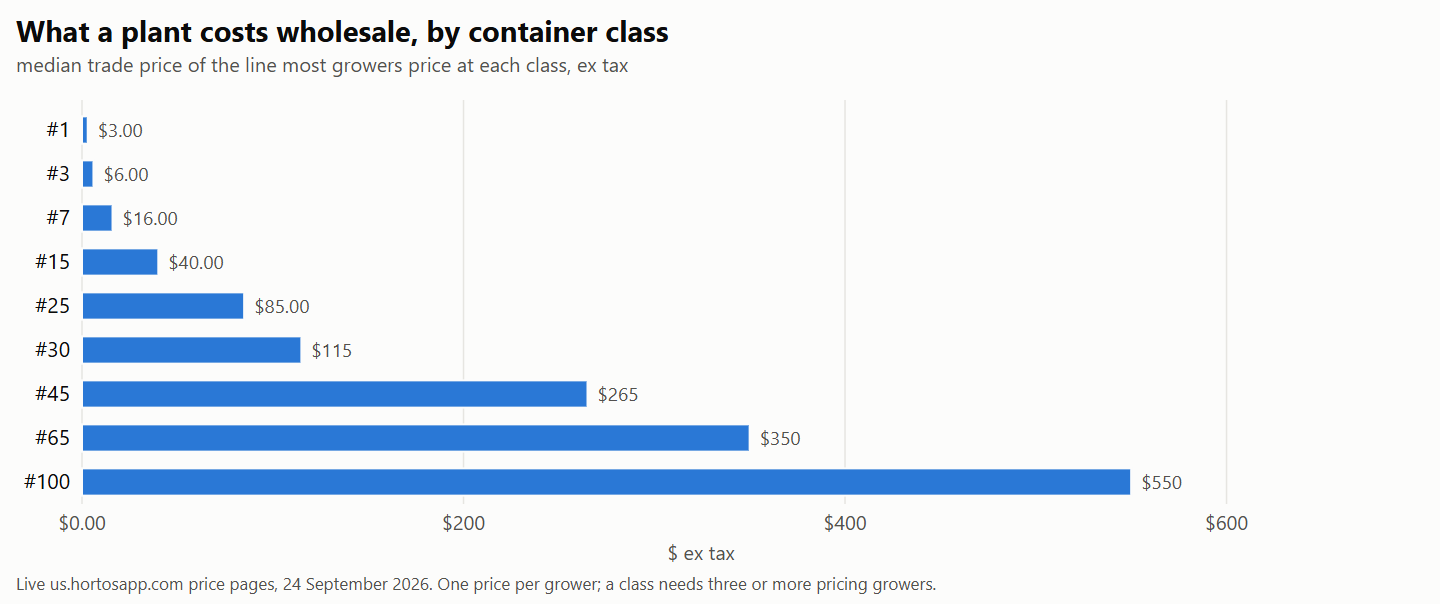
The general reference behind every article on what a landscape costs: the median trade price ex tax of the line most growers price at each container class from #1 to #100, the spread across growers, the difference between states, what a nursery-gate price leaves out, and worked figures for a planting, a street tree order and a giveaway.
Updated September 25, 2026. Figures from the live us.hortosapp.com price pages on 24 September 2026; refreshed with the first United States edition of the HortOS Plant Price Index.
Nursery Industry Statistics 2026, and How to Cite HortOS
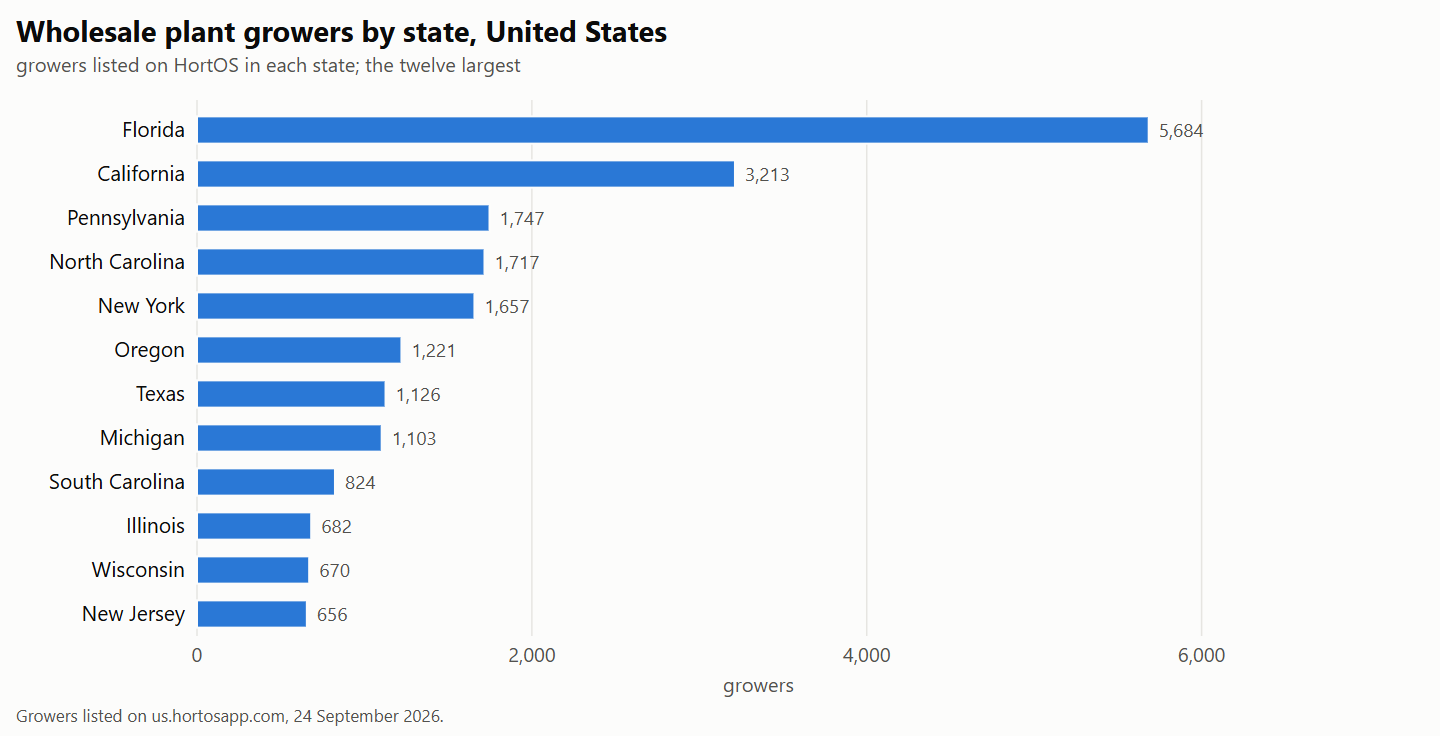
The two kinds of nursery industry number, the government's census and the live supply picture, for the United States: the USDA's 2024 census figures, growers listed on HortOS by state and city, the plants listed by the most growers, the trade price ladder by class, and how to cite HortOS now and the Index when it publishes.
Updated September 25, 2026. Figures from the live us.hortosapp.com pages on 24 September 2026 and the USDA's 2024 Census of Horticultural Specialties (released 26 February 2026); refreshed with the first United States edition of the HortOS Plant Price Index.
United States regions
Florida's HOA landscaping law and the plants the state program lists
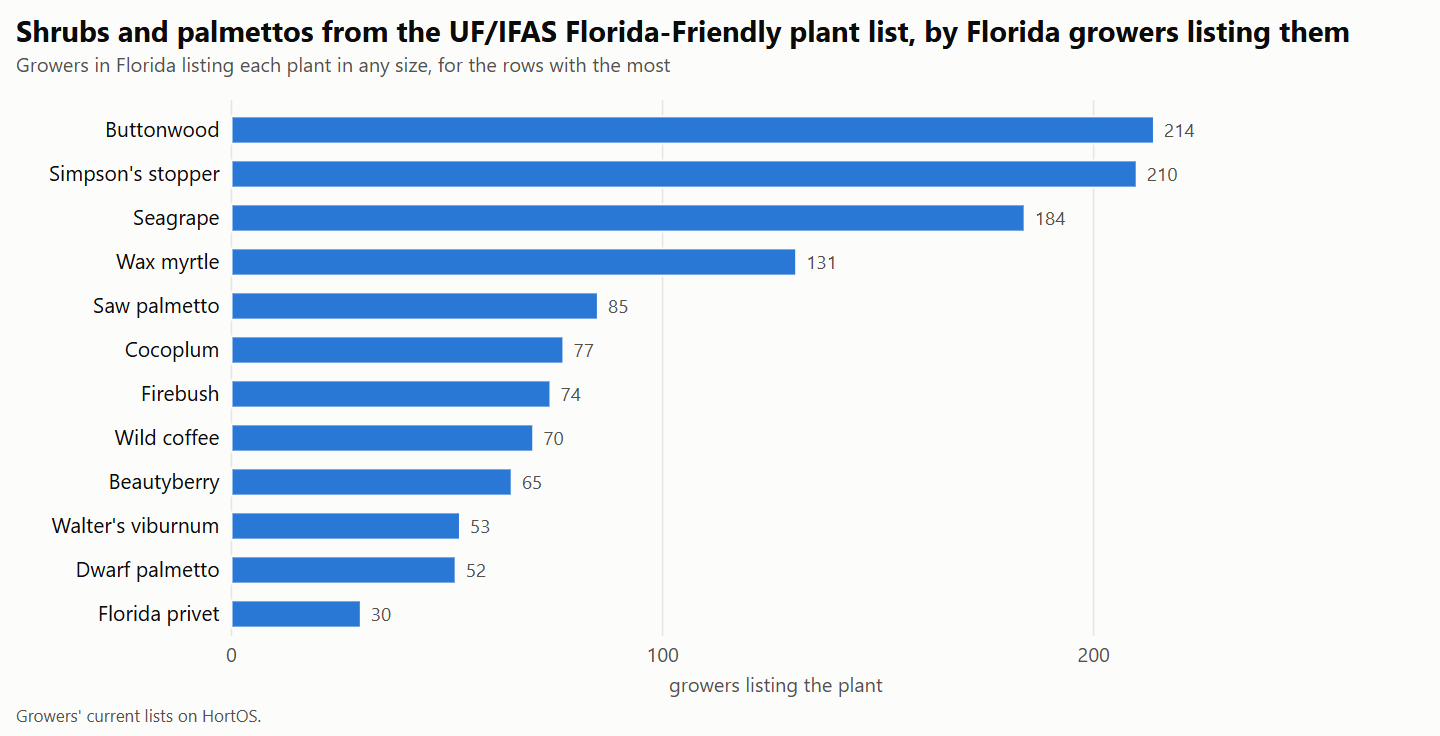
What two sections of the Florida Statutes say about homeowners' association covenants and Florida-friendly landscaping, what they leave with the association, and who decides a dispute. Two tables follow: groundcovers, grasses and shrubs from the UF/IFAS program's plant list, the Florida growers listing each, and a trade median for each at the container size most growers price.
Updated October 13, 2026. Figures are what the live us.hortosapp.com price and plant pages printed.
Native plants for Chesapeake Bay conservation landscaping
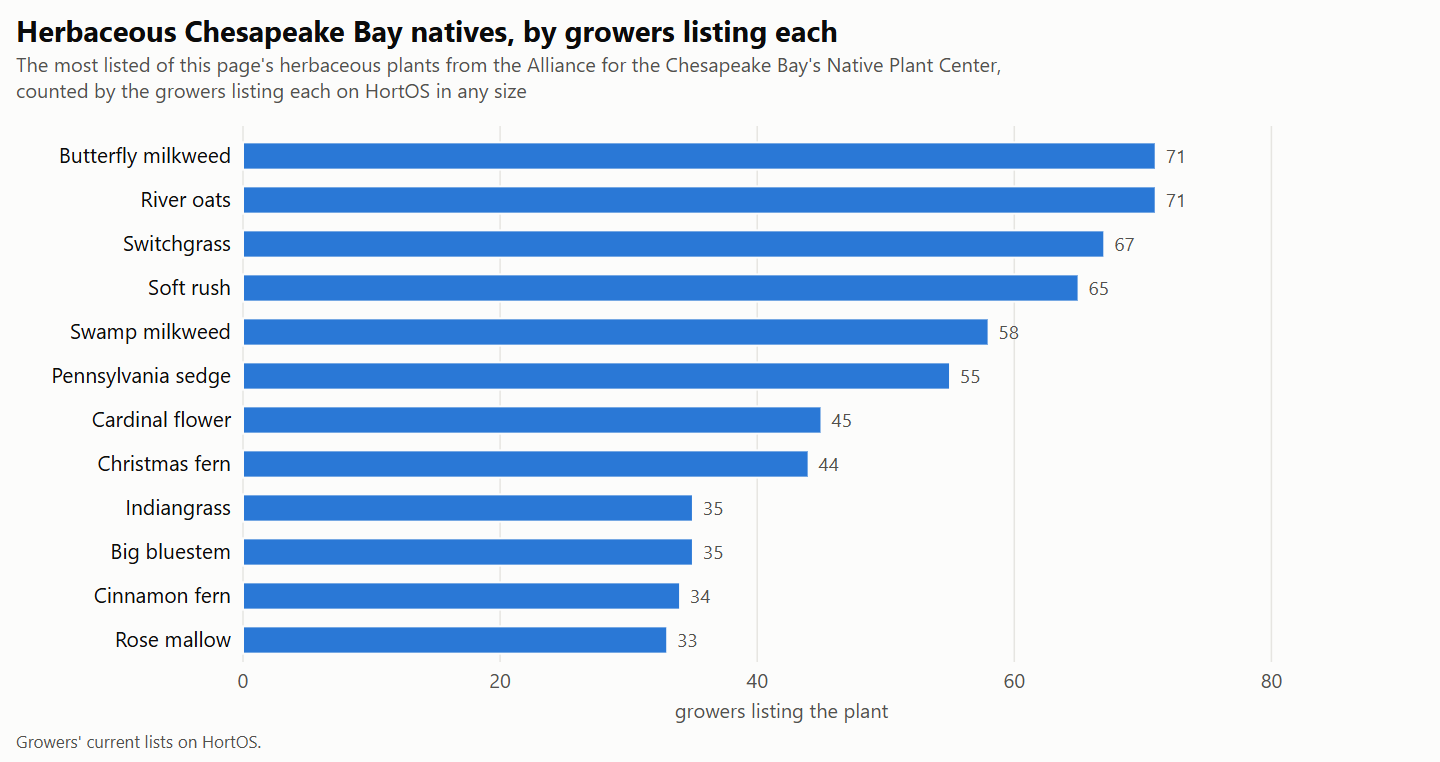
The U.S. Fish and Wildlife Service's 2003 guide classes the Chesapeake Bay natives it holds by light, soil moisture, region and state. This page sets plants from the Alliance for the Chesapeake Bay's database beside how many growers list each and a median trade price, and reports what the watershed's authorities and a 2023 Maryland law say about cultivars.
Updated October 14, 2026. Figures are what the live us.hortosapp.com price and plant pages printed.
Hemlock woolly adelgid and evergreens that replace a hemlock screen
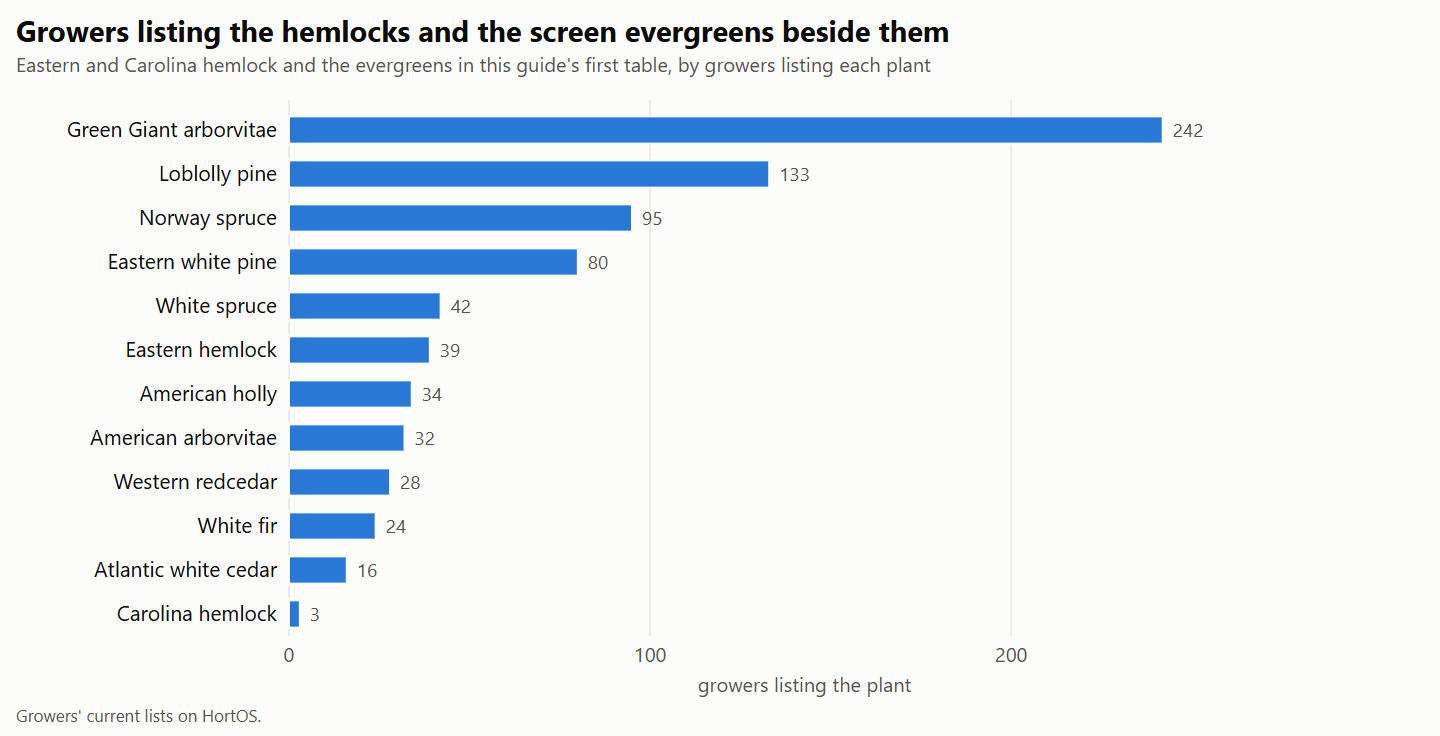
For homeowners, watershed groups and arborists facing a hemlock screen with woolly adelgid. It reports what the USDA Forest Service, Penn State Extension and Pennsylvania's conservation department say on treating or replanting, and what Maine and Wisconsin say on moving hemlock. It adds NC State Extension's light classes, growers listing each evergreen by state, and container medians for named selections.
Updated October 7, 2026. Figures are what the live us.hortosapp.com price and plant pages printed.
Longleaf pine for restoration and the trade price of container trees
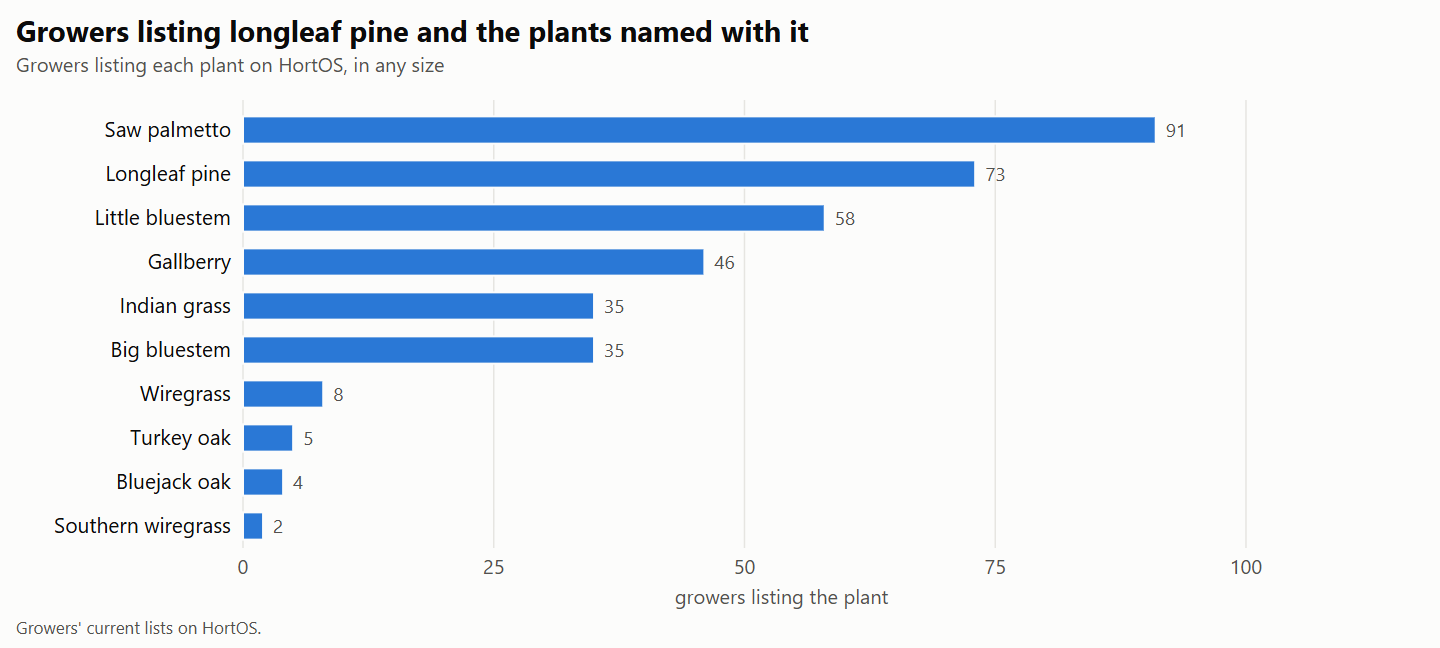
Longleaf pine is sold as a forestry seedling and as a container tree. This guide sets out what restoration bodies, NRCS and four state extension services say about seedlings, planting seasons and funding dates, and gives the median trade price of longleaf by container size, with the grasses, oaks and shrubs the sources name with it.
Updated October 14, 2026. Figures are what the live us.hortosapp.com price and plant pages printed.
Maryland's 5 Million Trees goal and trade prices for recommended trees
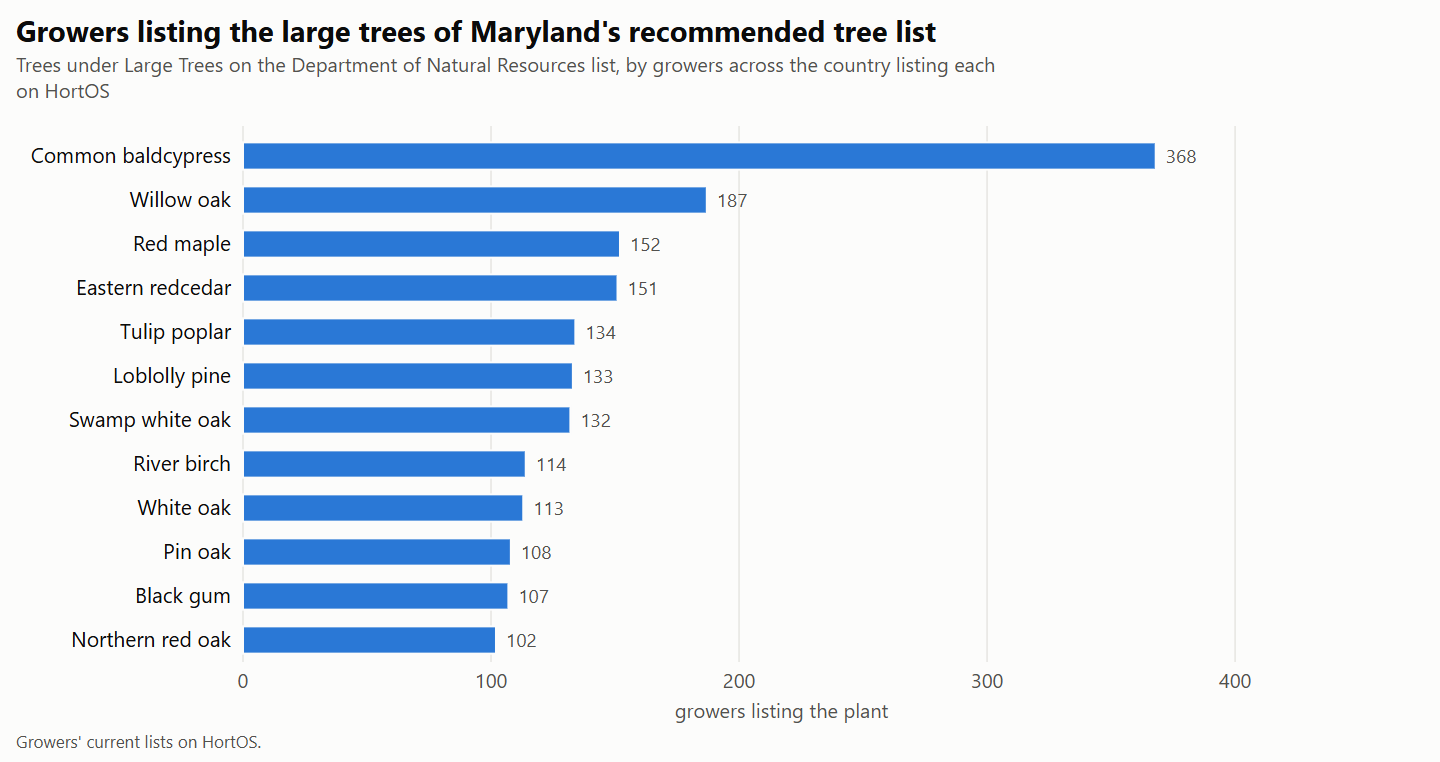
Sets out Maryland's 5 Million Trees goal as the 2021 statute words it and the counting tests the Department of Natural Resources published in March 2026. Two tables set the trees on the Department's recommended list beside the growers listing each on HortOS and a median trade price. Two more count them for Maryland and compile the tree programs.
Updated October 9, 2026. Figures are what the live us.hortosapp.com price and plant pages printed.
Southeast and Chesapeake yard certification with trade plant prices
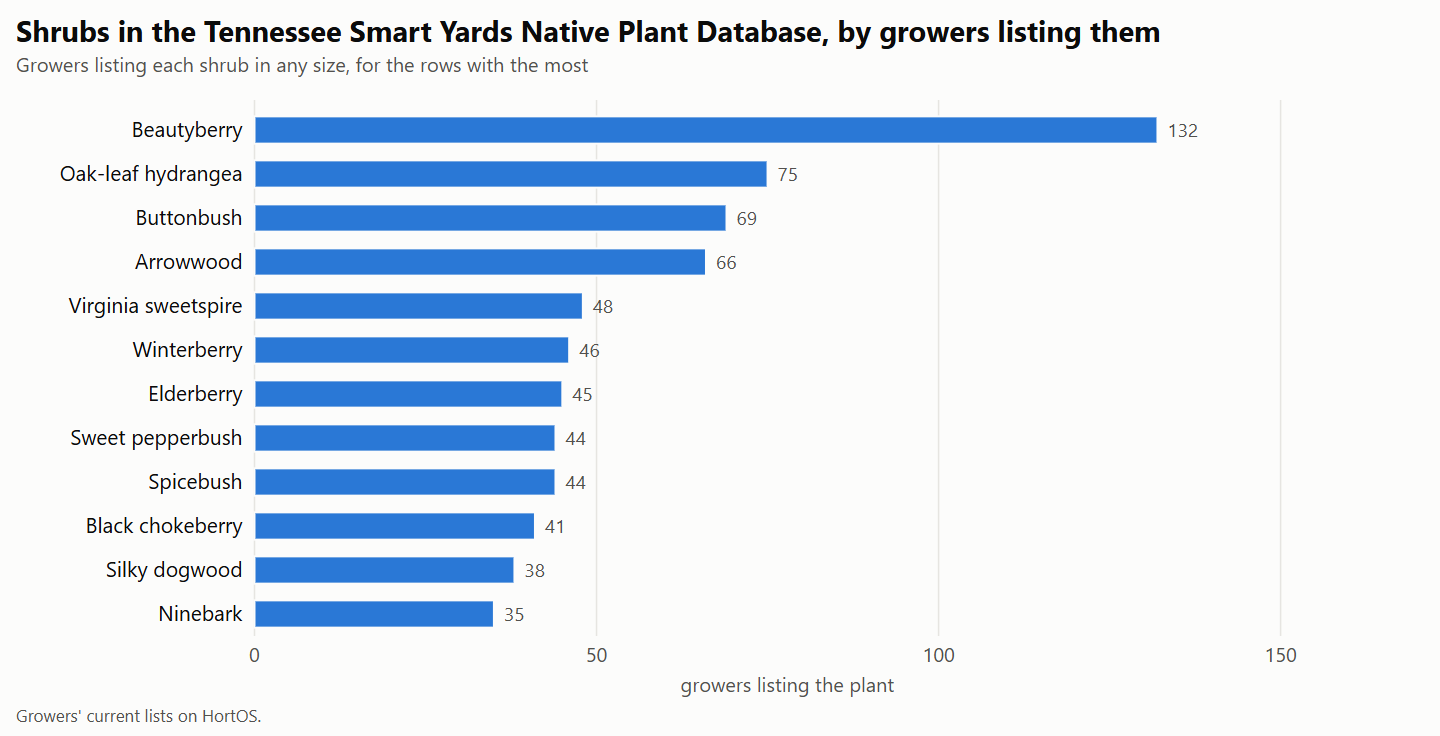
How five extension programs certify a yard, each from its own pages: Tennessee Smart Yards, Carolina Yards, Georgia Green Landscape Stewards, Maryland's Bay-Wise and Watershed-Friendly PA. Three tables then set plants from the Tennessee program's native plant database and from University of Maryland Extension's recommended native list against the growers listing each, with a trade median.
Updated September 7, 2026. Figures are what the live us.hortosapp.com price and plant pages printed.
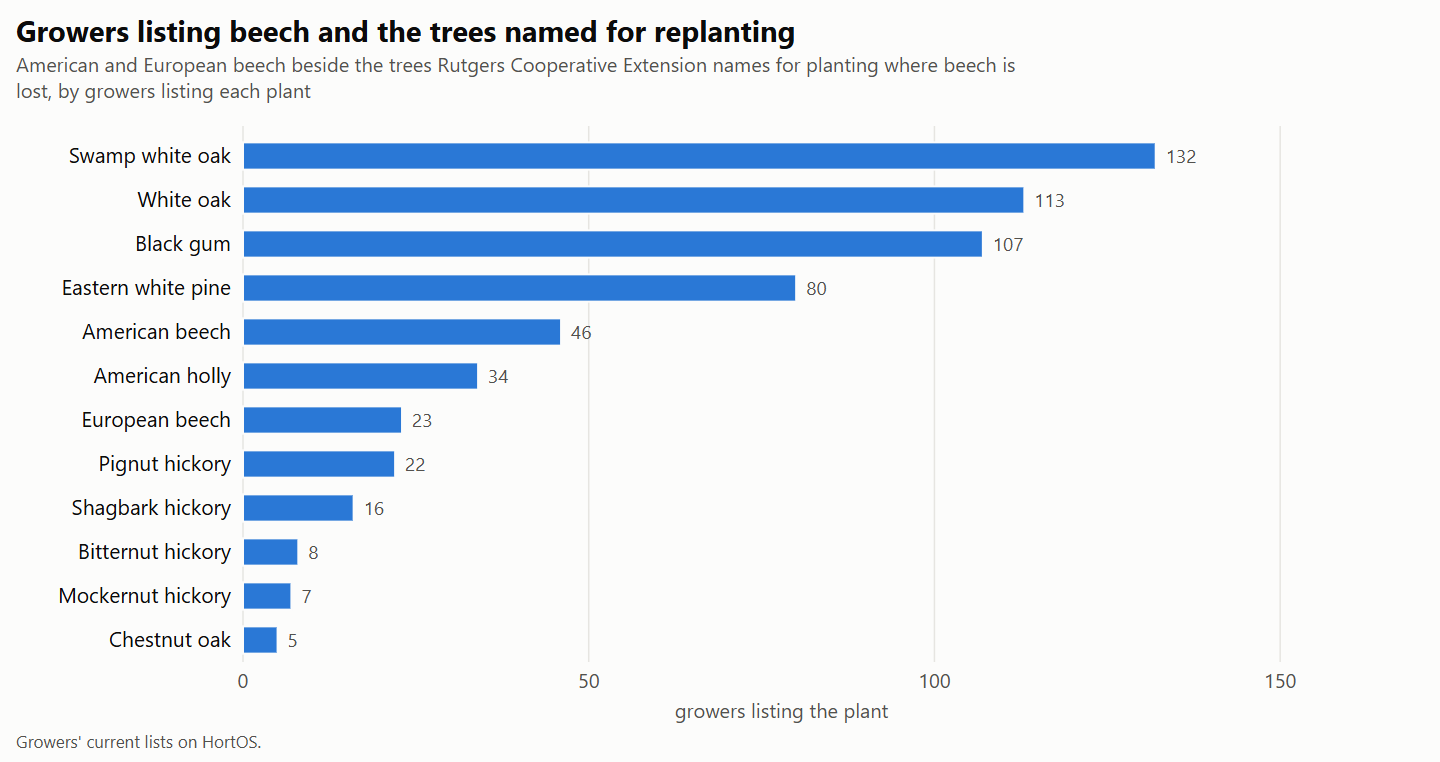
Beech leaf disease and the trees planted where beech is lost
For urban foresters and land trusts in the Northeast, Ohio and Michigan. It reports what Penn State Extension and state agencies say about beech leaf disease, sets out the trees Rutgers Cooperative Extension and the Scott Arboretum name for replanting, and adds the growers listing each tree, with a container median where three growers price a size.
Updated October 21, 2026. Figures are what the live us.hortosapp.com price and plant pages printed.
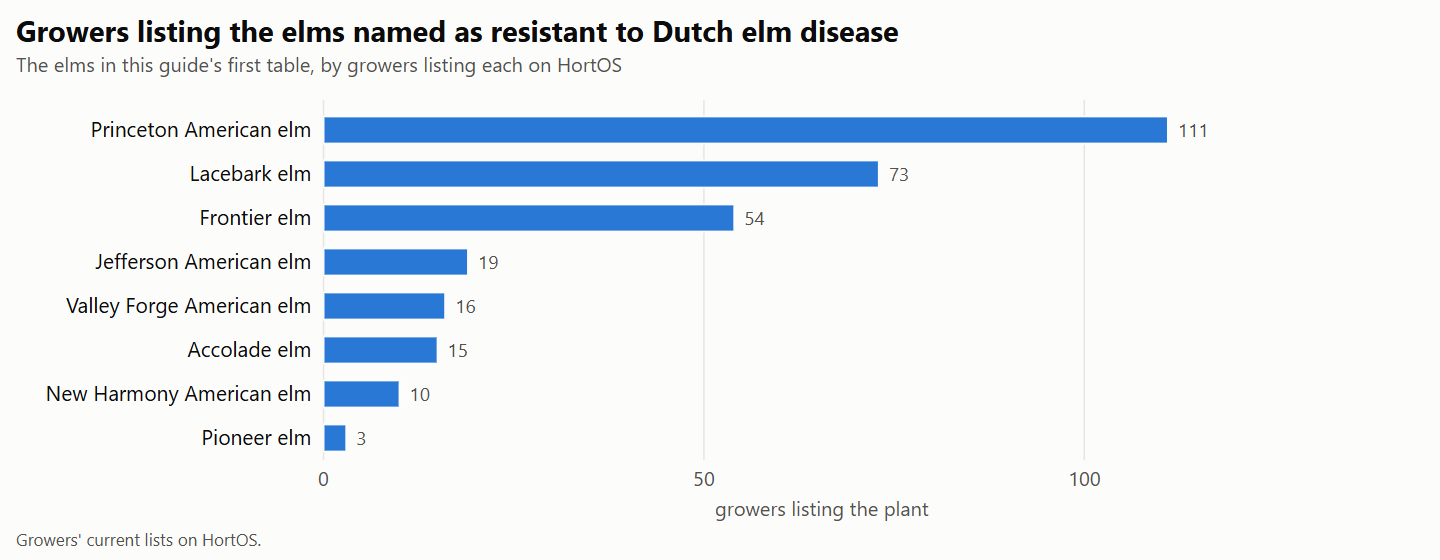
Dutch elm disease resistant elms and the growers that list them
For city foresters, shade tree committees and arborists choosing elms. It sets the American elm selections, hybrids and lacebark elm that universities and federal agencies name as resistant beside the growers listing each, with national trade medians. It reports how each fared in the National Elm Trial, one caution on record for each, and why resistance is not immunity.
Updated September 17, 2026. Figures are what the live us.hortosapp.com price and plant pages printed.
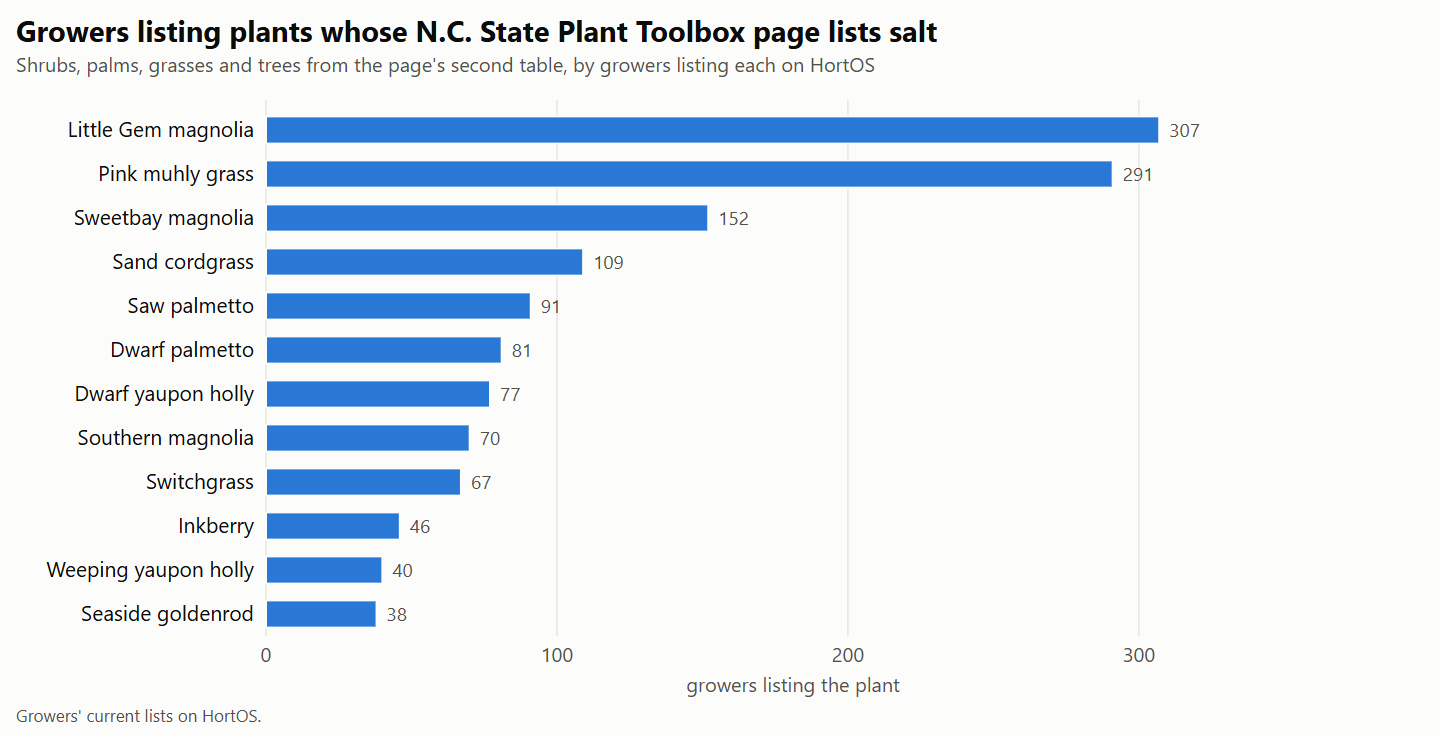
Salt ratings and tidal flooding on the Lowcountry and Gulf coast
For yards and streets from the Carolina Lowcountry to the Gulf: the University of Georgia's salt ratings for native trees and N.C. State's salt and wet soil entries for shrubs, palms and grasses, beside the growers listing each plant on HortOS. The page says where the two universities differ and which coasts their ratings speak for.
Updated October 16, 2026. Figures are what the live us.hortosapp.com price and plant pages printed.
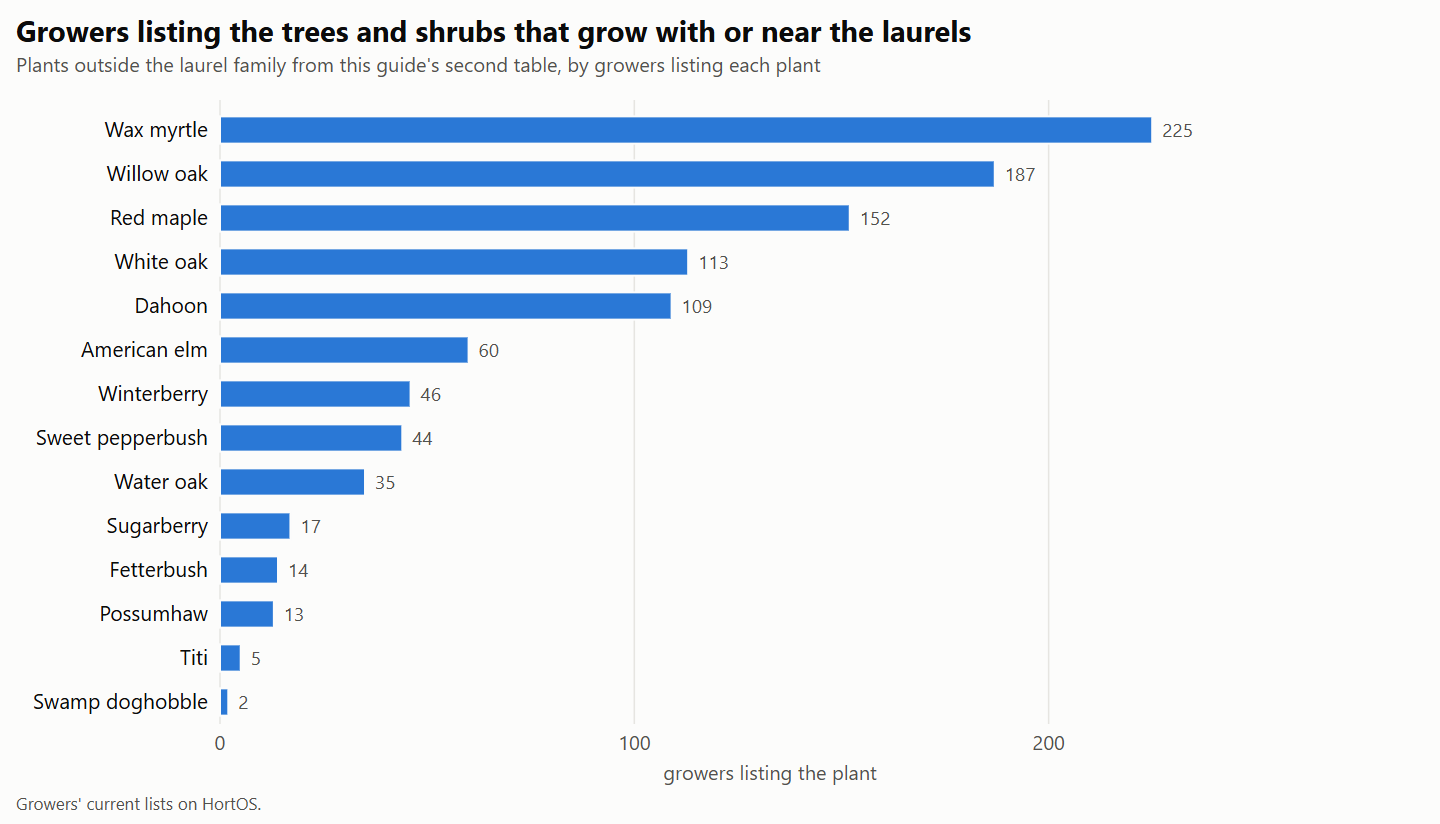
Laurel wilt and replanting where redbay, sassafras or spicebush died
For native plant societies, butterfly groups and coastal tree programs where laurel wilt has killed redbay, sassafras or spicebush. It reports which plants the N.C. Forest Service and UF/IFAS Extension list as susceptible and not, what they say on replanting and moving host material, and dated reports from ten states, beside growers listing each plant and container medians.
Updated October 7, 2026. Figures are what the live us.hortosapp.com price and plant pages printed.
Crape myrtle bark scale and the small flowering trees growers list
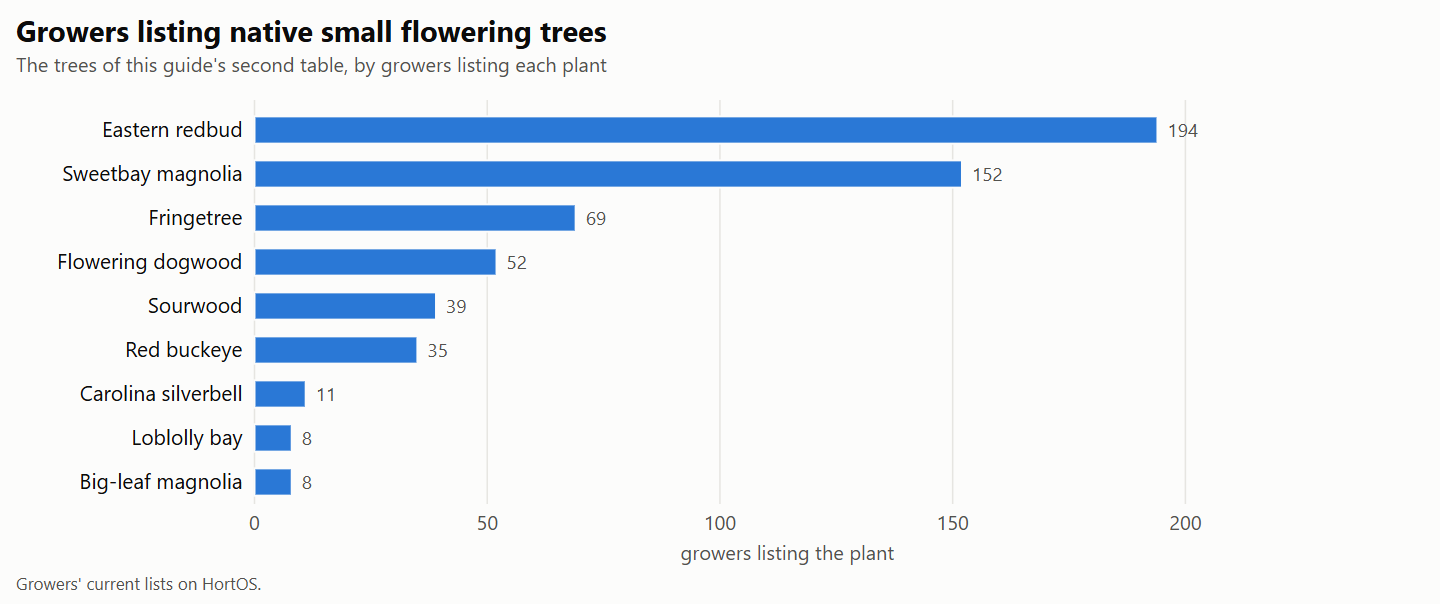
For city foresters, HOA boards and property managers in the Southeast with bark scale on their crape myrtles. It reports what the University of Arkansas, Texas A&M AgriLife Extension and the Crapemyrtle Bark Scale Team say about the insect, then shows the crape myrtle cultivars and native small flowering trees growers list, with container medians.
Updated October 8, 2026. Figures are what the live us.hortosapp.com price and plant pages printed.
Four state forest nursery seedling programs and what growers list
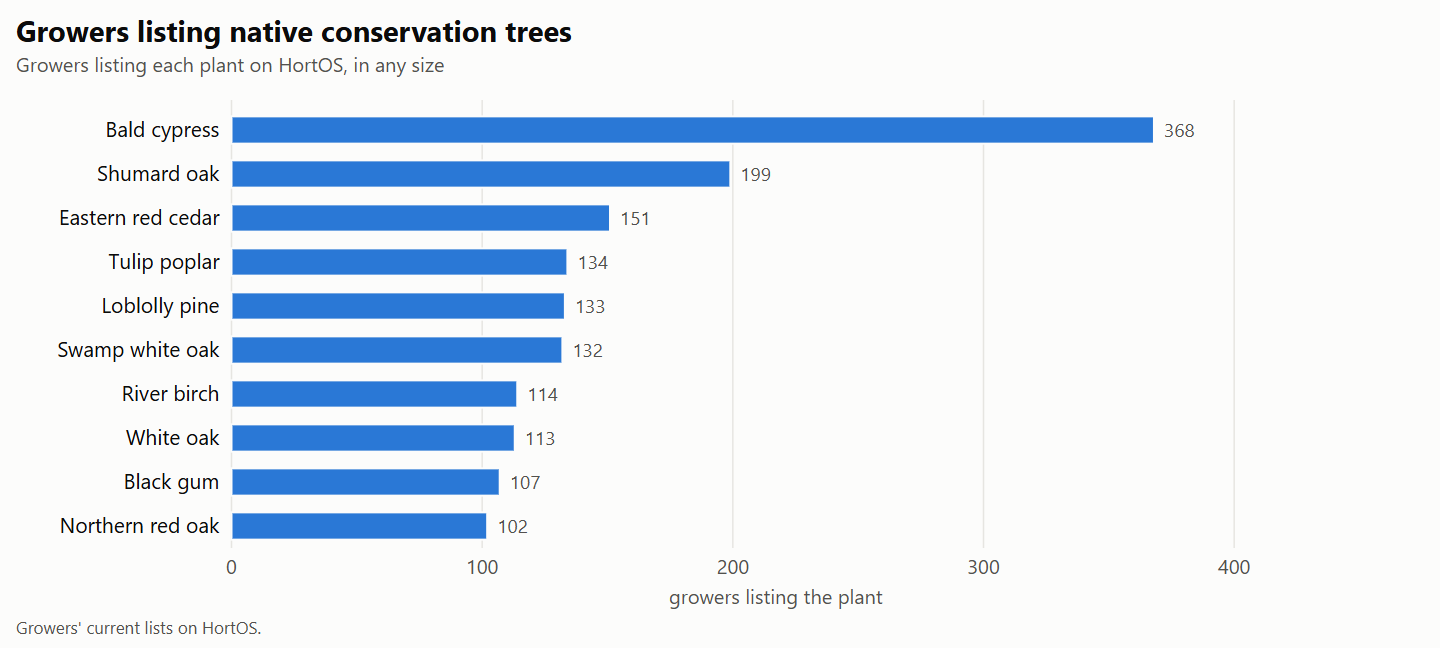
A guide to four state forest nursery seedling programs, in Indiana, Iowa, Kentucky and Colorado, with the USDA Forest Service's national picture: who may buy, what the trees may be used for, when orders open, and the trade prices growers list for native conservation trees and shrubs.
Updated October 4, 2026. Figures are what the live us.hortosapp.com price and plant pages printed.